
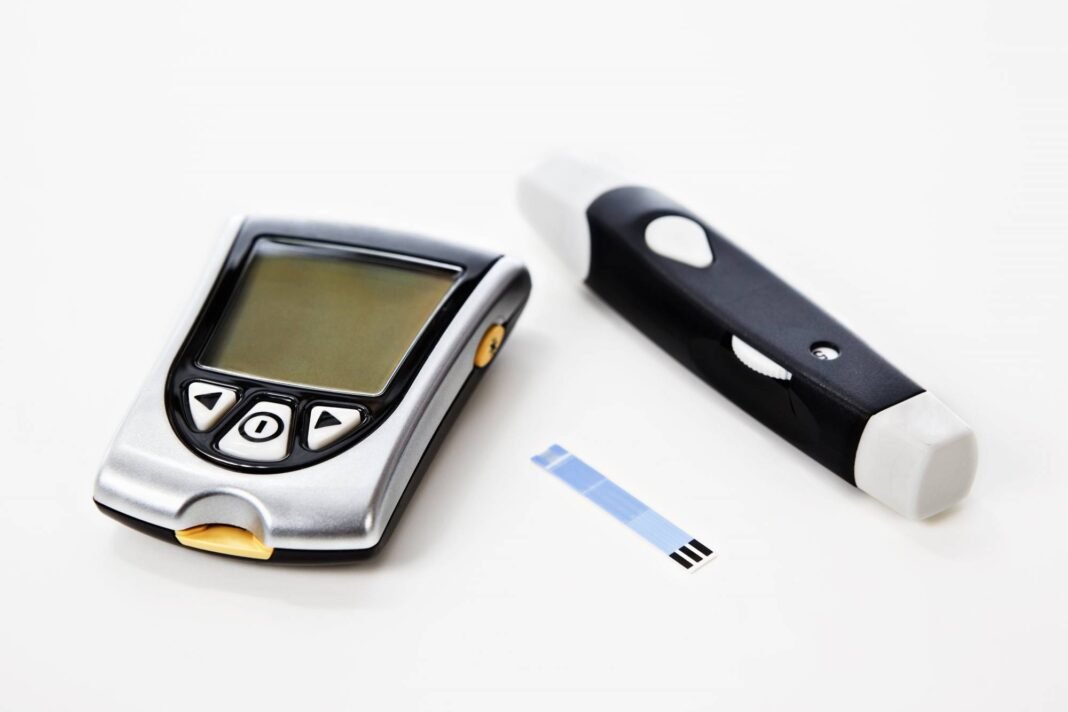


Wearable glucose monitors deliver meaningful benefits to people with type 2 diabetes who do not use insulin, a landmark clinical trial has found, potentially rewriting the standard of care for one of the largest groups of diabetes patients. Until now, the devices have been recommended only for patients receiving insulin.
The results of the CONNECT trial, sponsored by device manufacturer Dexcom and published in The New England Journal of Medicine, showed that participants using the Dexcom G7 continuous glucose monitor achieved an average 1.6 per cent reduction in A1C, a measure of average blood sugar over time, from a mean baseline of 8.8 per cent. That was a 0.9 per cent greater reduction than routine care. It marks the first time in nearly two decades that the journal has published clinical data on standalone real-time glucose monitoring technology.
How the glucose monitors trial was run
The six-month randomised controlled trial enrolled 283 adults with type 2 diabetes who were not using insulin. Participants received either continuous glucose monitoring with the Dexcom G7, a coin-sized plastic disc worn on the upper arm, or routine care. The average haemoglobin A1c fell from 8.8 per cent to 7.2 per cent in the monitoring group, compared with 8.7 per cent to 8.0 per cent in the routine-care group. After accounting for individual risk factors, Dexcom G7 users had a nearly 1 per cent greater reduction in HbA1c than patients getting routine care.
Participants using the wearable device also spent approximately five additional hours per day in the glucose target range of 70 to 180 milligrams per decilitre compared with those receiving routine care. When the study ended, 97 per cent of participants were still using the glucose monitors, most on a daily basis, the researchers noted. The devices required no finger-stick calibration, a feature researchers say helped adherence, and participants received brief training on interpreting the real-time readings and on how meals, activity and medication affected their glucose curves.
Who benefits from glucose monitors
Crucially, the benefit was seen regardless of age, sex, race and ethnicity, body mass index, income, education, health insurance and use of glucose-lowering medications. Among participants using GLP-1 therapies, wearing the Dexcom G7 resulted in an additional 0.9 per cent A1C reduction compared with routine care. The findings support the role of glucose monitors much earlier in type 2 diabetes care for all people, including those over the age of 65.
“The consistency of benefit across a broad range of people and treatment regimens supports consideration of the use of a continuous glucose monitor much earlier in type 2 diabetes management before insulin is needed,” said study leader Dr Roy Beck of the Jaeb Center for Health Research in Tampa, Florida.
What the glucose monitors results mean for care
“Publication of CONNECT in The New England Journal of Medicine represents a significant moment for the CGM category,” said Jake Leach, president and chief executive of Dexcom. “We now have compelling evidence demonstrating the impact this technology can have for the millions of people with type 2 diabetes who are not using insulin.”
Dexcom is calling on physicians, payers and healthcare leaders to recognise the impact of glucose monitors for this population. Cost remains the biggest barrier to wider use: most U.S. insurers cover the devices for people on insulin, but coverage for those managing type 2 diabetes with oral drugs or GLP-1s is inconsistent. Diabetes advocates say the CONNECT results strengthen the case for payers to broaden access to glucose monitors, arguing that earlier intervention could prevent expensive complications such as kidney failure, vision loss and amputations, which drive much of the long-term cost of poorly controlled diabetes. Whether insurers expand coverage beyond insulin users will determine how many of the millions of eligible patients actually get the devices. But the trial provides the strongest evidence yet that real-time visibility into blood sugar helps people manage type 2 diabetes long before insulin enters the picture.