
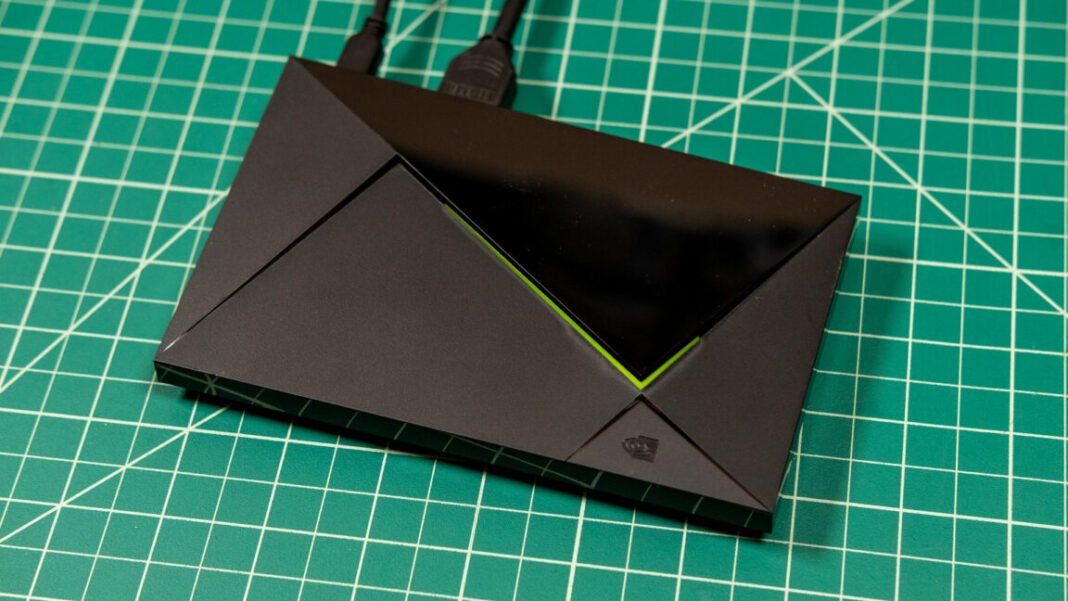


The 7-year-old Nvidia Shield has unexpectedly jumped by $100 in price across the United States, sparking intense discussions within the Science & Tech sector.
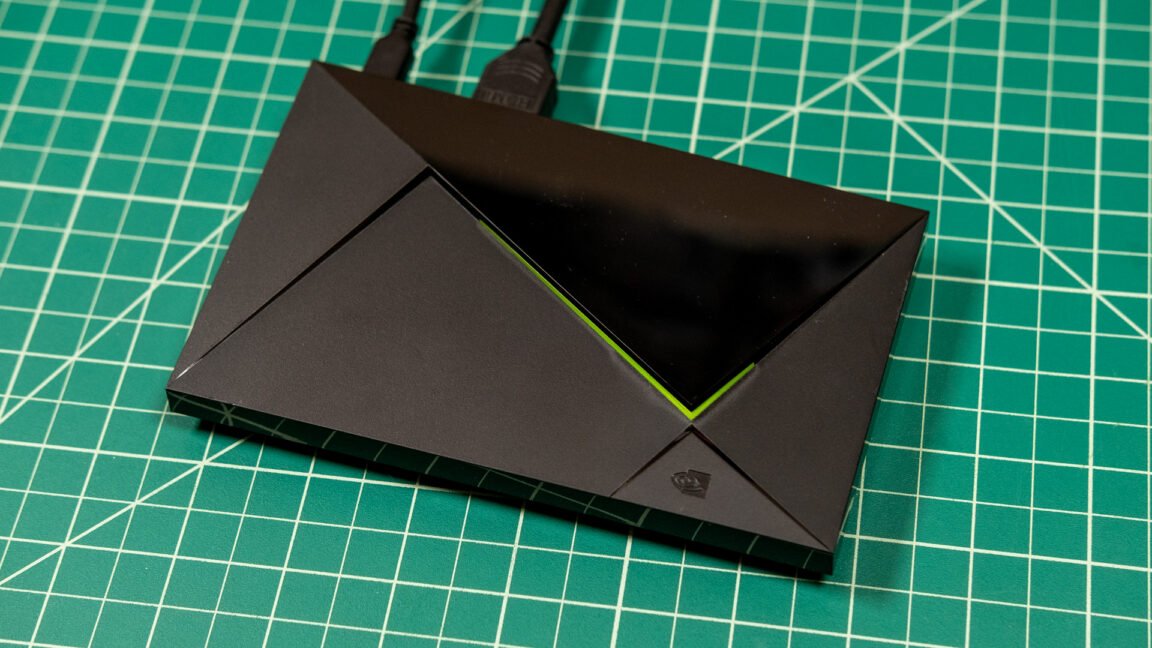
Nvidia implemented this dramatic cost adjustment due to surging memory components driven by global AI manufacturing demands. Consumers across the United States are now facing unprecedented hardware valuations for aging consumer electronics.
This pricing shift highlights how booming artificial intelligence infrastructure demands are directly impacting legacy consumer hardware markets. Memory components traditionally used in streaming devices are now competing directly with massive server-grade deployments.
As component scarcity deepens, manufacturers are forced to pass these extraordinary expenses directly down to everyday retail buyers.
Industry analysts note that the hardware landscape has transformed drastically since the device debuted. Memory supply chains remain entirely constrained by massive corporate infrastructure orders.
Key changes announced by the hardware manufacturer include:
- Discontinuation of the standard streaming variant.
- A 50% price increase on the remaining hardware tier.
- The premium streaming device now retails at $299.
The 7-year-old Nvidia Shield Pricing Breakdown
The 7-year-old Nvidia Shield Pro now costs $299, representing a massive fifty percent markup from its previous retail baseline. Market researchers point directly to skyrocketing DRAM expenses as the primary catalyst for this unexpected retail adjustment.
Tech analysts express surprise that legacy hardware is experiencing such aggressive valuation shifts years after initial market deployment. Supply chain pressures continue to alter how tech corporations price aging inventory.
Consumers looking to purchase replacement units must now budget significantly more cash for the Android TV box. Retail channels have already begun updating their inventory systems to reflect the new corporate pricing standards.
Market observers will closely monitor upcoming quarterly earnings reports to see if other hardware manufacturers follow similar pricing models. Component shortages show no immediate sign of easing as data center construction continues at a record pace worldwide.
Future availability remains uncertain as component costs continue to fluctuate across global manufacturing hubs. Industry participants anticipate further adjustments if memory constraints persist throughout the upcoming manufacturing cycles.
Background and next steps
The 7-year-old Nvidia Shield TV is now $100 more expensive due to AI arstechnica.comNVIDIA Axes The Standard Shield TV And Hikes Shield TV Pro By $100 To $299, Blaming Rising DRAM Costs WccftechNvidia Shield TV Pro is now $299 – a $100 price hike seven years after the Android TV box launched 9to5GoogleThe Nvidia Shield Pro is getting a 50% price hike due to the AI component crisis — I sure hope Nvidia can work out who’s responsible for this TechRadarNvidia Is Killing Its Beloved Shield TV Because It Had Too Much Memory Gizmodo
The story remains in motion, and readers should watch for official updates as more facts are confirmed.
Public interest is likely to stay high while new details emerge from reporters and officials.
Early claims should be treated cautiously until primary sources corroborate them.
Coverage of The 7-year-old Nvidia Shield continues to evolve as more details become available.