
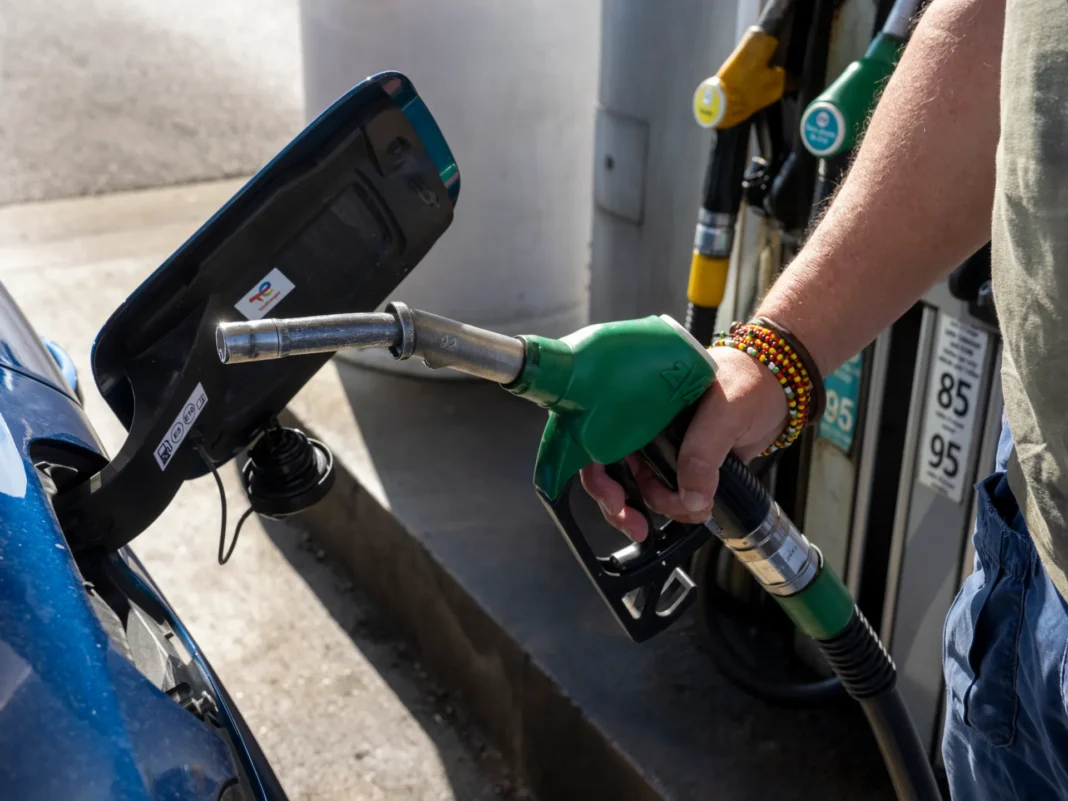


G7 to release 100 million barrels of oil and diesel to curb spiking energy prices, global leaders confirmed today. International allies coordinated the major strategic fuel release to stabilize fluctuating markets and protect consumers worldwide from acute supply shortages.
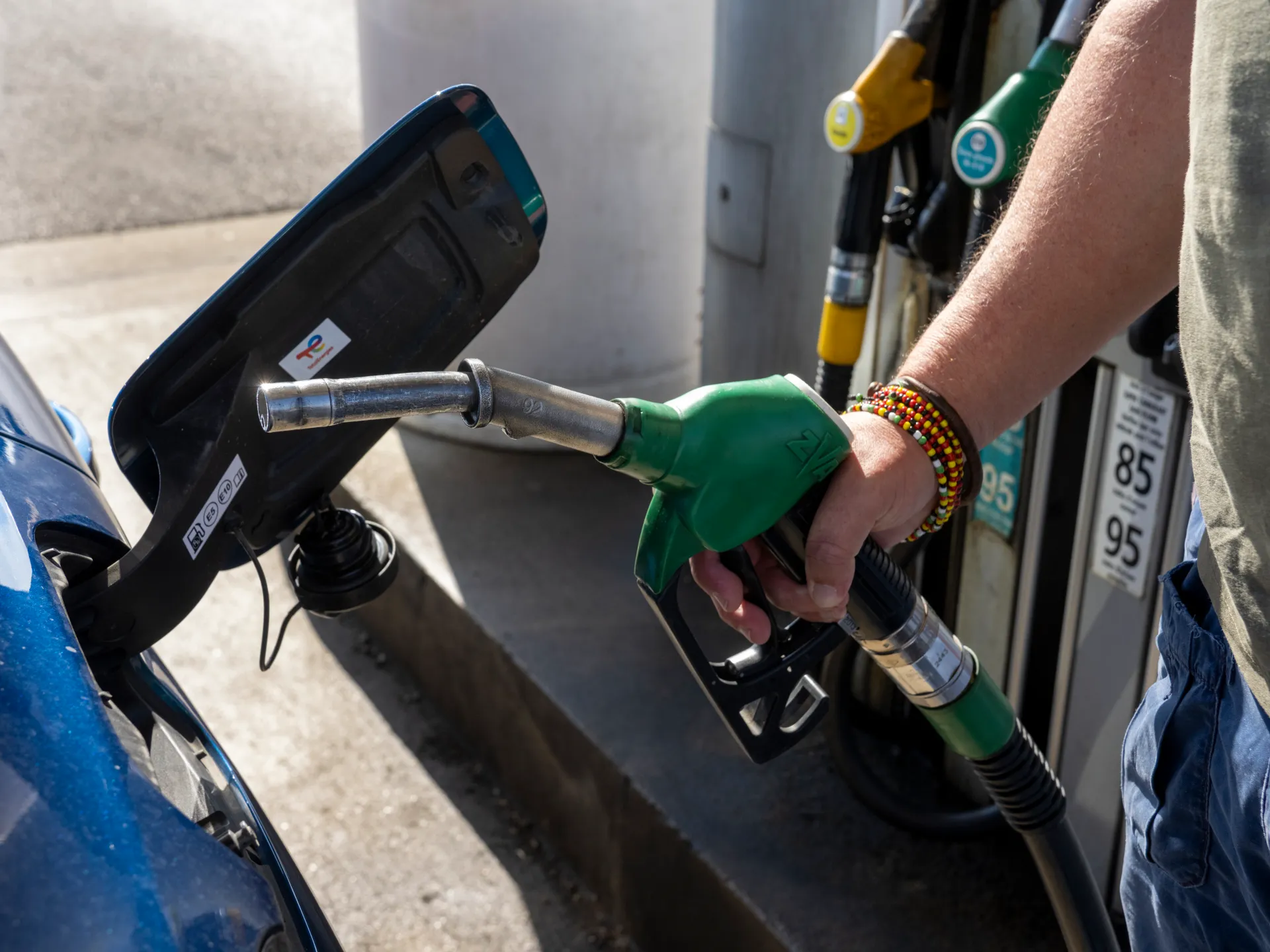
The unprecedented international intervention aims to address severe market volatility that has severely impacted households and businesses across the United States and allied nations.
Global energy markets have experienced extreme turbulence, prompting urgent policy discussions among major economies. The decision to tap into state stockpiles reflects mounting political and economic pressure on Western leaders.
Analysts indicate that policymakers are eager to demonstrate decisive action against inflation before upcoming electoral cycles alter the domestic political landscape.
Why G7 to release 100 million barrels matters now
Market experts continue to debate whether the scheduled international release will offer long-term relief for struggling motorists. Past interventions have yielded mixed results in permanently lowering fuel costs at retail pumps.
- Emergency reserves provide a temporary buffer against sudden geopolitical shocks.
- Structural supply deficits require sustained multi-year production increases.
- Refineries face ongoing operational bottlenecks limiting diesel output.
European nations recently aligned with United States policy objectives regarding the coordinated release. Regional leaders previously hesitated to tap into strategic reserves but ultimately bowed to heavy pressure from Washington. The collaborative approach underscores the gravity of current supply chain disruptions facing the transatlantic alliance.
Meanwhile, geopolitical tensions continue to complicate global distribution networks and trade flows. Observers noted that concurrent security threats, such as infrastructure attacks near key European transit hubs, compound existing market anxieties.
Energy traders are monitoring these developments closely as physical barrels begin moving toward commercial terminals.
Implementation timelines remain tight as participating governments finalize logistics with the International Energy Agency. Deliveries will commence over the coming weeks to maximize market impact during peak seasonal demand periods.
Industry stakeholders expect additional guidance from regulatory bodies regarding the exact distribution schedule and regional allocations.
Market participants await concrete delivery dates to gauge the immediate downward pressure on futures contracts. Further assessments will depend heavily on private sector production responses and broader macroeconomic indicators.
Governments intend to maintain close communication with industry participants to evaluate whether additional supply measures will become necessary later this year.
Background and next steps
G7 to release 100 million barrels of oil and diesel, will it curb prices? Al JazeeraG7 to release 100 million barrels of diesel and other reserves through IEA ReutersThe G7 Is Releasing Emergency Fuel Reserves. How Much Will It Help Americans? time.comWorld in Brief: G7 to release oil reserves; Russia targets Kyiv’s bridges economist.comEurope bows to US pressure to release diesel reserves ahead of midterm elections CNN
The story remains in motion, and readers should watch for official updates as more facts are confirmed.
Public interest is likely to stay high while new details emerge from reporters and officials.
Early claims should be treated cautiously until primary sources corroborate them.
Coverage of G7 to release 100 continues to evolve as more details become available.