
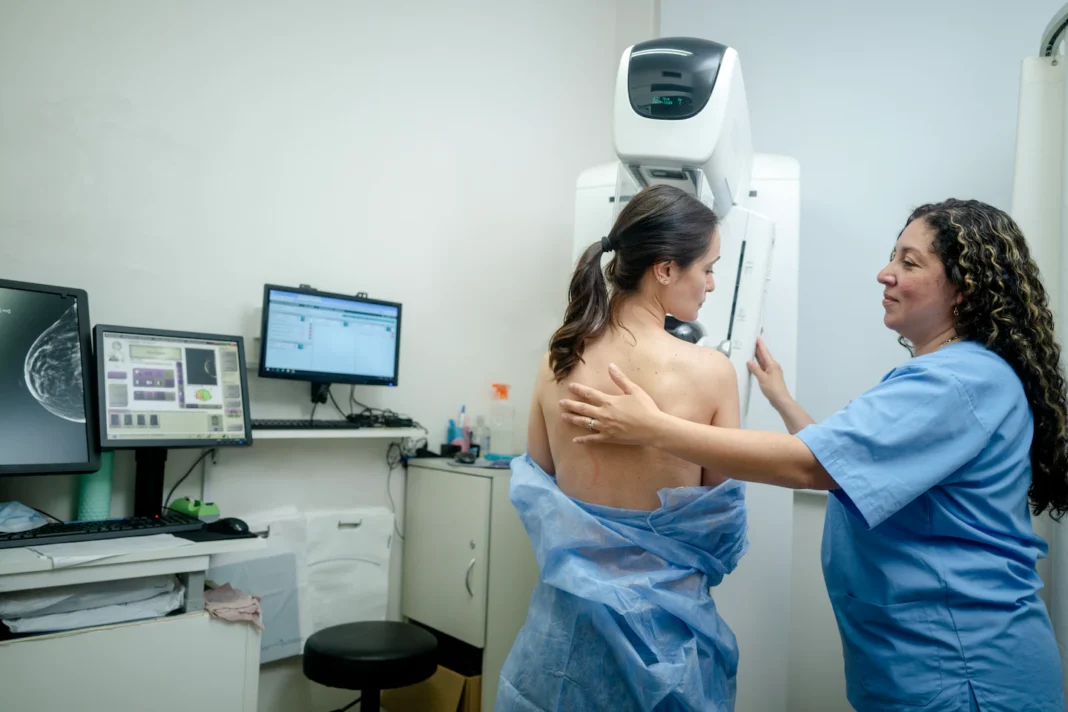


New state law requires radiologists across Maryland to include incidental cardiac findings within standard mammogram reports. Effective recently, this legislation marks a major shift in United States clinical reporting standards.
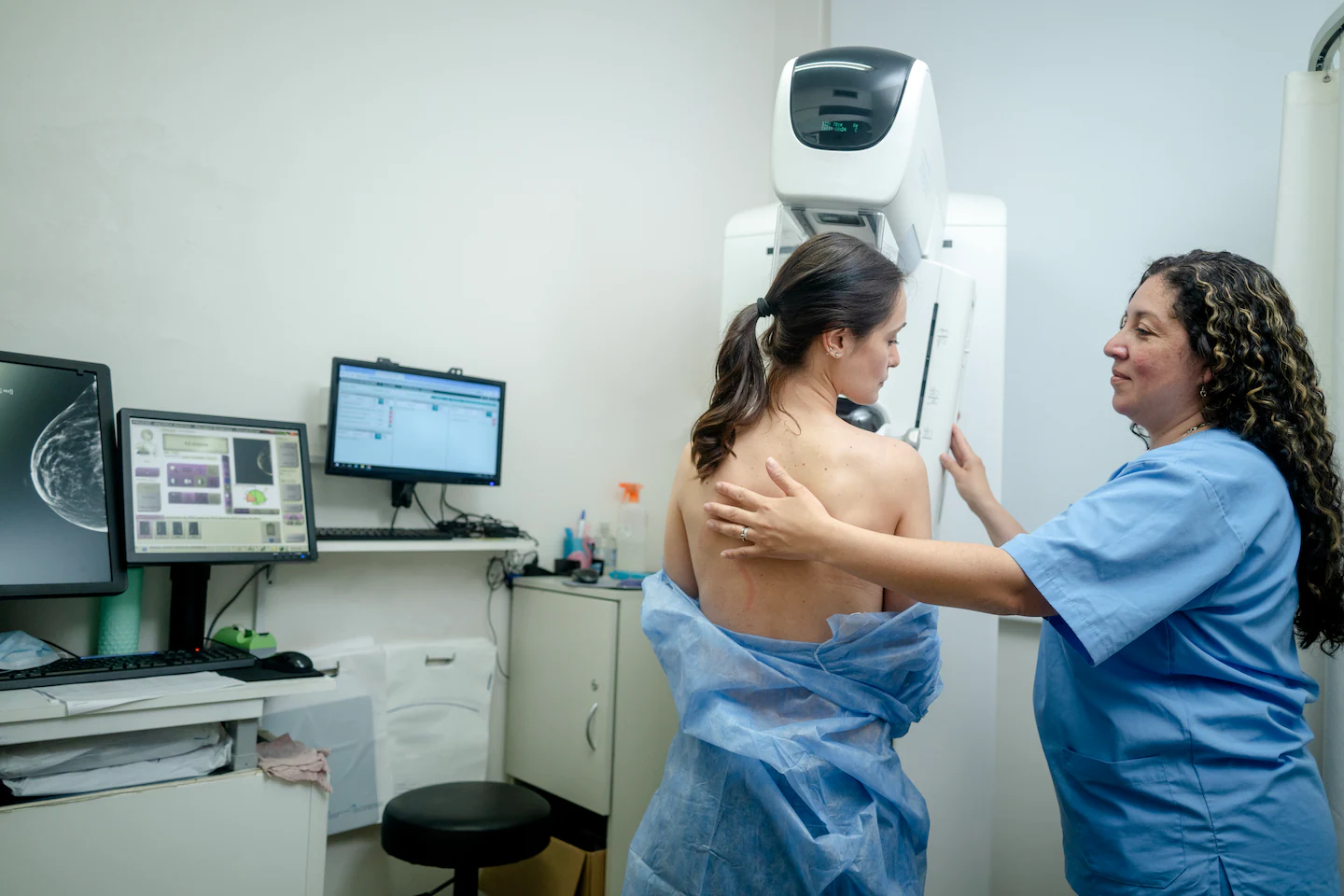
Health authorities hope the mandate will bridge the gap between routine cancer screenings and cardiovascular risk awareness. Women undergoing regular breast imaging will now receive critical notifications about hidden arterial calcifications.
Cardiovascular complications remain a leading cause of mortality nationwide. Traditionally, imaging reports focused exclusively on breast tissue density and potential malignancies. However, diagnostic equipment frequently captures arterial plaque buildup within the chest cavity during these scans.
Under the newly enacted framework, medical providers must formally document these incidental cardiac observations.
Medical experts emphasize that routine diagnostics often contain untapped preventative data. For years, radiologists noticed these vascular markers but rarely highlighted them in final patient reports.
Integrating cardiac alerts into standard summaries transforms a single screening into a dual health assessment. Patients gain actionable insights regarding their potential vulnerability to heart disease.
Why New State Law Requires Reporting Changes
Clinical workflows are shifting rapidly to accommodate this legislative mandate. Facilities must update their reporting software and training protocols. Key operational adjustments include:
- Standardizing the language used to describe arterial calcifications.
- Ensuring timely delivery of cardiac findings to primary care physicians.
- Providing clear educational materials for patients receiving mixed results.
Public health advocates praise the legislation for addressing overlapping medical risks. Heart conditions and breast health issues often affect the same demographic groups. Streamlining detection protocols allows for earlier intervention and multidisciplinary treatment planning.
Implementation challenges persist as clinics adapt to the updated guidelines. Radiology departments must manage increased administrative workloads while maintaining rapid turnaround times. Maintaining consistency across different hospital networks requires ongoing coordination among medical boards and state regulators.
Future legislative sessions in other regions may look to this framework as a national model. Healthcare providers are closely monitoring patient outcomes and diagnostic accuracy metrics. As clinical adoption expands, medical professionals expect broader awareness of cardiovascular health indicators found during routine screenings.
Background and next steps
New state law requires mammogram results to include this heart disease warning sign The Washington PostNew Maryland law requires radiologists inform patients of heart disease warning sign NPRMammograms can offer a hint about heart disease risk — so why isn’t it included in results? New York PostMaryland mammography law turns incidental cardiac findings into a new screening opportunity Radiology BusinessDr. Crandall: Mammograms May Reveal Hidden Heart Disease Risk Yahoo Health
The story remains in motion, and readers should watch for official updates as more facts are confirmed.
Public interest is likely to stay high while new details emerge from reporters and officials.
Early claims should be treated cautiously until primary sources corroborate them.
Coverage of New state law requires continues to evolve as more details become available.
Readers watching New state law requires should look for official updates in the coming hours.