


Thousands of security personnel have been deployed across New Delhi as authorities move to defuse a massive youth demonstration organized by the "cockroach" political party.
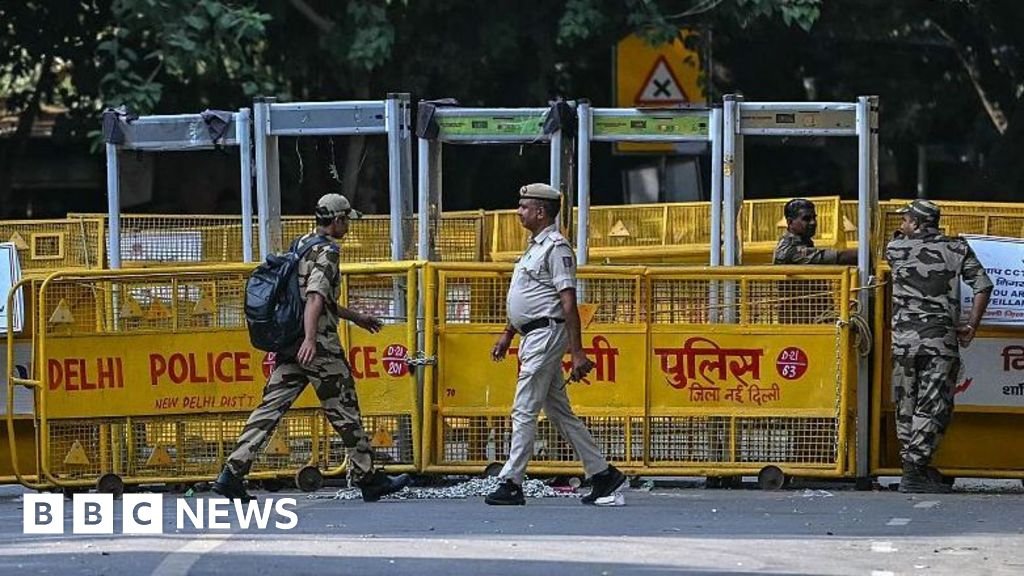
Law enforcement officers established heavy security cordons after top protest organizers were detained by police ahead of their planned march targeting India’s election chief.
The large-scale mobilization aims to prevent widespread disruption across the capital city while key political figures remain in custody.
This sudden law enforcement action marks a dramatic escalation in the ongoing political standoff between youth organizers and electoral authorities. The demonstration has already paralyzed movement across major transit corridors in the capital.
By placing law enforcement forces in position, government officials hope to maintain public order and neutralize further organized marches before crowds gather in central districts.
How Thousands of Security Personnel Are Managing Delhi Protests
Police operations began early after intelligence indicated that organizers planned to march directly toward central administrative offices. Authorities targeted top movement figures in preventative actions across multiple urban locations.
Among those taken into custody was a prominent youth leader who was stopped at the local airport. Police officers intercepted the organizer to prevent them from reaching waiting crowds in the city center.
Additional thousands of security personnel were posted at strategic entry points leading into the capital. Detailed security checkpoints were established along key highways to monitor and restrict incoming traffic.
Organizers affiliated with the "cockroach" party confirmed that several senior members were detained prior to the rally. Party representatives stated that key leaders remain held in police custody without immediate release.
The coordinated political movement has focused its opposition directly on the national election chief. Youth activists argue that systemic administrative changes are necessary within the electoral management body.
Key developments surrounding the capital containment operation include:
- Leader detentions: Security forces detained key organizers at the airport and regional transit hubs.
- Strategic deployments: Thousands of security personnel secured major intersections and civic centers.
- Traffic controls: Regional police forces established roadblocks to restrict large crowd gatherings.
- Demonstration goals: Activists continue to demand direct accountability from top election officials.
Despite the pre-dawn detentions, smaller groups of youth protesters attempted to gather in select neighborhoods. Law enforcement officers quickly moved into these areas to disperse informal assemblies before they expanded.
Public transportation across parts of New Delhi experienced localized disruptions as police barricades remained active. Transit authorities advised daily commuters to expect heightened security screening throughout the day.
Thousands of security personnel continue to patrol major transit hubs to prevent reformations of unauthorized rallies. Specialized security units remain stationed outside primary administrative buildings to deter sudden protest marches.
Legal representatives for the detained party leaders stated that formal inquiries are underway regarding the legal grounds for the airport detentions. Party members insist that public demonstrations should be permitted under established civic standards.
Government administrators defended the law enforcement response as an essential measure to prevent total civic paralysis. Official spokespersons noted that unapproved rallies pose significant safety risks to everyday municipal operations.
With thousands of security personnel maintaining a visible presence, central New Delhi remains under close surveillance. High-level security protocols are expected to stay active until calls for further public demonstrations subside completely.
Police officials emphasized that unauthorized assemblies will not be tolerated in high-security zones. Law enforcement teams have been instructed to clear public squares if gatherers attempt to regroup.
Youth supporters have turned to digital channels to voice their grievances following the detention of their leaders. Activists continue to share updates online regarding the legal status of those taken into custody.
Regional authorities coordinated with neighboring state police to monitor potential bus convoys heading toward the capital. Perimeter checks were tightened across arterial routes to limit outside reinforcement.
Emergency response teams were placed on high alert near major civic installations throughout the afternoon. Medical and fire safety personnel were positioned to assist if public disruptions escalated unexpectedly.
City officials confirmed that municipal services will operate under modified schedules until security conditions normalize. Residents were urged to use alternative routes to avoid heavily guarded government sectors.
Looking ahead, political observers anticipate immediate legal challenges regarding the detention of youth organizers. Movement representatives indicated that they will seek judicial intervention concerning the actions taken at the airport and surrounding police stations.
Meanwhile, security agencies plan to maintain strict monitoring protocols across the capital over the coming days. The continued presence of thousands of security personnel will depend on whether political leaders call for additional mobilization efforts in the city.