


Russian strike on buses has left at least 30 people dead in eastern Ukraine, according to regional officials confirming the devastating incident.
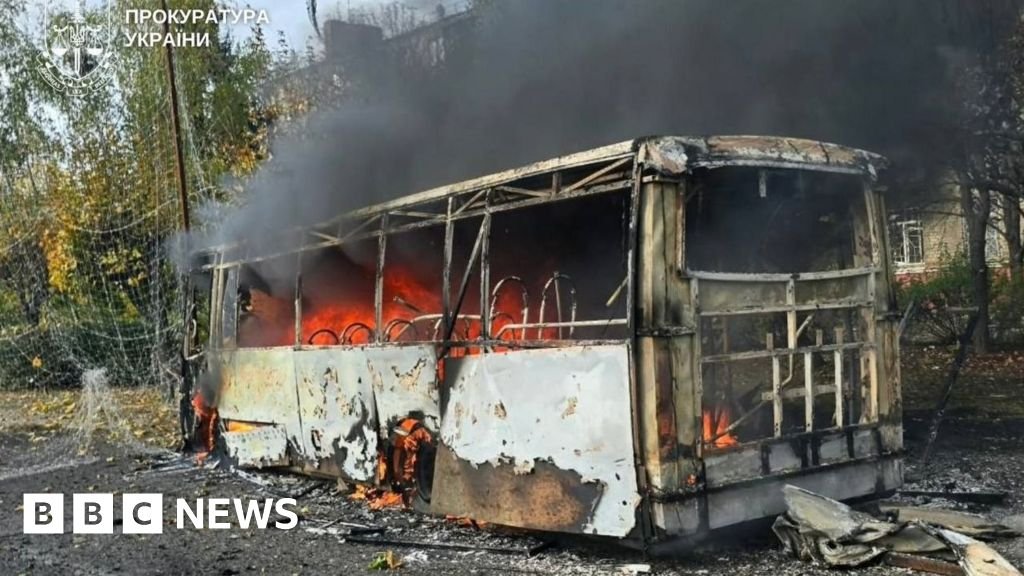
The violent escalation unfolded amid a broader wave of deadly military actions targeting civilian transportation hubs across the embattled nation. International observers are closely tracking these top stories as casualty numbers continue to climb significantly.
This catastrophic event highlights an intensifying military campaign by Moscow as forces close in on key strategic zones. The timing coincides with worsening infrastructure blackouts in the capital city of Kyiv, compounding daily hardships for civilians.
Emergency responders rushed to the scene immediately following the blast to rescue survivors trapped in wreckage.
The Devastating Impact of the Russian strike on buses
Official reports indicate that the violent impact shattered multiple public transport vehicles carrying daily commuters. The sheer scale of destruction has turned this into one of the deadliest single incidents recorded this year.
- At least 30 fatalities confirmed by regional authorities
- Dozens of additional civilians sustaining severe injuries
- Widespread damage to public transport infrastructure
Rescue operations remained active for hours as local crews searched through mangled metal. Medical teams worked under immense pressure to stabilize critical patients transported from the impact zone.
Further reports from Kramatorsk confirm that additional civilian areas have come under heavy fire. Moscow’s expanding operational scope increasingly targets transit corridors linking major regional urban centers.
Analysts note that these assaults directly pressure Ukraine’s vital logistics and defense networks. As ground troops advance, civilian populations bear the brunt of the shifting tactical landscape.
Authorities anticipate that the official casualty figures may rise further as search operations conclude. Local hospitals are currently overwhelmed with trauma cases requiring specialized emergency medical interventions.
International bodies continue condemning the targeting of non-combatant infrastructure. Diplomatic pressure mounts globally while humanitarian organizations mobilize additional relief supplies for affected regions.
Recovery efforts will likely take considerable time given the extensive damage inflicted on local roadways. Utility crews are simultaneously racing to restore essential power grids crippled by concurrent aerial bombardments.
Background and next steps
Russian strike on buses kills at least 30, say officials, as deadly attacks on Ukraine surge BBCRussian strike kills at least 33 in eastern Ukraine in deadliest single attack this year CNNRussian strike on Ukrainian public buses leaves dozens dead as blackouts worsen in Kyiv PBSMore killed in Kramatorsk as Russia targets Ukraine’s transportation system Al JazeeraAt least 30 dead in Russian bus strike as Moscow closes in on Ukraine’s ‘fortress belt’ The Washington Post
The story remains in motion, and readers should watch for official updates as more facts are confirmed.
Public interest is likely to stay high while new details emerge from reporters and officials.
Early claims should be treated cautiously until primary sources corroborate them.
Coverage of Russian strike on buses continues to evolve as more details become available.
Readers watching Russian strike on buses should look for official updates in the coming hours.