
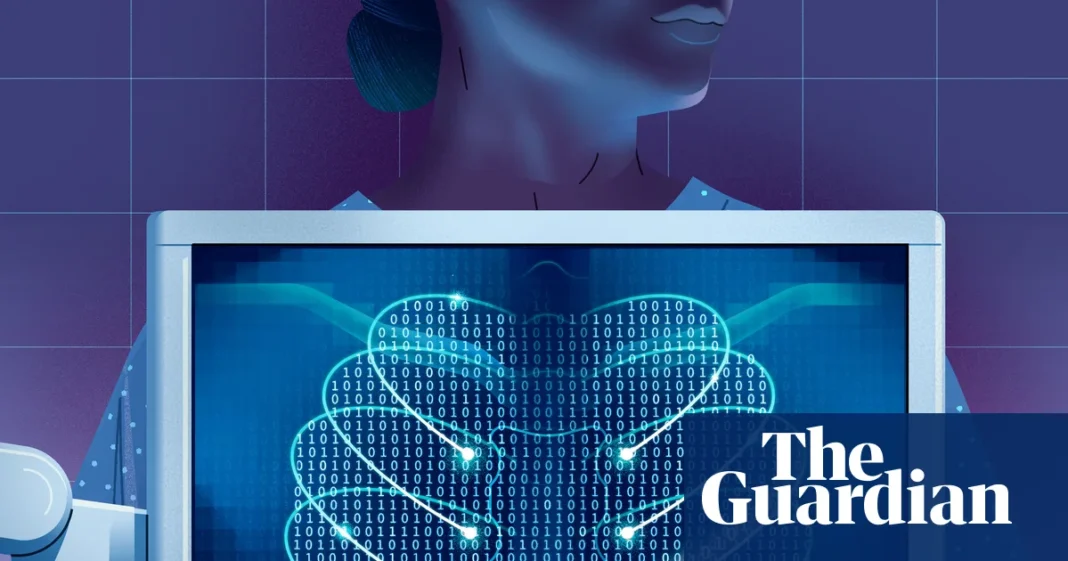


Big tech says AI is revolutionizing healthcare across the United States by accelerating drug discovery and mapping complex biological pathways. Technology giants have repeatedly promised that advanced machine learning models will soon eradicate complex diseases like cancer.
Patients and clinicians now demand to know why tangible clinical breakthroughs remain scarce.
Medical institutions worldwide face mounting public pressure as Silicon Valley firms promote artificial intelligence as a medical savior. Public expectations have skyrocketed following aggressive marketing campaigns from major software corporations. Critics argue that public relations narratives frequently outpace empirical laboratory realities.
Why Big tech says AI will transform medicine
Industry leaders argue that computational speed is the ultimate catalyst for pharmaceutical innovation. Traditional laboratory research often takes decades to identify viable therapeutic molecules. Artificial intelligence algorithms can screen billions of chemical combinations in mere seconds.
Key claims from industry developers include:
- Drastic reduction in clinical trial recruitment times
- Precise identification of genetic mutations driving tumor growth
- Automated analysis of massive pathology datasets
- Accelerated development of personalized immunotherapy treatments
Despite these impressive theoretical capabilities, translating digital data into physical medicine remains a monumental scientific hurdle. Biological systems are infinitely more complex than digital code. A successful computer simulation does not automatically guarantee safety and efficacy inside the human body.
Regulatory agencies in the United States enforce rigorous safety standards before approving any novel pharmaceutical treatment. Clinical trials require years of meticulous testing to ensure patient safety. Software algorithms cannot bypass these mandatory scientific evaluations.
Healthcare analysts point out that corporate hype often obscures the distinction between diagnostic efficiency and actual cures. While algorithms excel at reading radiology scans, designing a universal cure for malignancy requires conquering fundamental biology. Digital models can only assist researchers, not replace empirical experimentation.
Funding distribution also creates friction between computer scientists and traditional oncologists. Immense financial capital flows into software development rather than basic laboratory research. This imbalance occasionally frustrates veteran oncologists who deal with daily patient care.
Looking ahead, scientific watchdogs expect regulatory bodies to implement stricter guidelines on medical software marketing. Researchers will continue integrating machine learning into laboratory workflows while managing public expectations. The timeline for true computational breakthroughs in oncology remains uncertain as researchers navigate complex biological barriers.
Background and next steps
Big tech says AI can find a cure for cancer. So where is it? The GuardianSee more headlines & perspectives on Google News
The story remains in motion, and readers should watch for official updates as more facts are confirmed.
Public interest is likely to stay high while new details emerge from reporters and officials.
Early claims should be treated cautiously until primary sources corroborate them.
Coverage of Big tech says AI continues to evolve as more details become available.
Readers watching Big tech says AI should look for official updates in the coming hours.