
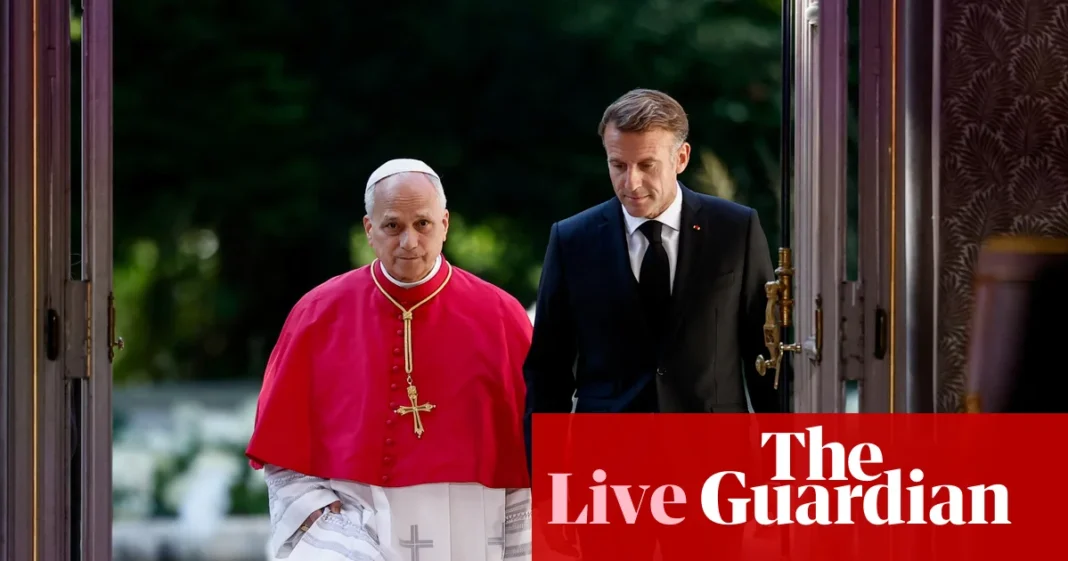


Pope Leo warns against unchecked artificial intelligence growth and its potential to diminish basic human rights during his inaugural official voyage to France.
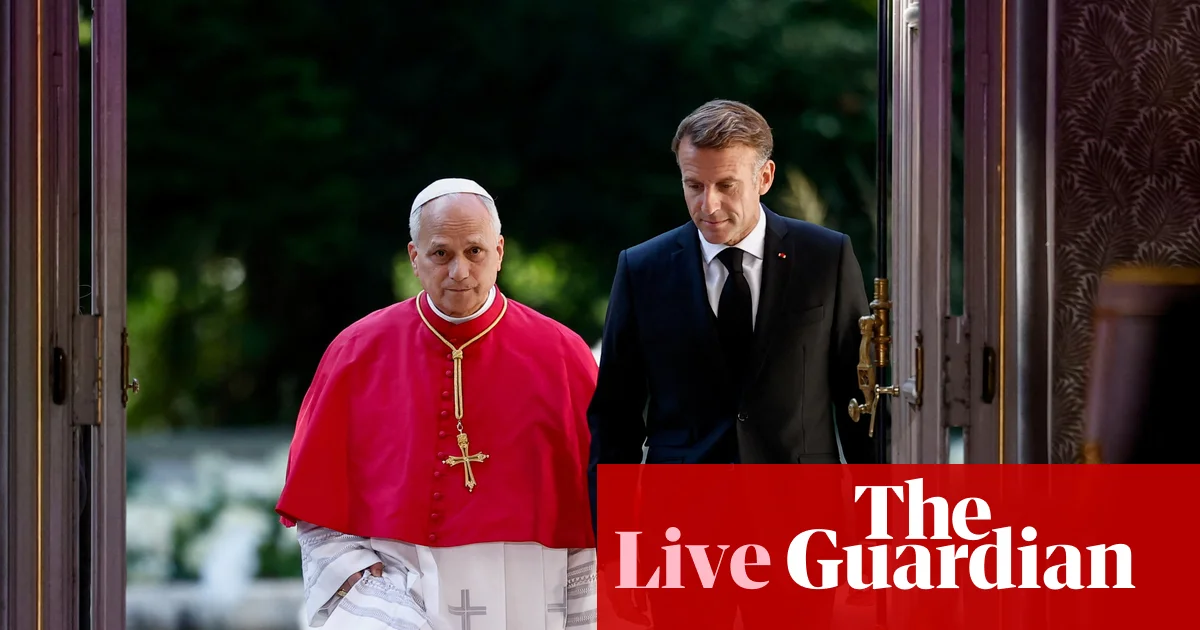
Speaking before international dignitaries in Paris, the Pontiff asserted that technological innovation must always remain at the service of humanity.
He emphasized that global leaders must proactively establish ethical boundaries to ensure rapidly advancing automated algorithms do not eclipse human dignity or fundamental societal moral values.
The papal address comes at a pivotal juncture as governments worldwide grapple with regulating emerging digital technologies.
As machine learning systems rapidly integrate into public governance, international diplomacy, and economic sectors, religious and civic leaders are stepping forward to demand strong moral frameworks.
By addressing these critical challenges during his high-profile visit, the Pontiff has positioned ethical technology regulation as one of the most urgent moral imperatives facing contemporary global society.
Diplomatic engagements and Paris talks
The Pontiff’s itinerary in Paris featured essential diplomatic discussions with French President Emmanuel Macron. Held at the historic center of French governance, their bilateral meeting focused on international stability, societal challenges, and the ethical management of technological progress.
During their formal talks, the leaders reviewed the strategic implications of rapid technological adoption across sovereign states. The dialogue highlighted how emerging tools affect diplomatic relations, economic stability, and international cooperation in an increasingly interconnected global landscape.
Addressing the state of international diplomacy, Pope Leo warns against the erosion of global institutions, cautioning that bodies like the United Nations risk becoming a charade without sincere commitment. He stressed that international assemblies must maintain active, meaningful cooperation rather than falling into symbolic gestures.
Key takeaway points from the high-level Paris summit include:
- Strengthening international diplomatic frameworks to maintain peace and collective security across regions.
- Establishing shared ethical standards for research and deployment of advanced digital tools.
- Protecting global workforce stability against rapid technological displacement and economic disruption.
- Ensuring multilateral institutions retain effective authority to resolve complex international conflicts.
Pope Leo warns against machine dominance
Focusing heavily on technological evolution, the leader of the Catholic Church cautioned against allowing automated systems to eclipse human reasoning. He warned that creating an unguided "paradise of machines" could inadvertently undermine humanity and weaken essential social bonds.
As automated systems expand across critical sectors like healthcare, finance, and national defense, Pope Leo warns against prioritizing technical efficiency over moral integrity. He reiterated that technical progress must remain subordinate to human well-being and moral responsibility.
The Pontiff stressed that algorithmic execution should never replace human compassion, conscience, or moral decision-making. He called upon software developers, corporate executives, and lawmakers to integrate universal human-centric principles directly into technology design.
Addressing the broader societal impact, Pope Leo warns against relinquishing human agency to automated networks. He noted that while technological innovation offers unprecedented tools, society must never allow machines to dictate moral judgment or policy decisions.
Core concerns highlighted regarding rapid technological adoption include:
- The preservation of fundamental human agency in administrative and legal decisions.
- Preventing digital algorithms from widening existing economic and social inequalities worldwide.
- Developing strict accountability standards for autonomous systems operating in public spheres.
- Safeguarding personal privacy and dignity against intrusive automated monitoring mechanisms.
Spiritual reflections at Notre-Dame
In addition to diplomatic and policy discussions, the French visit featured significant spiritual moments, notably at the iconic Notre-Dame Cathedral. The historic cathedral served as a powerful backdrop for reflection on faith, resilience, and human creative achievement.
Surrounded by historic architecture, observers characterized the gathering at Notre-Dame as a sacred moment where light meets heaven. The Pontiff noted that enduring cultural and spiritual traditions provide crucial moral guidance as humanity navigates an increasingly digital and automated future.
Future outlook on global governance
As international bodies prepare new policy initiatives regarding artificial intelligence, the papal declarations deliver a strong ethical message to global lawmakers. The views expressed in France are expected to inform ongoing legislative discussions throughout the United States, Europe, and beyond.
Looking ahead, international organizations face growing demands to balance technological advancement with rigorous human rights protections. Pope Leo warns against passive compliance with technological shifts, urging leaders to maintain continuous moral oversight and clear legal boundaries.
The diplomatic exchange in Paris marks an important step toward continuous engagement between religious authorities and political leaders on technological ethics. Papal representatives plan to maintain active participation in international forums to advocate for human-centered technology policies.
Coverage of Pope Leo warns against continues to evolve as more details become available.