
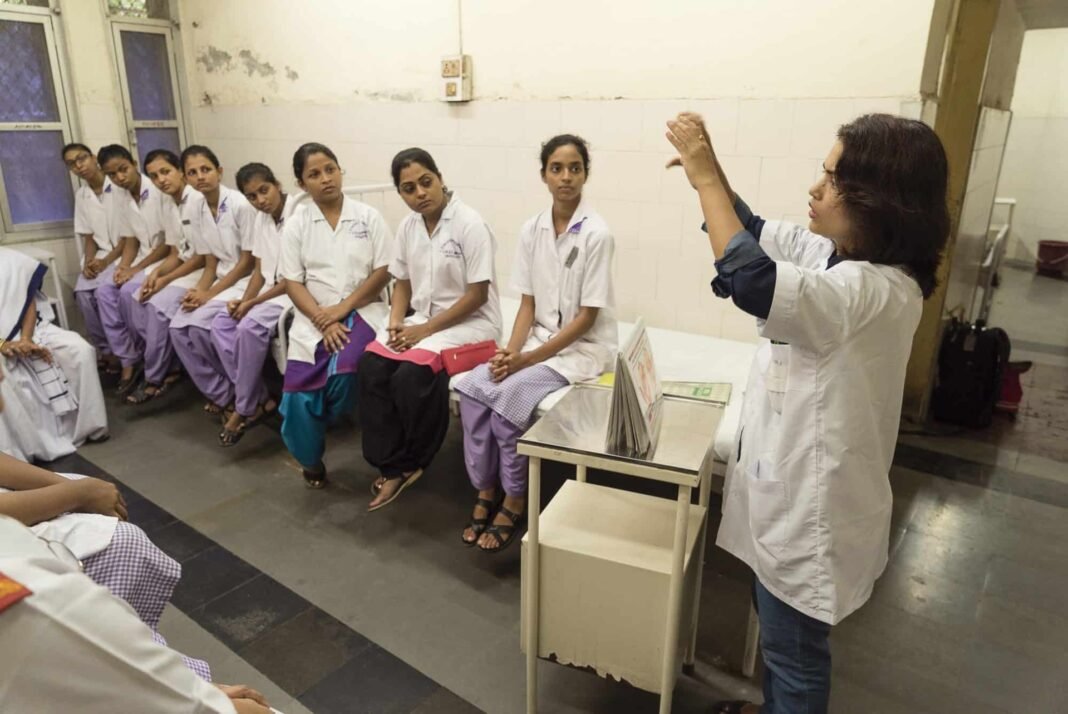


The Centre has launched a nationwide programme to train 10,000 healthcare professionals in the prevention, diagnosis and treatment of substance use disorders through de-addiction services by 2029. Union health minister J P Nadda launched the programme on Monday under the Vision on Narcotic Control 2026-2029, with the stated aim of a drug-free India by 2029. The ministry aims to train 2,000 personnel in the current financial year, followed by 3,000 in 2027-28 and 5,000 in 2028-29.
The training covers addiction to alcohol, opioids and other drugs. It is aimed at building capacity across the health system, so that people seeking help for substance use can be identified earlier and treated closer to where they live, rather than only at specialist centres. Nadda stressed that tackling substance abuse requires coordinated action by healthcare, social welfare and law enforcement agencies.
More than 800 nominations have already been received through the health ministry and the National Health Mission for online and offline training. Around 150 personnel from centres supported by the Ministry of Social Justice and Empowerment are also expected to undergo in-person training over the next two months.
Who will deliver the de-addiction training
The de-addiction programme will be implemented through six central government institutions under the Drug De-addiction Programme. The National Drug Dependence Treatment Centre at AIIMS, known as NDDTC, will serve as the coordinating centre. The other institutions are NIMHANS in Bengaluru, PGIMER in Chandigarh, the Central Institute of Psychiatry in Ranchi, Dr Ram Manohar Lohia Hospital in Delhi, and AIIMS Bhubaneswar.
That spread matters for a national programme. The six institutions cover different regions, and each brings its own clinical and teaching experience. A coordinating centre can keep the curriculum and standards consistent, while the other institutions deliver training to workers in their regions. The model also gives trainees access to specialists who already work in treatment and research.
Nadda said fragmented efforts among government departments had created gaps in coordination and service delivery. Effective implementation of the narcotic control strategy, he said, would require clearly defined responsibilities, sustained inter-ministerial coordination and collective accountability. He also stressed the need to strengthen de-addiction centres through training, institutional support and adequate resources.
What the de-addiction courses will cover
The training will combine live online sessions, self-paced courses and in-person programmes. Doctors and medical officers will undergo a 12-week online training course featuring lectures and clinical case discussions. Nurses, community health officers, auxiliary nurse midwives, counsellors and psychologists will have access to specialised de-addiction modules suited to their roles.
The curriculum will cover substances ranging from alcohol and cannabis to opioids, sleeping tablets and inhalants. It will also cover addiction among vulnerable groups, including women and adolescents. That breadth reflects the range of cases health workers meet in clinics, hospitals and community settings, where substance use may appear alongside other health problems or may be the reason a patient seeks care.
Case discussions form a large part of the doctors’ course, and for good reason. Substance use treatment rarely follows a single script. A patient may use more than one substance, may have a mental health condition, or may face family or work pressures that affect recovery. Discussing real clinical cases helps trainees practise the judgement calls that written guidance alone cannot cover.
Why the de-addiction workforce needs building up
De-addiction needs sustained care, not a single appointment. Prevention, diagnosis and treatment each call for different skills, and those skills are not evenly spread across the health system today. A community health officer who can spot early signs, a nurse who can support follow up, and a counsellor who can work with families all play different parts in the same treatment plan.
The phased numbers show how the ministry plans to build that workforce over time. Training 2,000 personnel this financial year gives the programme a first cohort to learn from, before the intake rises to 3,000 in 2027-28 and 5,000 in 2028-29. By the end of the period, the total will reach 10,000, if the yearly targets are met.
The early nominations suggest demand for places is already there. More than 800 nominations have come in through the health ministry and the National Health Mission, and a further group of around 150 personnel from centres supported by the social justice ministry is expected to train in person over the next two months. The programme will be judged, in the end, on whether trained workers stay in de-addiction roles and whether patients find help more easily. The first test is simpler: whether the 2,000 places for this financial year are filled, and whether the six institutions deliver the courses as planned.