
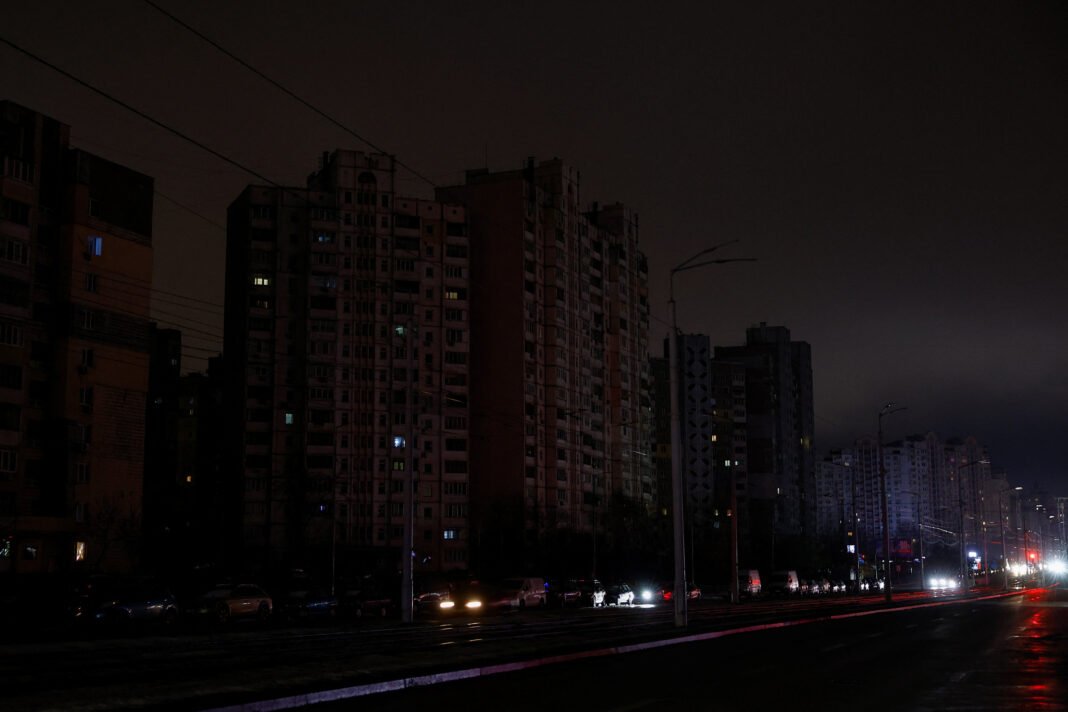


Kyiv blackouts followed overnight Russian strikes on the power grid, with 172 drones and 36 ballistic missiles fired at Kyiv and the surrounding regions. The attack hit substations linking the Rivne and Khmelnytsky nuclear plants to Kyiv, and substations in Vinnytsia, Zhytomyr, Rivne, Kharkiv and Dnipro. The Northern Bridge, known as the Pivnichnyi, was closed for repairs, and five to six people were injured, including a 14-year-old girl. The attack came days before planned peace talks in Abu Dhabi.
The Kyiv blackouts left parts of the city without power, water and heating, and the mayor, Vitali Klitschko, said water was back to normal by Saturday, and the heating was being restored building by building. About 60 per cent of apartment buildings had been reconnected to heating, and the city was working to restore the rest. Energy Minister Denys Shmyhal said power cuts were in place in five regions, and 12 regions were struck in all.
Kyiv blackouts were caused by the strikes on the substations, which are the link between the nuclear plants and the city. The substations at Rivne and Khmelnytsky feed power to Kyiv, and the strikes cut that link. The attack also hit substations in five other regions, and the power cuts spread across the country. President Volodymyr Zelenskyy said North Korean KN-23 missiles hit a key energy facility, and that four of the 36 ballistic missiles were shot down. Russia said it had targeted energy and transport sites in the attack.
Kyiv blackouts and the water supply
The Kyiv blackouts were followed by a water outage, and the mayor said the water was back to normal by Saturday. The city had suffered its worst water outage of the war on 3 and 4 November, when the water was cut for more than 24 hours, and the latest attack brought the problem back. The Northern Bridge was closed for repairs, and the city worked to restore the water and the heating. About 60 per cent of apartment buildings had heating back, and the rest were waiting for the power to return.
Kyiv blackouts have become a regular part of the war, and the strikes on the grid are aimed at wearing down the city. The attack on 7 November used 172 drones and 36 ballistic missiles, and it hit 12 regions in all. The strikes on 3 and 4 November used 310 drones, and 40 people were killed at an aid site in Komyshuvakha. The aid site was hit during the same wave of strikes.
Kyiv blackouts and the peace talks
The Kyiv blackouts came days before planned peace talks in Abu Dhabi. The talks are aimed at finding a way to end the war, and the strikes on the grid show the scale of the fighting that the talks must address. President Zelenskyy said the North Korean missiles that hit the energy facility showed the range of the weapons being used. Russia said it had targeted energy and transport sites.
Kyiv blackouts will continue as long as the strikes on the grid continue, and the city has learned to cope with the cuts. The water was back to normal by Saturday, and about 60 per cent of apartment buildings had heating back. The energy minister said power cuts were in place in five regions, and the city was working to restore the rest. The attack hit 12 regions, and the damage will take time to repair. The city has been through this before, and it will go through it again.
The Kyiv blackouts followed the overnight strikes on the power grid, and the city is still restoring the damage. The attack used 172 drones and 36 ballistic missiles, and it hit substations in six regions. The Northern Bridge was closed for repairs, and five to six people were injured. The water is back to normal, and about 60 per cent of apartment buildings have heating. The peace talks in Abu Dhabi are days away, and the strikes are a reminder of the war that the talks are meant to end.