


Nike plans to triple its business in India over the next five years, and cricket sits at the centre of the push. The target was set out at the company’s Investor Day on 17 November, its first such event in about nine years, where senior managers told investors that India was one of the biggest growth openings in the world. The plan pairs a wider range of running, training and sportswear products with a direct move into cricket, a sport the company has largely stayed away from until now.
Nike and the five-year India target
Cathy Sparks, Nike vice president and general manager for Greater China, put the scale of the plan in plain terms. “India represents one of our biggest opportunities in the world. We have already been serving Indian athletes for more than 30 years,” she said. “Our ambition is to triple our business in the next five years. We will do that by focusing our resources on running, training, and sportswear.”
The market behind the target is growing fast. India’s athletic apparel and footwear market is worth about $9 billion now, and the company expects it to grow at about 10 per cent a year to cross $14 billion by 2031. The company does not publish its India sales, so the size of the current business is not public. What is public is the direction: more products made for Indian athletes, more stores and partners in the country, and a bigger manufacturing base there.
The company is also setting up a new campus in Bengaluru, described as a long-term investment in new capabilities and talent for its global operations. The site will support work done for athletes around the world, including in India, and it forms part of a wider reorganisation of the company’s operations that was announced in October.
Nike turns to cricket before LA 2028
Cricket is the part of the plan that drew the most attention. “You cannot win in India without winning in the sport that India loves the most: cricket,” Sparks said. Nike plans to reach Indian athletes through product innovation, grassroots programmes and partnerships, including a new multi-year partnership with the Mumbai Indians across the men’s and women’s leagues.
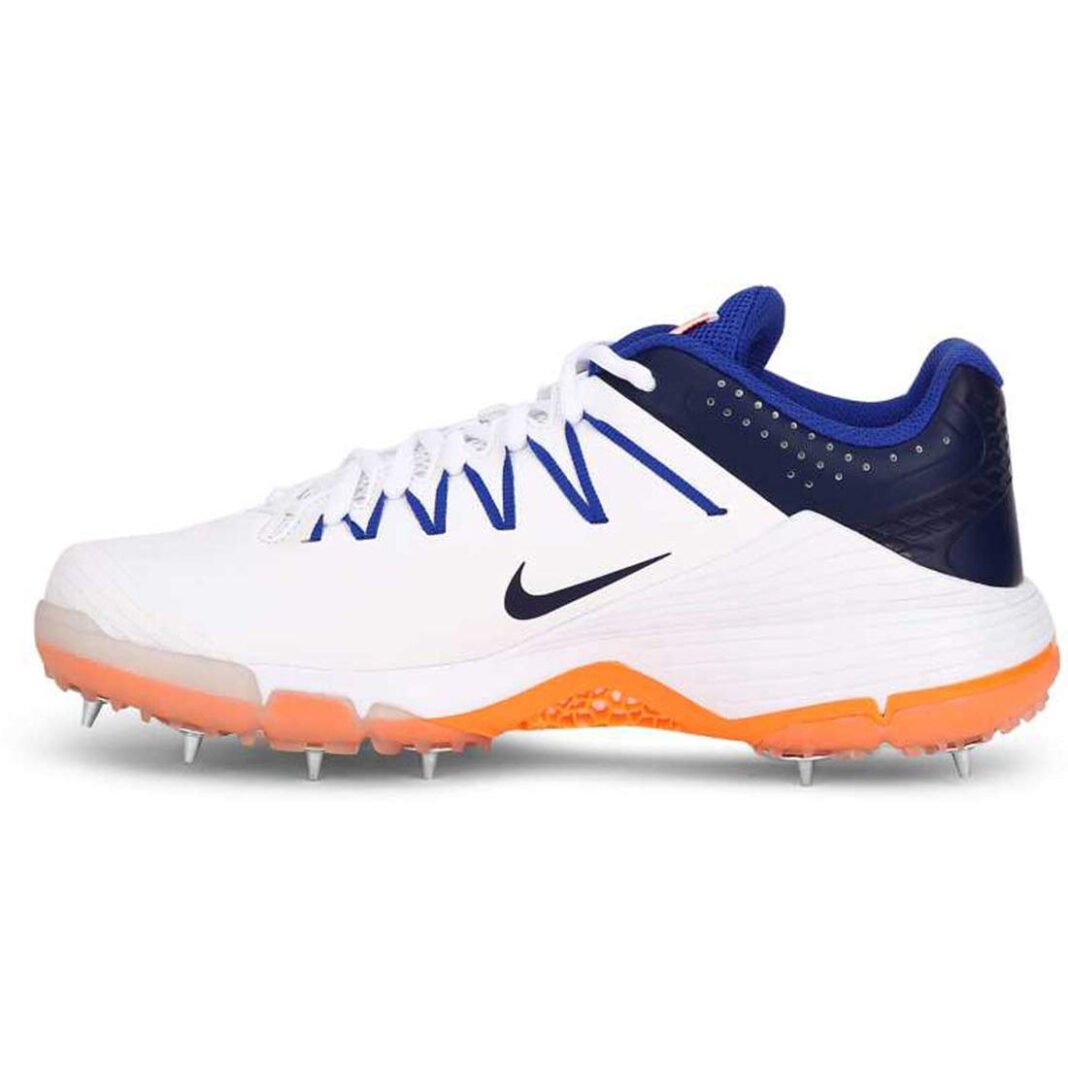
The company already sells the Domain 3 cricket shoe, but the bigger step comes before the Los Angeles Olympics in 2028. When cricket returns to the Olympic Games at LA 2028, after more than 100 years away, Nike plans to be ready with a complete cricket footwear line built for how the game is played today. The timing gives the company about two years to design, test and sell the range in India and beyond.
The cricket push follows other recent moves in India. Last month the company put out the Vegam Run, its first running shoe made for Indian runners, priced at Rs 3,795 and sold through Flipkart and selected stores. The shoe was the first sign of a plan to design products in India for Indian buyers, and the company has said it will take the shoe to other markets next year.
China sales fall as India grows
The India push comes while Nike’s business in Greater China is shrinking. Revenue there has fallen for nine straight quarters, and Nike plans to fold the Greater China unit into its Asia Pacific operations so it can serve local markets faster. China sales fell about 26 per cent in the three months to August, and overall revenue fell 4 per cent to $11.2 billion in the same period.
Chief executive Elliott Hill, who returned to the role in October 2024, is leading the turnaround. The company said at the Investor Day that it expects to return to revenue growth in fiscal 2029, with about $5 billion of extra revenue by fiscal 2031 and operating margins of 12 to 14 per cent. The company’s shares have lost more than half their value since Hill returned, and the Investor Day was the first chance in nine years for managers to set out the full plan to investors in one place.
Venkatesh Alagirisamy, Nike’s global chief operating officer, told the Economic Times in an interview at the company’s headquarters in Oregon that Nike was betting on a growing, younger sports-focused population in India. The company sees India as a growth market and a manufacturing hub, and the five-year target is the clearest statement yet of how much it expects the country to matter to its results.