
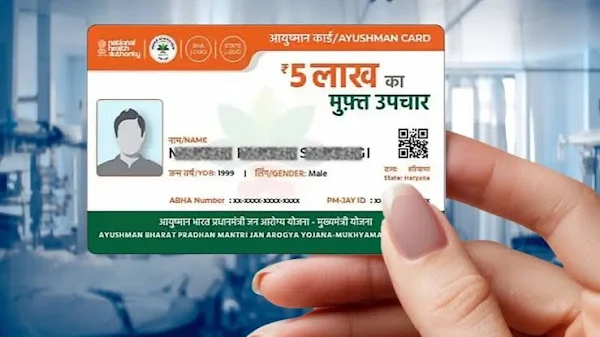


The Centre plans to expand the list of treatments reserved for public hospitals under PM-JAY, taking the number of health benefit packages from 23 to 112. The National Health Authority, which runs Ayushman Bharat Pradhan Mantri Jan Arogya Yojana (PM-JAY), has proposed adding 89 packages to the 23 already set aside for government hospitals. The change would apply to commonly required medical and surgical treatments that public hospitals can already provide. It would not remove the wider cover under PM-JAY, which pays for secondary and tertiary hospital care for eligible families. The proposal has gone to the states for their views, and the final decision rests with each state government.
PM-JAY packages reserved for public hospitals
Since 2019, 23 health benefit packages under obstetrics and gynaecology and mental health have been reserved for public hospitals under PM-JAY. The new proposal adds 89 packages to that list. The National Health Authority set out the plan in an office memorandum dated 13 October 2026, sent to the chief executives of state health agencies. States have been asked to examine the list and send their suggestions by 25 November 2026. The revised list is proposed to be built into the scheme’s Transaction Management System from 1 December 2026, once the feedback from states has been considered.
The proposed additions cover seven specialities: general medicine, general surgery, gynaecology, psychiatry, orthopaedics, ophthalmology and ear, nose and throat. The list includes C-sections, assisted vaginal deliveries and high-risk deliveries, four types of hysterectomy, and abortion at all stages. It also covers emergency admissions for malaria, severe anaemia and a dangerous rise in blood pressure, care for children with attention-deficit/hyperactivity disorder, hepatitis, pancreatitis, biopsies, cervical screening, kidney stones and piles. The common thread is that these are treatments many patients need, and that government hospitals in most districts are equipped to provide.
What the PM-JAY change means for patients
A senior official of the National Health Authority said the move has two aims: to bring commonly required care closer to the people who need it, and to strengthen public hospitals by making fuller use of their buildings, equipment and staff. Many of the treatments on the list can be provided at community health centres and sub-divisional hospitals, which are often nearer to a patient’s home than a large private hospital. “The idea is to ensure that patients do not have to travel long distances for treatments that can be effectively provided at government hospitals closer to their homes,” the official said. “At the same time, greater utilisation of these facilities will help strengthen their infrastructure and improve the quality of services.”
For patients, the practical effect depends on where they live and what their state decides. In states that adopt the revised list, the 112 packages would be available only at government hospitals, and patients could not claim them at private hospitals empanelled under PM-JAY. Other treatments covered by PM-JAY would still be available at private hospitals. States have been asked to weigh the capacity of their own hospitals before they agree, including whether they have enough specialist doctors, operating theatres and beds. A state that finds its public hospitals short of capacity can hold back some packages from the change.
How the scheme has grown since 2018
PM-JAY was launched in September 2018 to give eligible families health cover of up to Rs 5 lakh per year for secondary and tertiary hospital care. The cover is cashless at empanelled hospitals, so a family does not pay at the point of treatment for the packages included in the scheme. Over the years the PM-JAY network has grown to 36,229 empanelled hospitals as of 28 February 2026, according to data from the Ministry of Health and Family Welfare. Of those, 19,483 are government hospitals and 16,746 are private hospitals. The balance between the two has shaped much of the debate about the scheme, since private hospitals have carried a large share of the treatments claimed under it.
The proposal to reserve more packages for public hospitals follows that debate. By directing common treatments to government facilities, the National Health Authority hopes to raise the use of public hospitals and to direct more of the scheme’s funds towards them. The authority has also said the change should cut the distance patients travel for routine care. State health agencies have until 25 November 2026 to send in their suggestions, and the revised list is due to enter the transaction system on 1 December 2026.