
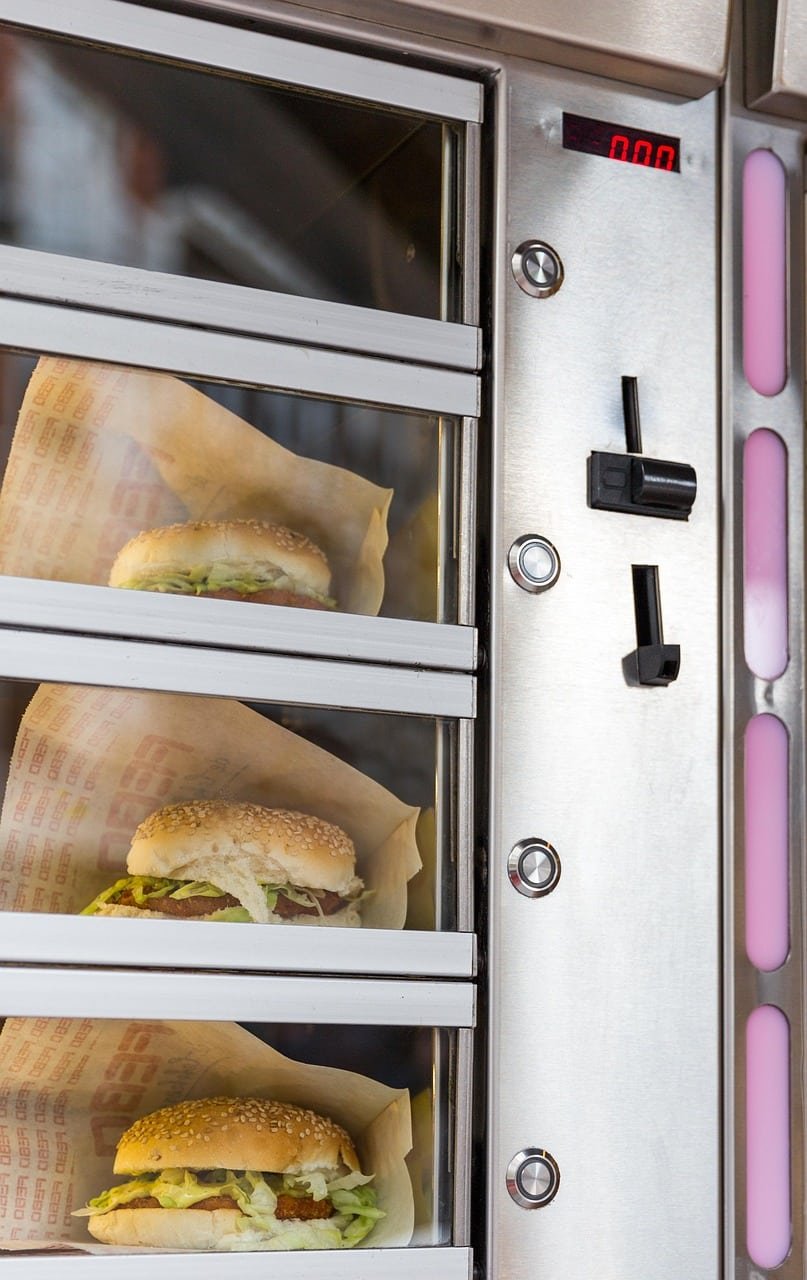


A USDA health alert is warning consumers not to eat certain breakfast items sold in workplaces and vending machines, after ready-to-eat foods were linked to biscuits recalled over possible contamination with listeria.
The USDA health alert was issued by the U.S. Department of Agriculture’s Food Safety and Inspection Service on Saturday, Nov. 14. It said several ready-to-eat meat products may contain biscuits made by C.H. Guenther & Son that were recalled for possible contamination with Listeria monocytogenes.
Listeria is a bacterium that can cause listeriosis, an infection that can be serious and even fatal for children, older people and pregnant people. Unlike many bacteria, it can survive and grow at refrigerator temperatures, and freezing does not kill it.
No confirmed illnesses have been reported in connection with the products named in the USDA health alert, the agency said. The list of affected products is expected to grow as the investigation into the biscuit recall continues.
The alert covers meat products, which fall under the Agriculture Department’s inspection service, while the biscuits themselves are regulated by the Food and Drug Administration. That split is why the agency issued a public health alert for the finished foods rather than recalling the biscuits itself.
What the USDA health alert covers
The alert names one product so far: the 9.5-ounce Mmm! Meals Made in Minutes Biscuit & Sausage Gravy, sold under establishment number EST 51248, with use-by dates from Nov. 12 through Nov. 18, 2026. The meals were sold mainly through vending machines in Arkansas, Louisiana, Mississippi, Oklahoma, Tennessee and Texas.
The biscuits at the center of the alert came from C.H. Guenther & Son of San Antonio, an FDA-regulated manufacturer. The agency said a company notified it that it had received the recalled biscuits, which led to the alert.
The alert is separate from a recall on Nov. 8, when Fresh & Ready Foods recalled 2,414 sausage, egg and cheese sandwiches sold in break rooms, refrigerated vending machines and cafeterias. Those sandwiches, sold under the Fresh to You brand, also used the recalled biscuits.
The sandwiches carried a best-by range of Nov. 7 through Nov. 19 and were sold under SKU 3100048. The meals in the alert carry use-by dates through Nov. 18, so some of the food may already have been eaten or may still be sitting in a freezer.
Why the USDA health alert was issued
The Food Safety and Inspection Service issues a public health alert when it wants consumers to act but is not requesting a recall of the product itself. The USDA health alert covers ready-to-eat foods made with the recalled biscuits.
Ready-to-eat foods are sold fully cooked and meant to be eaten without further preparation. That matters for listeria, because reheating in a microwave can heat food unevenly and is not a reliable way to make a contaminated product safe.
Symptoms of listeriosis can include fever, muscle aches, headaches, stiff neck, confusion, loss of balance and convulsions. The agency said anyone who ate an affected product and feels ill should contact a doctor.
What to do after the USDA health alert
Consumers who have a product named in the USDA health alert should throw it away or return it to the place where they bought it. The agency said affected products may still be in home refrigerators or freezers, and it urged people to check for them now.
The agency said it will update the alert as more products are identified. Anyone with food safety questions can call the USDA Meat and Poultry Hotline at 888-MPHotline (888-674-6854).
The Food Safety and Inspection Service has published the product list and product labels on its website. It said more downstream products may be named as the investigation into the recalled biscuits continues, and it urged consumers to check the list before eating ready-to-eat breakfast foods bought in the affected states.
Workplace breakfast foods reach people who may never see a recall notice, including shift workers, hospital staff and warehouse crews who buy breakfast from a machine. The agency said the USDA health alert list will grow as more products are identified.