


Google has agreed to buy 50 megawatts of superhot geothermal power from Quaise Energy, the Houston startup developing technology that vaporizes rock to reach heat deep underground. The geothermal deal, announced on Tuesday, is Quaise’s first commercial customer agreement.
The power will come from Project Obsidian, Quaise’s first commercial project in central Oregon near the Newberry Volcano. Deliveries could begin as early as 2030, and Google plans to use the electricity to help run its existing data center operations in The Dalles, Oregon.
The site sits on the southern flank of Newberry Volcano near Bend, where magma close to the surface puts very hot rock within reach of drilling, according to OPB. That heat is what makes the location attractive: the hotter the rock, the more power a well can produce.
What the geothermal deal is worth
The deal is valued at more than $500 million, Quaise confirmed. Quaise said the project will cost about $350 million to build. Neither company disclosed the price or the length of the contract in the public announcement.
Quaise describes the agreement as the first commercial-scale deal for superhot rock geothermal energy. The company is also seeking buyers for a further 200 megawatts of capacity it plans to add at the Oregon site.
Google says it pays for all the power its data centers use, and its three Oregon data center campuses already run on 83 percent carbon-free energy. The new supply would add to that share and give the company steady power that does not depend on sun or wind.
Solar and wind power vary with the weather, while a plant of this kind can run day and night. That steadiness is part of the appeal for a company whose data centers run around the clock.
How the geothermal drilling works
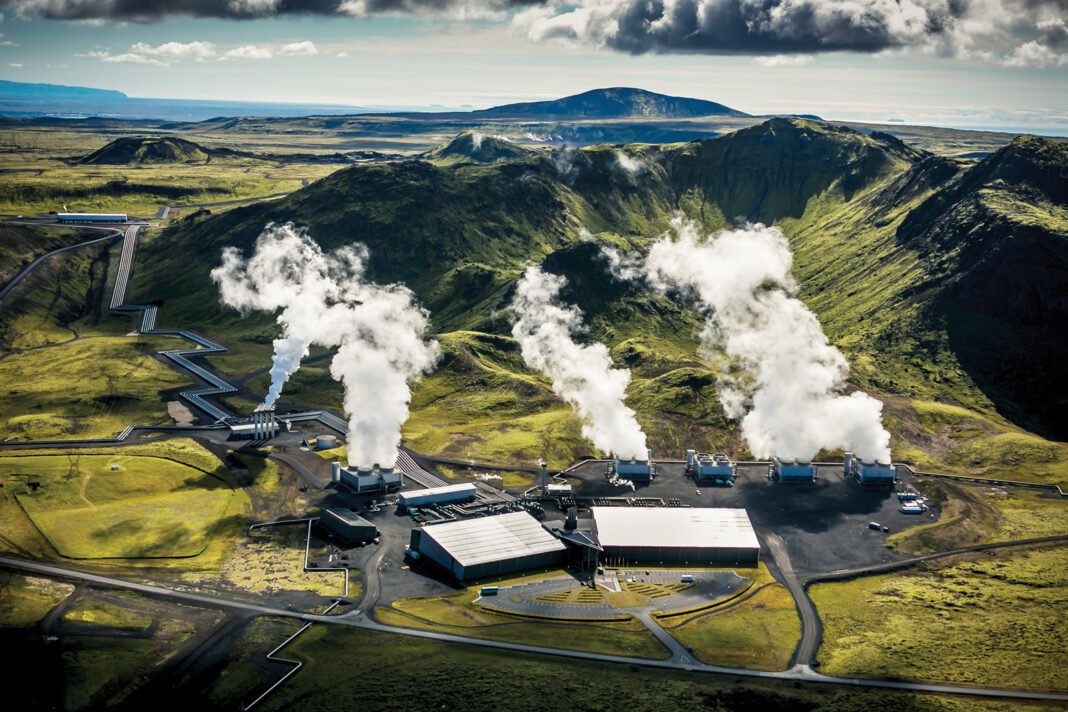
Project Obsidian will start as an enhanced geothermal system, using established oil-and-gas drilling methods. The approach fractures subsurface rock and pumps in water to create artificial reservoirs. The surrounding rock heats the water, which returns to the surface to drive turbines.
Quaise intends to go deeper and hotter than a conventional geothermal plant. After drilling about 2.5 miles with conventional tools, it plans to switch to millimeter-wave drilling, which uses high-frequency beams from a gyrotron to melt and vaporize rock. The target is superhot rock above 572 degrees Fahrenheit, which the company says would yield more energy from fewer wells.
Quaise said it drilled through more than 330 feet of granite at its field site in central Texas last year, and it is now working to reach depths beyond 3,200 feet at the same location. The company was founded in 2018 and has raised $180 million in Series B financing, with a strategic drilling partnership with Nabors Industries. It has also been selected for potential federal development support of up to $25 million.
Quaise projects its method could produce up to 10 times more energy per well than existing methods. The method is still unproven at commercial scale, and the Wall Street Journal noted that the technology has not been proven at that scale.
Why Google wants geothermal power
Google is spreading its bets across early-stage energy technologies, including long-duration energy storage and advanced nuclear power. “The scale of power that we’re looking for and also the scale of impact we’re trying to have on the grid requires us to foster that ecosystem,” Lucia Tian, who leads Google’s advanced energy technologies team, told the Wall Street Journal.
Tian’s team looks for technologies that can scale up to the size of Google’s demand, and the Quaise deal is one of several bets the company has placed on new forms of clean power. Data centers need power around the clock, and solar and wind cannot always provide it.
Geothermal plants run steadily, which is why technology companies have started signing deals for next-generation plants. Quaise is one of at least four US geothermal companies to land agreements with tech giants, according to Canary Media.
The first phase of Project Obsidian will use conventional drilling, so power production does not depend on the millimeter-wave method working at once. The more experimental drilling is planned for a later phase of the project.
Deliveries are described as possible from 2030, not guaranteed, and the project still needs reservoir development, financing, regulatory approvals and construction. If it works, the deal would give Google a steady source of clean power for its Oregon data centers.