
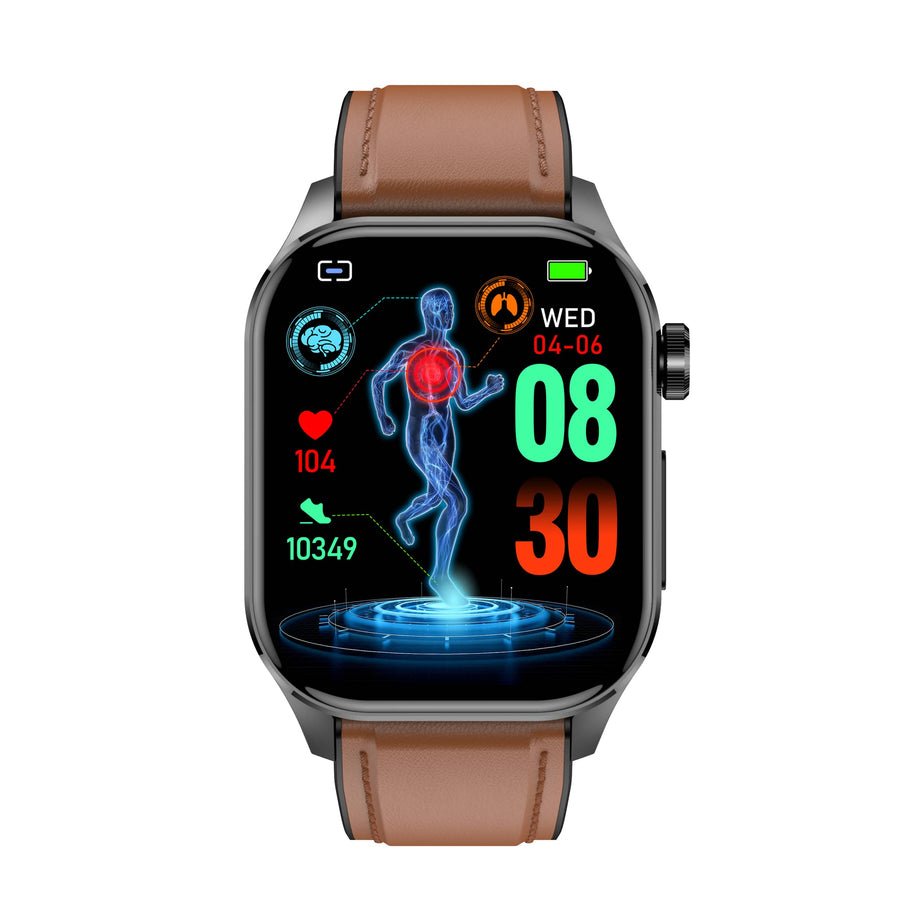


Around 90% of Indian consumers use health apps or wearables, compared with about 80% globally, according to PwC India’s latest report, Voice of the Consumer 2026: India perspective. The report also found that 81% of Indian consumers are willing to pay more for wearable data that health professionals can trust, against 65% globally. The figures point to a country where digital tools for health have become part of daily life, and where trust in the data now shapes what people will spend.
The report is part of a global study of 21,808 consumers across 27 countries and territories, surveyed in February and March 2026, with in-depth interviews with industry leaders alongside. The India chapter draws on 1,005 respondents across 15 states and two union territories, covering major metros and tier-2 and tier-3 urban hubs.
Ravi Kapoor, Partner and Leader for the Retail and Consumer Sector at PwC India, said the shift runs deeper than gadget sales. “We are witnessing a structural shift in how India approaches health, with consumers moving from reactively receiving acute care to proactively managing their own well-being,” he said. He added that the next task is to turn measurement into meaning: “While technology has made health measurable, the next challenge is to make it meaningful, and that requires bringing together what has traditionally remained fragmented: everyday consumer food choices, digital tools and clinical expertise.”
How health apps became everyday tools
Health apps and wearables now support fitness, nutrition, sleep and well-being, the report says. The tools count steps, track sleep, log meals and record heart rate, and for many users they have become the first place they look to see how their body is doing. The next opening for companies lies in helping users of health apps turn that stream of data into useful guidance, by linking self-tracking with personal advice and ongoing support.
The health apps habit sits inside a wider change in how Indians eat and live. More than half of Indian consumers regularly track what they eat: 53% track protein intake, against 35% globally, while 50% track fibre and 49% track calories, against 33% globally for each. Home cooking is also more common, with 42% always preparing their own meals, against 30% globally.
The report found that 42% of Indian consumers exercise every day, more than twice the global average of 19%. Yet among respondents with health and wellness goals, 67% named stress, fatigue or low energy as obstacles. Food safety shapes choices too, with 71% very or extremely concerned about pesticides and 67% about microplastics, against 46% globally for microplastics.
Trust decides what health apps are worth
The report’s clearest message is that trust, not technology alone, decides what people will pay for in health apps. The 81% of Indian consumers willing to pay more for wearable data trusted by health professionals compares with 65% globally, a gap that suggests Indians place a high value on clinical backing for the numbers on their screens. Kapoor put it plainly: trust is the source of value, not a by-product of it.
That demand for proof shows up in food choices as well. The report found that 44% of Indian consumers expect to increase fresh produce consumption a great deal, with 24% saying the same for dairy and 19% for plant-based protein. Foods aimed at longevity, including high-protein and gut-health products, lead among qualified buyers in India at 22%, against 17% globally.
The report groups Indian consumers into five types. Data-driven optimisers, who favour technology-backed, expert-led solutions, are the largest group at 29%. Value-seeking optimisers follow at 21%, then social wellness seekers at 19%, holistic harmonisers at 13% and low-engagement consumers at 19%.
What comes after tracking
The report’s authors see the market moving from counting to caring. Health apps have made tracking easy; the harder job is to connect the data with a doctor’s judgement, a diet plan or a fitness routine that a person can keep up. Companies that link digital tools with clinical expertise stand to gain most, because that link turns a reading on a watch into a decision about health.
For consumers, the change is already visible in daily routines, and health apps now sit at the centre of them: a morning check of sleep data, a logged lunch, a step count at night. The question the report raises is whether the advice built on top of health apps will earn the same trust as the devices themselves. The 81% figure suggests that Indians are ready to pay for data they can rely on, and that the firms that prove their numbers will set the terms of the next phase of digital health in India.