


Dell launches Nvidia RTX systems across the United States to capture rising market demand for local AI workstations. The hardware rollout targets enterprise users seeking powerful processing capabilities directly on their devices.
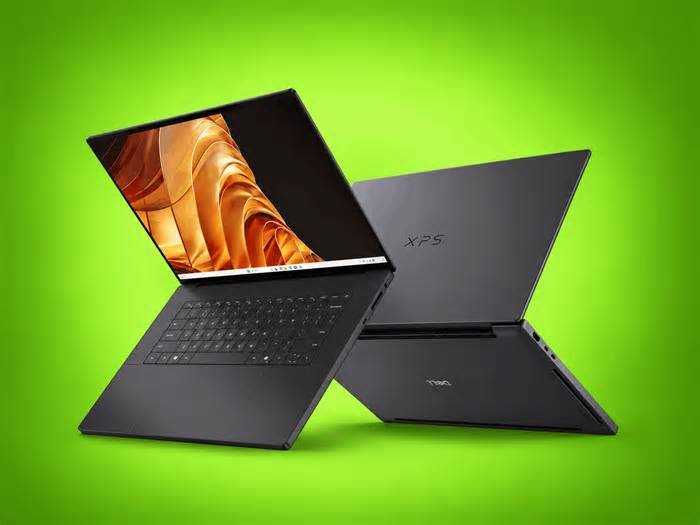
Industry observers note that the release signifies a major push into localized computing architectures.
Why Dell launches Nvidia RTX models now
This technology release addresses growing corporate requirements for advanced artificial intelligence processing power. Enterprise clients increasingly demand high-performance components to execute complex algorithms locally. Computing manufacturers are rushing to update their hardware portfolios to support these emerging workloads.
- Advanced Processing: High-performance central processing units manage demanding enterprise software efficiently.
- Visual Fidelity: High-refresh-rate panels deliver sharp clarity for professional graphic workflows.
- Power Retention: Large battery capacities support extended mobile productivity sessions.
Technical specifications of the hardware
The newly revealed hardware configuration includes an 18-core central processing unit designed for heavy workloads. A vibrant 3.2K 120Hz OLED display provides exceptional visual clarity for creative professionals. A substantial 99 Wh battery supplies adequate energy for mobile operations throughout the workday.
Pricing details for the configuration reveal a significant financial investment for enterprise buyers. Units can cost up to $7,000 depending on the selected custom specifications and memory upgrades. These premium price points reflect the high-end components integrated into the portable chassis.
Industry competition and market reception
Dell launches Nvidia RTX devices alongside competing hardware from rival manufacturers in the region. Recent industry leaks from HP and formal announcements from ASUS highlight a broader sector trend. Competitors are simultaneously introducing similar artificial intelligence personal computers to capture market share.
Dell Technologies officially positions these Windows systems at the center of the new agentic computing era. The manufacturer emphasizes local processing advantages to reduce reliance on cloud infrastructure. Enterprise customers can expect these high-end configurations to roll out across commercial channels.
Market analysts anticipate further pricing adjustments as additional hardware manufacturers finalize their distribution schedules. Corporate procurement teams continue evaluating these advanced options for upcoming hardware refresh cycles. Manufacturers will monitor early sales figures to gauge enterprise adoption rates for local intelligence tools.
Background and next steps
Dell launches Nvidia RTX Spark laptop with 18-core CPU, 3.2K 120Hz OLED display and 99 Wh battery NotebookcheckASUS ProArt RTX Spark AI PCs: Local Agentic AI | ASUS ASUS PressroomThe first Nvidia RTX Spark laptops cost up to $7,000 The VergeDell Technologies Drives the Agentic AI Era with New Windows PCs and Workstations Business WireNvidia RTX Spark laptop prices seemingly revealed by HP leak Mashable
The story remains in motion, and readers should watch for official updates as more facts are confirmed.
Public interest is likely to stay high while new details emerge from reporters and officials.
Early claims should be treated cautiously until primary sources corroborate them.
Coverage of Dell launches Nvidia RTX continues to evolve as more details become available.