
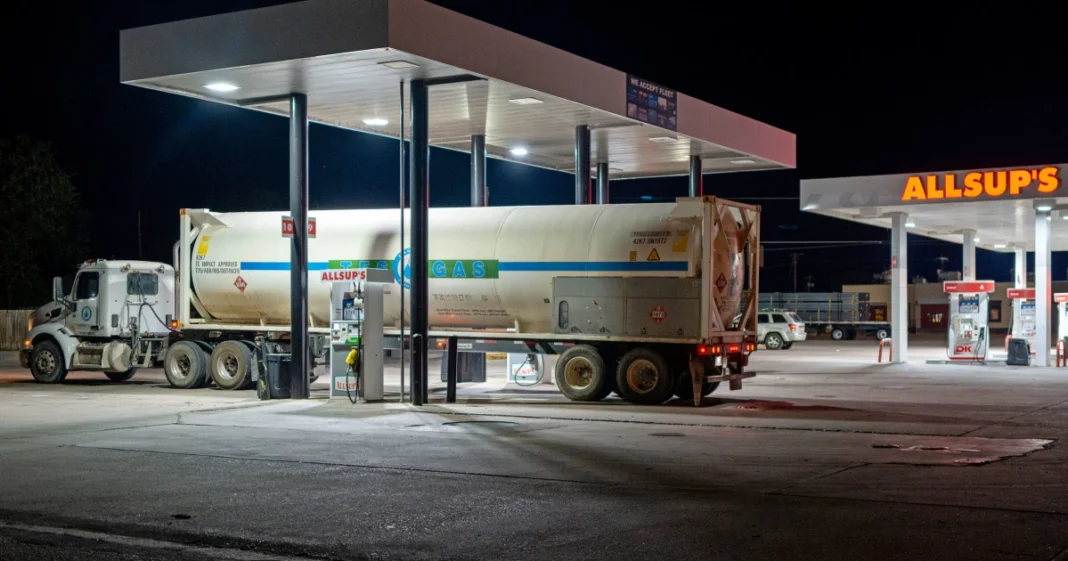


G7 countries to release up to 100 million barrels of diesel and crude oil reserves to address soaring global energy costs. This coordinated international emergency response comes after intense diplomatic pressure from the United States.
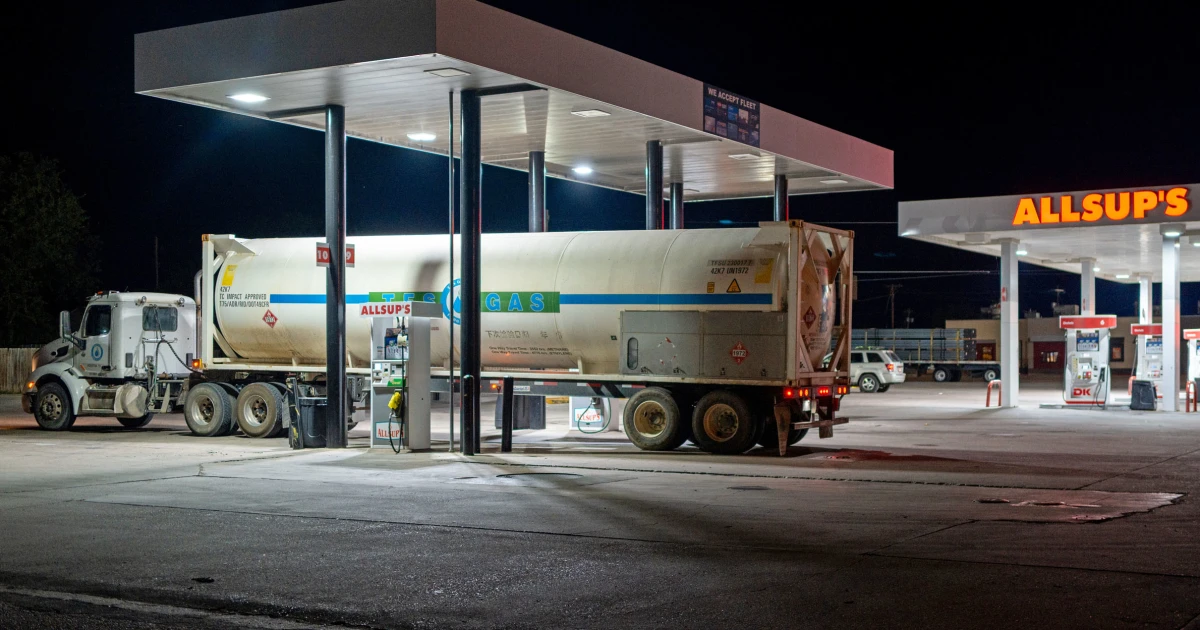
The decision represents a major intervention by the world’s leading economies to stabilize volatile global fuel markets and alleviate heavy financial pressure on consumers.
This major development comes at a critical juncture for the global economy. High inflation and skyrocketing fuel prices have strained household budgets and threatened industrial output worldwide.
By releasing these strategic stockpiles, global leaders aim to inject immediate liquidity into tight energy markets and suppress surging retail prices.
Why G7 Countries to Release Energy Stocks Matters Now
The agreement highlights a significant shift in international energy policy. The United States has aggressively lobbied its partners to take decisive action against escalating fuel costs. This pressure reflects deep domestic concerns within the American political landscape as leadership navigates complex economic headwinds.
The timing of the decision is highly strategic for Washington. The push for the agreement intensified directly ahead of the upcoming United States midterm elections. Controlling domestic fuel prices remains a key priority for the current administration to manage voter sentiment.
European nations initially showed hesitation regarding a massive coordinated drawdown. However, facing sustained diplomatic pressure from Washington, European leaders ultimately agreed to the plan. This concession highlights the geopolitical influence the United States maintains over its allies during global crises.
The core details of the strategic release focus on key energy products:
- Diesel Stocks: A substantial portion of the release targets diesel, which is vital for transport.
- Crude Oil: Millions of barrels of crude will also enter the global supply chain.
- Global Coordination: Multiple member states will contribute proportionally to the overall volume.
- Market Stabilization: The primary objective is cooling down runaway global energy benchmarks.
The massive scale of this intervention has surprised many market analysts. The plan for G7 countries to release up to 100 million barrels represents one of the largest coordinated efforts in history.
It signals the severity of the current supply crunch affecting both sides of the Atlantic.
Prior to this agreement, diesel prices had reached historic highs in both Europe and North America. Diesel serves as the lifeblood of global commerce, powering freight trucks, trains, and agricultural machinery. High diesel costs directly inflate the price of consumer goods and food.
Through the decision by G7 countries to release these critical supplies, officials hope to prevent a deeper industrial recession. Tight refining capacity has made diesel particularly scarce in recent months. Injecting millions of barrels of refined products aims to provide immediate relief to transport sectors.
The energy crisis has been particularly acute in Europe. The continent has struggled with restricted supply lines and high import costs. Despite these domestic challenges, European governments recognized the necessity of a unified stance with their American counterparts.
This coordination underscores the shared economic vulnerabilities among the world’s wealthiest democracies. The agreement for G7 countries to release emergency fuel reserves demonstrates a willingness to prioritize market stability over long-term strategic storage preservation.
Refining industries across the globe have operated at near-maximum capacity for months. Despite this, they have struggled to keep pace with resurgent post-pandemic demand. This supply-demand imbalance has driven the price of refined products far above standard crude benchmarks.
Because of this disparity, the decision by G7 countries to release diesel specifically is highly significant. Most historical strategic releases have focused primarily on unrefined crude oil. This targeted approach aims directly at the bottleneck currently driving transportation costs higher.
Economists warn that while a stockpile release offers short-term relief, it does not solve underlying structural issues. Long-term underinvestment in refining infrastructure continues to limit global fuel production capacity. Consequently, the temporary boost in supply may only provide a brief window of price stability.
Nevertheless, the immediate market psychological impact cannot be underestimated. The joint commitment by G7 countries to release such vast quantities sends a clear signal to energy traders. It demonstrates that major economies are prepared to act aggressively to cap runaway fuel inflation.
As the rollout begins, market participants will closely monitor the distribution of these reserves. The logistics of moving millions of barrels of oil and diesel onto the market will require careful coordination.
Energy departments across the member nations are tasked with executing this complex operation swiftly.
Looking ahead, the long-term impact of this release on national strategic reserves remains a point of debate. Draining these emergency stockpiles leaves participating countries with reduced buffers against future supply shocks.
Rebuilding these reserves in the future could also create sustained upward pressure on energy prices.