


Hormuz transits at lowest levels in more than two months following a series of recent attacks on commercial vessels in the strategic Middle Eastern waterway, industry tracking data shows.
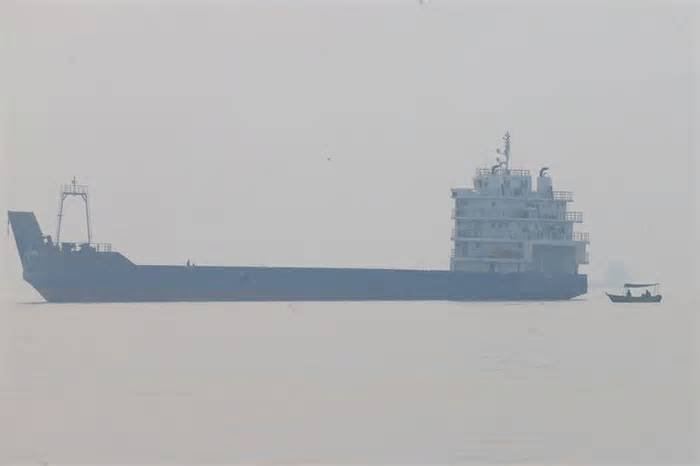
This sharp decline in maritime traffic has disrupted global energy supplies. Consequently, major shipping companies and international energy markets are preparing for prolonged regional instability.
The current shipping slowdown carries immense global significance as the Strait of Hormuz remains the world’s most critical energy transit chokepoint. Approximately one-fifth of the world’s liquefied natural gas (LNG) and oil passes through this narrow passage daily.
Consequently, any prolonged disruption to this trade route immediately threatens to inflate energy prices. This directly impacts consumer economies and manufacturing sectors worldwide.
Geopolitical Friction and Rising Crude Prices
The drop in vessel traffic comes amid escalating regional frictions. Recent maritime incidents have prompted shipping operators to avoid the corridor entirely, seeking safer alternative routes for their valuable cargoes.
These security concerns have directly influenced the Brent crude oil market. Prices have steadily held above the $100 per barrel mark as traders price in the heightened risk of supply disruptions.
Security experts warn that the escalation represents a calculated effort to exert political leverage. The timing of the attacks coincides with shifting political dynamics in major importing nations.
Specifically, the increased maritime tension is raising domestic pressure in the United States. Observers note that these developments occur as the nation approaches critical midterms, complicating federal energy policies.
Global Supply Fears Rise as Hormuz Transits at Lowest
Industry analysts emphasize that having Hormuz transits at lowest rates since early autumn could trigger a broader shipping crisis. Vessel tracking data confirms that fewer tankers are willing to risk passage.
"The current shipping environment is highly volatile," noted one maritime analyst. "When Hormuz transits at lowest points during peak winter demand, the entire global logistics network feels the strain."
This slowdown has already begun affecting key European and Asian markets. These regions rely heavily on uninterrupted flows of Middle Eastern crude to power their industrial bases and heat homes.
In response to the risk, some regional exporters are altering their maritime strategies. For instance, Qatar has begun moving empty liquefied natural gas vessels back into the Gulf.
This calculated maneuver suggests a potential export boost as the nation prepares to maximize output once security stabilizes. Analysts view the positioning as an essential preemptive measure.
The Brewing Liquefied Natural Gas Crisis
The sudden drop in tanker movement occurs during an existing global energy crunch. International markets are already struggling with limited alternative natural gas supplies, amplifying the impact of the transit drop.
With major supply lines restricted, energy analysts warn of severe economic consequences. European nations, in particular, remain highly vulnerable to sudden shifts in LNG delivery schedules.
This vulnerability has forced utility providers to seek alternative supply agreements. However, replacing the massive volumes that typically flow through the strait remains an incredibly difficult task.
"We are looking at an unprecedented alignment of supply challenges," reported a senior energy strategist. "The fact that Hormuz transits at lowest levels right now worsens an already fragile situation."
Shipping insurance premiums have also skyrocketed in response to the recent maritime attacks. Underwriters are demanding significantly higher fees to cover vessels entering the volatile Gulf region.
These added operational costs are ultimately passed down to global consumers. Higher transport expenses directly increase the landed cost of both crude oil and refined petroleum products.
Strategic Responses and Future Logistics
To mitigate these rising risks, international shipping conglomerates are exploring longer, alternative trade routes. Bypassing the Gulf entirely, however, adds thousands of miles and weeks of travel time to journeys.
This routing diversion further depletes the available global tanker fleet capacity. Fewer available ships inevitably lead to higher spot freight rates across all major maritime shipping lanes.
Further, national governments are reviewing their strategic petroleum reserves. Utilizing these emergency stockpiles could temporarily stabilize domestic energy markets if Hormuz transits at lowest volumes persist for another month.
Naval coalitions are also increasing their presence in the surrounding waters to deter further attacks. Enhanced surveillance and armed escorts are being considered to restore shipping industry confidence.
Despite these security measures, ship owners remain highly cautious about sending vessels through the strait. The decision to resume normal operations depends entirely on a sustained period of peace.
Looking ahead, market participants will closely monitor daily transit data for signs of recovery. Until shipping volumes rebound, global energy prices are expected to remain highly sensitive to any further security incidents.
Coverage of Hormuz transits at lowest continues to evolve as more details become available.