
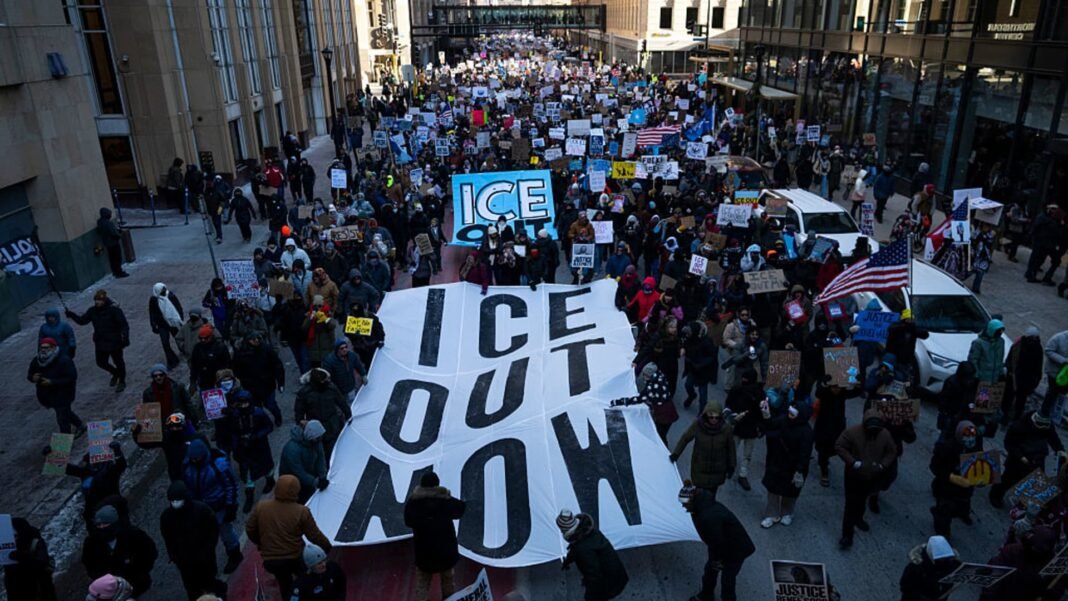


ICE came to town and left behind weakened economies across several regions of the United States, raising urgent questions among lawmakers and business leaders regarding federal enforcement strategies.
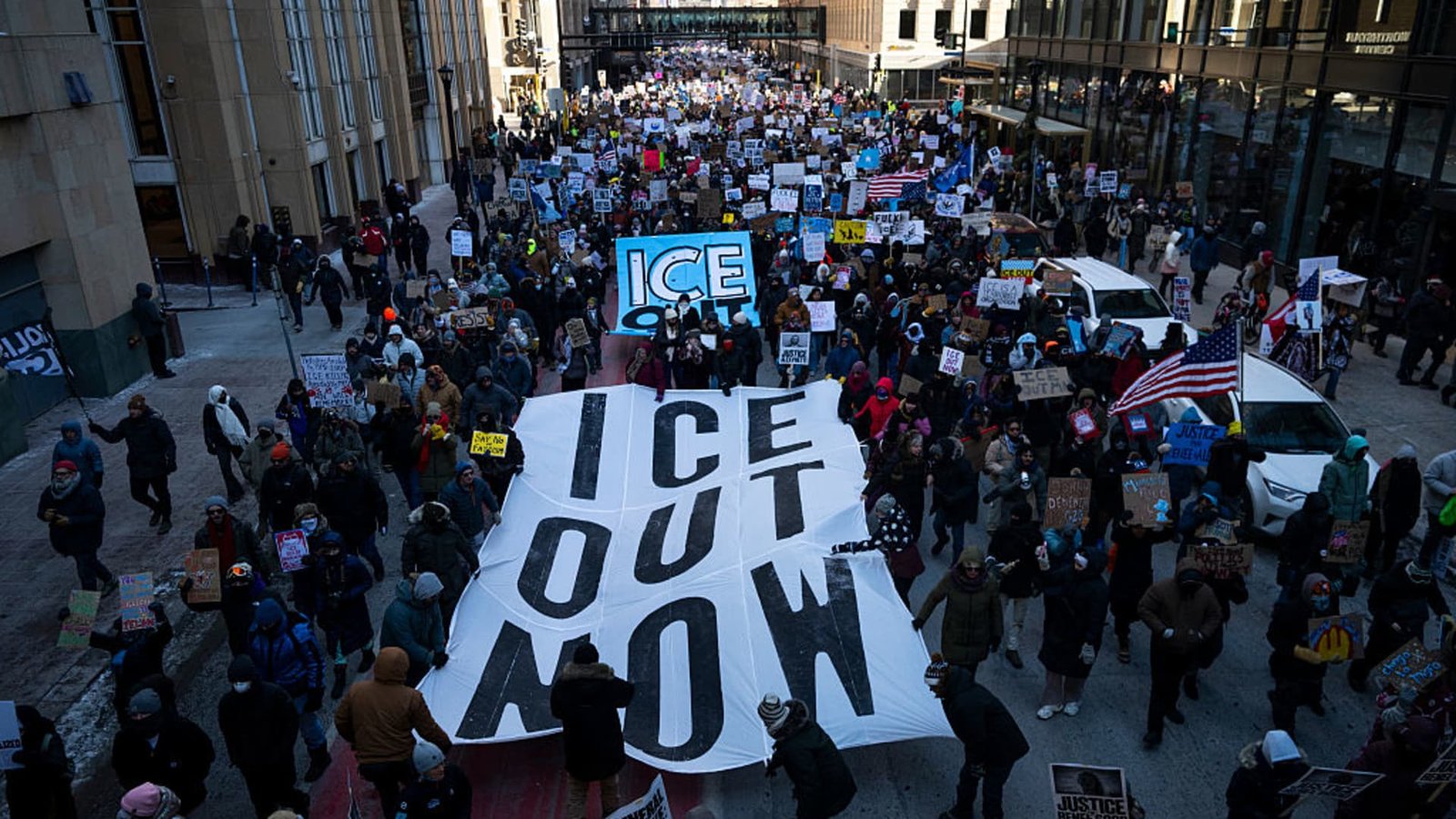
Recent economic reports and analyses highlight a troubling trend where federal immigration enforcement actions correlate with sharp downturns in local commerce. The phenomenon has sparked intense debate over the broader financial repercussions of sweeping deportation agendas on domestic markets.
The timing of these developments coincides with an escalating affordability crisis affecting households nationwide. As federal operations intensify, communities face mounting pressure that extends well beyond immigration policy into core economic stability.
Financial analysts point out that sudden labor force disruptions directly undermine regional business productivity and consumer spending.
The Financial Toll When ICE Came to Town
When ICE came to town, local merchants often experienced immediate drops in customer foot traffic and daily revenue. The unexpected removal of workers creates severe labor shortages in industries heavily reliant on immigrant populations.
Small business owners struggle to fill open positions, which ultimately limits their operational capacity and growth potential.
- Sudden workforce reductions disrupt daily operations.
- Consumer spending declines sharply in affected commercial districts.
- Local employers face mounting difficulties in recruiting reliable staff.
- Affordability crises worsen as supply chains face labor constraints.
Lawmakers in states like Minnesota and Illinois are currently reviewing the profound fiscal damage caused by operations such as Operation Metro Surge. Reports indicate that these aggressive actions cost local taxpayers millions of dollars while destabilizing municipal budgets.
Business groups emphasize that regulatory and enforcement approaches must account for these heavy collateral costs.
Civil rights organizations, including the American Civil Liberties Union, argue that current enforcement priorities exacerbate economic hardships for vulnerable populations. Analysts tracking employment metrics note a distinct ripple effect touching retail, agriculture, and service sectors.
Without careful evaluation of these financial burdens, regional markets risk prolonged stagnation.
Looking ahead, local chambers of commerce and state legislators are urging federal agencies to reassess the financial consequences of large-scale operations.
Lawmakers plan to introduce comprehensive reviews to measure the exact losses sustained by municipal economies over the past fiscal year. Ongoing discussions will likely shape future policy frameworks as communities demand greater accountability and economic protection.
Background and next steps
ICE came to town and left behind weakened economies CNBCTrump’s Deportation Agenda Is Making the Affordability Crisis Worse American Civil Liberties UnionOperation Metro Surge Cost Minnesotans Millions. Lawmakers Can’t Ignore It. Twin Cities BusinessThe Economic Impact of ICE Arrests on Chicago International Legal and Business Services GroupUSA-ELECTION/ECONOMY-JOBS Buffalo News
The story remains in motion, and readers should watch for official updates as more facts are confirmed.
Public interest is likely to stay high while new details emerge from reporters and officials.
Early claims should be treated cautiously until primary sources corroborate them.
Coverage of ICE came to town continues to evolve as more details become available.