
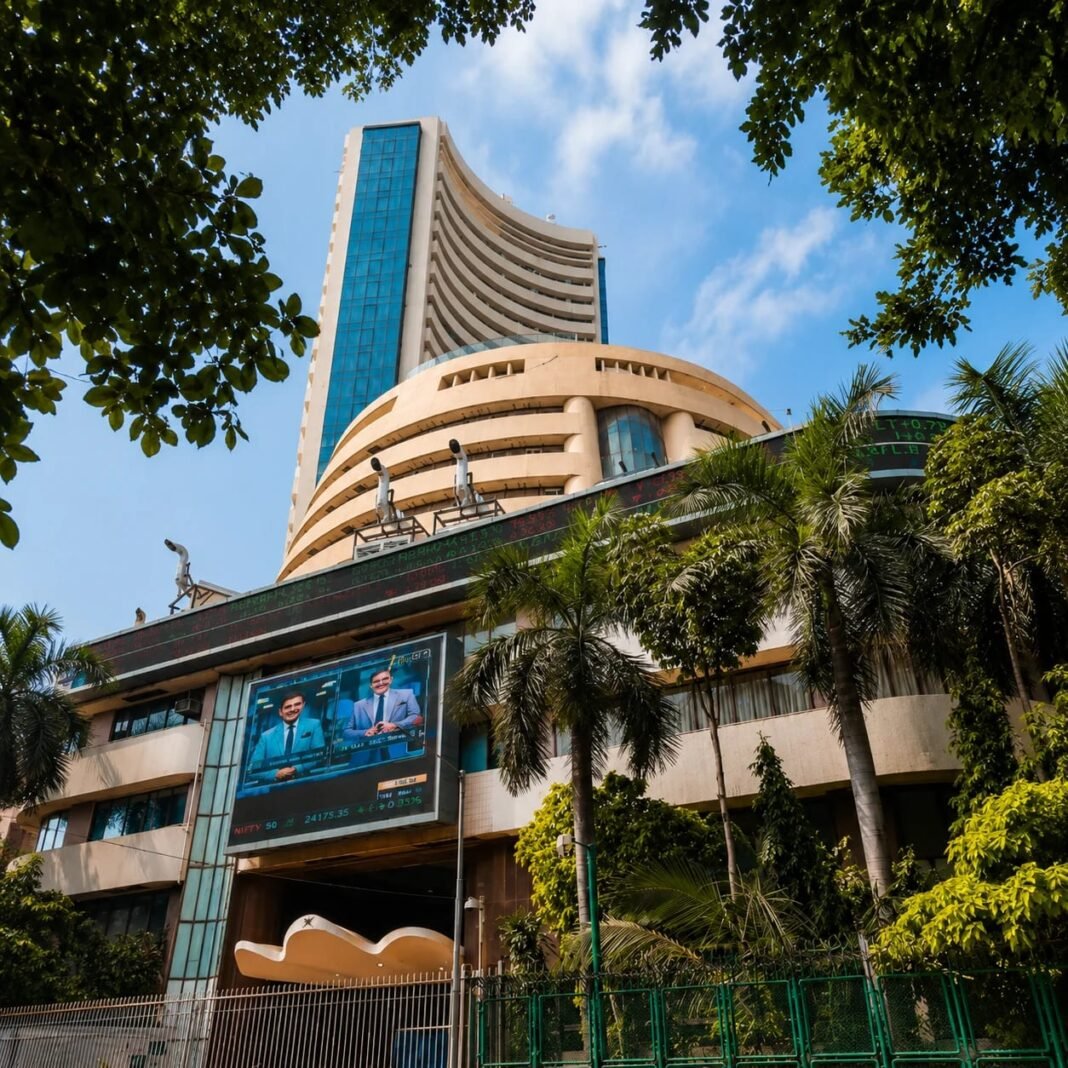


An India tax cut for foreign investors is under discussion as New Delhi tries to stop the flow of overseas money out of its stock market. The Securities and Exchange Board of India has recommended scrapping the long term capital gains tax on foreign portfolio investors, Reuters reported on 2 November, citing two sources with direct knowledge of the matter. No decision has been announced, and the final call rests with the Finance Ministry ahead of the Union Budget in February.
What the India tax cut plan covers
The India tax cut proposal centres on the 12.5 per cent long term capital gains tax that applies to listed shares held for more than a year, on gains above Rs 1.25 lakh in a financial year. SEBI has proposed removing that tax for foreign investors altogether. The regulator has also proposed exempting domestic mutual fund investors from the tax when they sell existing holdings to put the money into new schemes. Short term gains, taxed at 20 per cent, and the securities transaction tax are not part of the proposal as reported.
The India tax cut debate includes a second idea, which would let foreign investors work out their taxable gains in dollars rather than rupees. That matters because the rupee has weakened against the dollar, so a gain measured in rupees can look larger than the gain in the currency the investor reports in. The Finance Ministry has held talks with SEBI, tax officials, banks and industry representatives on the existing framework, according to Moneycontrol, and a government official told the outlet that a decision on restructuring is expected soon.
Why an India tax cut is on the table
Foreign investors have pulled more than $30 billion from Indian shares so far in 2026, after withdrawing $18.9 billion in 2025. Moneycontrol, citing Central Depository Services data, put the 2026 outflow at Rs 3.1 lakh crore, against Rs 1.7 lakh crore in the whole of 2025. Foreign holdings in Indian stocks have fallen to about 14 per cent, an all time low, according to the CNBC Inside India newsletter. Those numbers explain why the India tax cut is under discussion, and why the market is watching the Finance Ministry for a signal.
The India tax cut would not be the first attempt to win foreign money back. The selling did not start with the tax. It began in the autumn of 2024, when global investors judged Indian shares expensive after a fast run up, and it has continued through high global interest rates and uneven earnings. The government has already removed withholding tax and capital gains tax on foreign investment in government bonds, a change made on 5 June. State Bank of India went further in its Ecowrap report of 12 October, calling for the long term tax on shares to be abolished and the holding period stretched to two or three years.
India tax cut decision still to come
Finance Minister Nirmala Sitharaman has said the government is willing to consider suggestions on capital gains taxation, without committing to any change. The proposals form part of SEBI pre-Budget representations, which are not binding on the government. Brokerage firm Jefferies said in a note that any reduction in capital gains tax could make the market more attractive to foreign investors, while IIFL estimated that scrapping the tax could lift foreign investors returns by 2.3 percentage points.
Sceptics in the market argue that a tax change alone will not reverse the outflow. Valuations, global interest rates and earnings growth matter as much as the tax rate, and a cut would widen the fiscal deficit at a time when subsidy bills are rising and tax collections have slipped. ICRA has estimated a fiscal gap of Rs 2.85 lakh crore from rising subsidies and weaker collections. The fiscal cost is the main argument against an India tax cut, and the debate will sharpen as the February Budget approaches.
For now, the existing rules stay in force. Foreign investors still pay 12.5 per cent on long term gains above Rs 1.25 lakh a year, plus securities transaction tax on trades and withholding tax on dividends. SEBI and the Finance Ministry did not respond to Reuters emailed requests for comment at the time of its report. Until then, an India tax cut remains a proposal, not a policy, and the next public signal is likely to come in the pre-Budget consultations.