

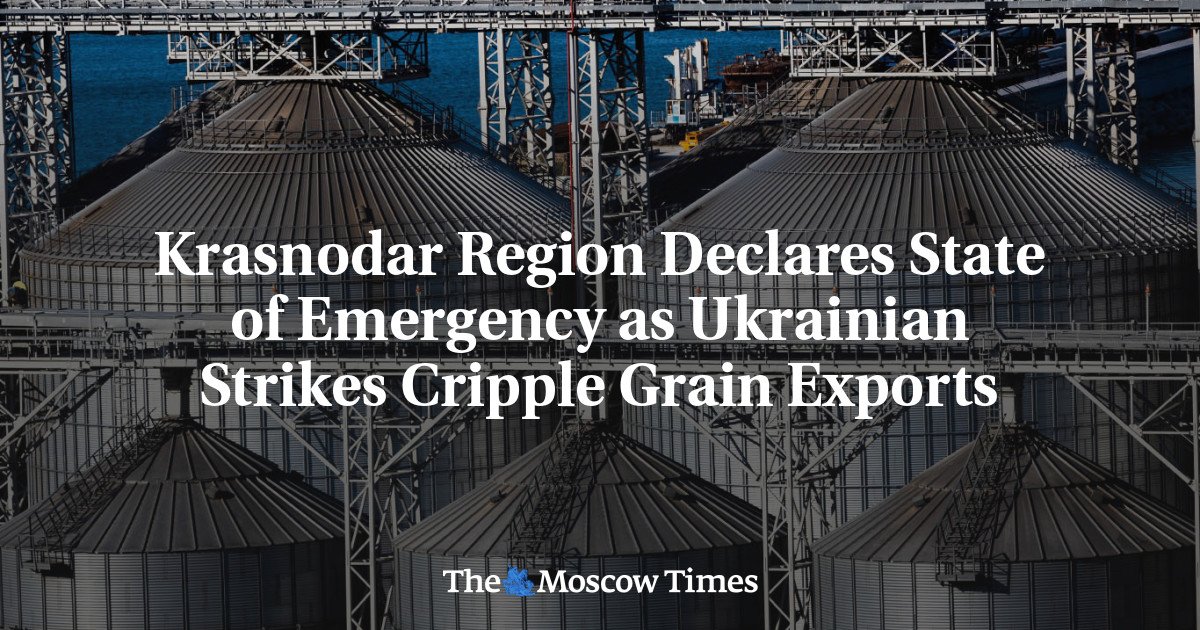
Krasnodar Region Declares State of emergency this week following intense military actions that have severely disrupted crucial agricultural supply chains and regional infrastructure. Local authorities confirmed that ongoing disruptions have brought agricultural transport to a standstill across key southern territories.

The sudden escalation has sent immediate shockwaves through international commodity markets, raising urgent questions about the safety of regional trade routes.
This dramatic development highlights the escalating vulnerability of vital Black Sea shipping lanes and agricultural hubs as the protracted conflict continues. Industry analysts warn that sustained interruptions in these crucial supply channels could trigger a severe global food supply shock.
Buyers worldwide are now bracing for significantly higher procurement costs as logistics deteriorate rapidly.
Why Krasnodar Region Declares State of Emergency
Regional authorities implemented the emergency protocols to manage mounting logistical crises and protect critical infrastructure from further damage. The region serves as a primary export artery for international wheat and grain shipments.
- Critical agricultural facilities face mounting operational disruptions.
- Transport networks experience severe bottlenecks due to ongoing military activity.
- Regional officials struggle to maintain baseline supply chain continuity.
International wheat buyers are closely monitoring these developments as inventories remain constrained. Market participants note that any prolonged blockage directly threatens international food security. Major importing nations are currently reevaluating their procurement strategies to mitigate potential supply deficits.
Financial institutions and commodity traders have immediately adjusted their forecasts to account for the sudden disruption. The ongoing blockade within the Black Sea theater has exacerbated fears of widespread shortages. Analysts emphasize that agricultural markets remain exceptionally sensitive to regional security shifts.
Market experts indicate that prices will likely remain volatile until normal shipping channels reopen. Developing disruptions continue to pressure global markets, driving up baseline costs for essential food staples. Supply chain managers are actively seeking alternative routes to bypass affected maritime corridors.
Industry stakeholders expect further regulatory interventions if trade conditions deteriorate further across the south. Government officials continue to assess the full economic impact of the ongoing infrastructural damage. International observers remain on high alert as the broader geopolitical situation continues to evolve.
Background and next steps
Krasnodar Region Declares State of Emergency as Ukrainian Strikes Cripple Grain Exports themoscowtimes.comThe Other Hormuz: Black Sea Blockade Threatens a Food Supply Shock Bloomberg.comPutin Humiliated as Top Crony Admits Grim Truth The Daily BeastWheat buyers brace for higher costs as Russia-Ukraine war drags on reuters.comWar Throttles Black Sea Grain Exports, Threatening Food Supplies WSJ
The story remains in motion, and readers should watch for official updates as more facts are confirmed.
Public interest is likely to stay high while new details emerge from reporters and officials.
Early claims should be treated cautiously until primary sources corroborate them.
Coverage of Krasnodar Region Declares State continues to evolve as more details become available.
Readers watching Krasnodar Region Declares State should look for official updates in the coming hours.


