
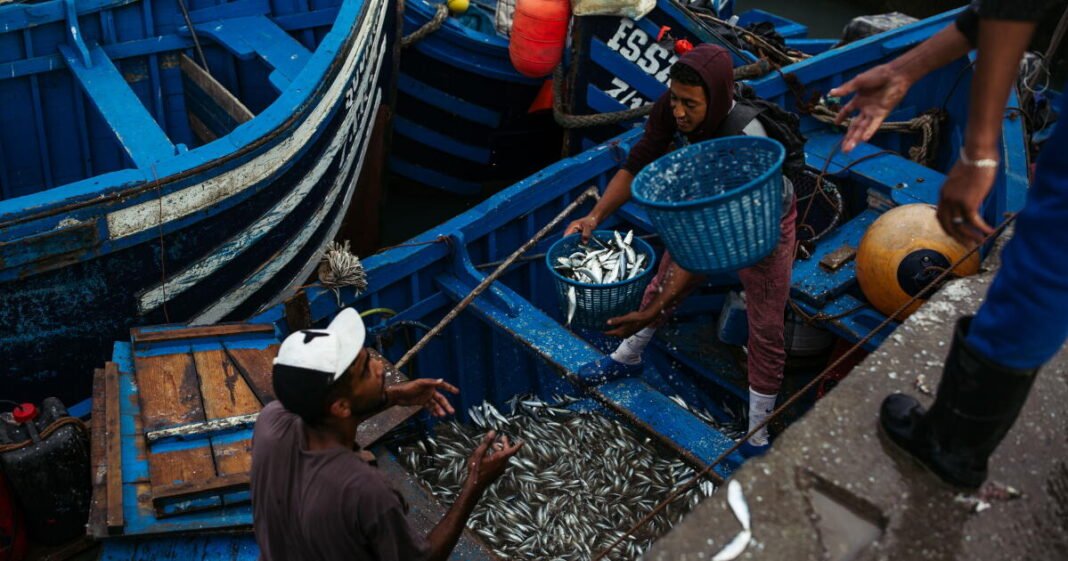


The hidden cost of farmed fish is drawing intense scrutiny across the United States as new investigations reveal severe environmental and human rights abuses tied to global seafood production.
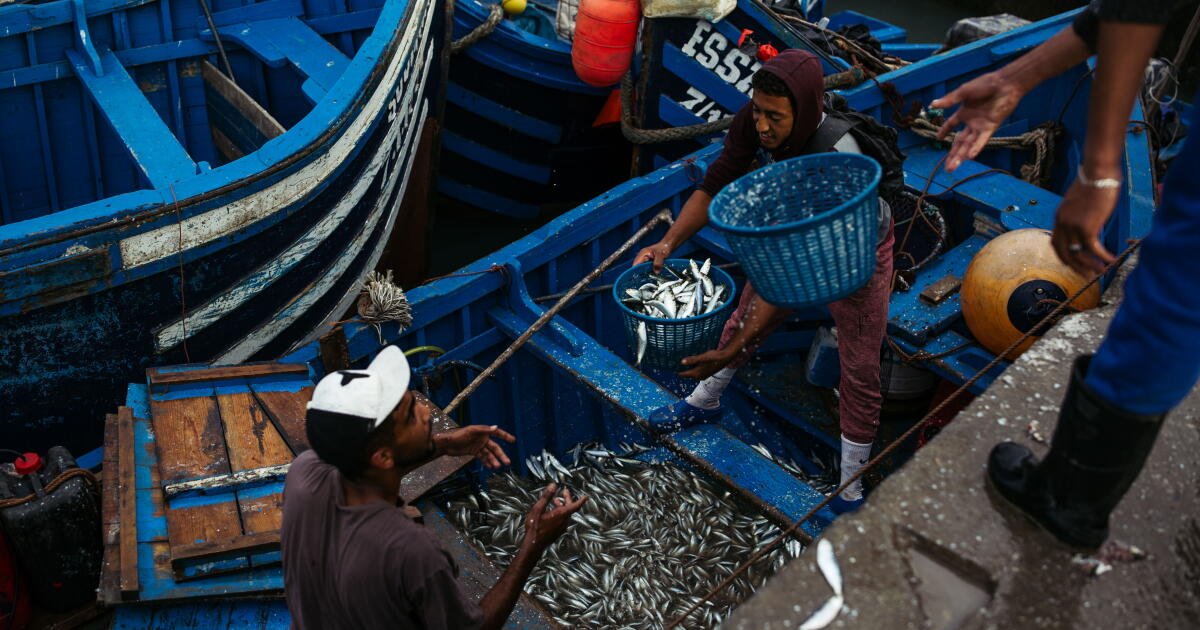
Major media outlets, including the Los Angeles Times, The New York Times, and The Boston Globe, have published extensive reports detailing the dark reality behind popular grocery store seafood items.
Consumers purchasing sustainable salmon or everyday whitefish often remain unaware of the vast ecological damage and ethical violations occurring throughout the international supply chain.
This emerging crisis highlights systemic flaws in how aquatic livestock is raised, fed, and brought to international markets.
Global seafood supply chains face mounting pressure to reform as investigative journalists uncover widespread issues in aquaculture operations.
While aquaculture was initially promoted as a sustainable alternative to wild-caught fishing, modern industrial fish farms often exacerbate ecological decline rather than relieve pressure on marine ecosystems.
The hidden cost of farmed fish extends far beyond local coastal waters, impacting developing nations where feed ingredients are sourced and harvested under unregulated conditions.
Regulatory bodies in the United States and abroad are now forced to reevaluate import standards and labeling transparency to protect both consumers and vulnerable workforces.
The hidden cost of farmed fish and supply chain crises
Recent investigations have mapped out complex global trade routes, revealing how local consumption habits in Western nations drive severe environmental degradation abroad.
Investigations by organizations like CBC and international reporting from France 24 demonstrate that seafood feed production heavily impacts marine biodiversity. Key problems identified in recent reports include:
- Extensive marine pollution originating from overcrowded netting enclosures.
- The widespread depletion of wild fish populations utilized strictly for fishmeal production.
- Severe human rights abuses and forced labor practices documented within international feed supply networks.
Environmental experts warn that current aquaculture practices are largely unsustainable over the long term. Industrial facilities generate massive waste plumes that smother local seabed habitats and spread diseases to native aquatic species.
Meanwhile, workers in overseas processing and feed-harvesting sectors frequently endure exploitative conditions that go largely unchecked by current trade agreements.
Industry stakeholders and policymakers are facing urgent demands to overhaul auditing procedures for imported aquaculture products. Upcoming regulatory reviews in the United States aim to establish stricter oversight regarding feed sourcing and labor standards.
Consumer advocacy groups continue to push for transparent labeling to ensure shoppers understand the real implications of their dietary choices.
As public awareness grows, the seafood industry must confront these systemic failures to regain consumer trust and prevent irreversible damage to global marine ecosystems.
Background and next steps
The hidden cost of farmed fish: Pollution, forced labor and the depletion of wild fish Los Angeles TimesThe Dirty Secret Behind the Farmed Fish You Eat The New York TimesThat ‘sustainable’ farmed salmon you plan on cooking tonight? It comes with a dangerous catch. The Boston GlobeFrance’s seafood problem starts elsewhere France 24What is your seafood eating? Investigation traces problems in global feed supply CBC
The story remains in motion, and readers should watch for official updates as more facts are confirmed.
Public interest is likely to stay high while new details emerge from reporters and officials.
Early claims should be treated cautiously until primary sources corroborate them.
Coverage of The hidden cost of continues to evolve as more details become available.