


About four in ten Indians may have fat building up in the liver without knowing it, and doctors say the answer is to find the condition earlier and at a lower cost. Fatty liver screening is the gap in the chain: the disease is common, it is often silent and the tests that find it are either too late or too costly for most people. A large study from the Phenome India cohort, published in The Lancet Regional Health: Southeast Asia, estimates that roughly four in ten Indians have fat in the liver that is not caused by alcohol, and a smaller share already show early scarring.
Fatty liver screening and the scale of the burden
The numbers point the same way in other studies. Apollo Hospitals’ 2026 Health of the Nation report found that among people whose routine health check results looked normal, nearly three in four showed signs of fatty liver when examined more closely. A 2025 review of 62 studies covering 40,745 people in South Asia, most of them in India, put the pooled prevalence of the condition at 34.7 percent, rising to 60 percent among people with type 2 diabetes. The authors cautioned that the studies varied widely, so 34.7 percent should not be read as a single national figure, but the direction is clear. The studies agree that fatty liver screening has to reach people who feel well.
Union Minister Dr Jitendra Singh, who is himself a diabetologist, has said every third Indian has fatty liver, and that it often comes before type 2 diabetes and other metabolic disorders. He was speaking at the launch of the Indo-French Liver and Metabolic Disease Network, a virtual node set up at the Institute of Liver and Biliary Sciences in New Delhi to prevent and treat metabolic liver disease. The condition, once called non-alcoholic fatty liver disease, was renamed metabolic dysfunction-associated steatotic liver disease, or MASLD, in a 2023 international consensus, to reflect its link with metabolic health rather than alcohol. The rename is part of the reason fatty liver screening is now framed as metabolic care.
Fatty liver screening tests available now
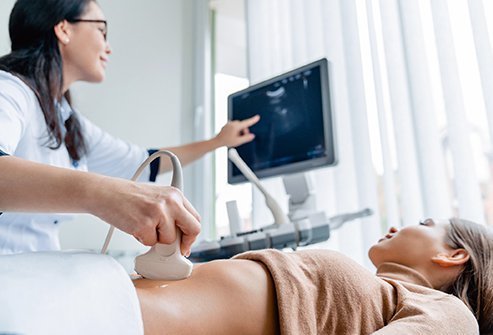
The tests that find the condition are not new. An ultrasound of the abdomen is simple, widely available and inexpensive, and it can show fat in the liver and give it a grade. The FIB-4 score is a calculation rather than a new test, using age and the SGOT, SGPT and platelet counts that are usually already on a patient’s reports, to estimate whether scarring is likely. FibroScan, a painless scan that measures liver stiffness and fat, is used when the ultrasound or FIB-4 suggests a closer look is needed. City Imaging and Clinical Labs has launched FibroScan at its Dwarka branch in response to the government’s call for earlier detection. The three tests together are the backbone of fatty liver screening in India today.
The problem is that these tests are rarely done until something else goes wrong. Routine check results can look normal while fat is building up, and many people are never sent for an ultrasound of the liver at all. Doctors say the fix is to add liver checks to the screening that already happens for diabetes, blood pressure and weight, so the condition is found while it can still be reversed by changes in diet, activity and weight. That is the practical case for fatty liver screening as part of routine checks.
Can AI make fatty liver screening affordable
Artificial intelligence is being tried as a way to make that screening cheaper. At the ET Healthcare Awards 2026, Debtaru Upadhyay said early detection can change the entire course of liver disease, and pointed to large-scale screening programmes, diabetes-liver clinics and FibroScan as tools that find patients at risk before the disease becomes severe. He said AI and large datasets can help doctors understand how the disease progresses, sort patients by risk and decide on treatment sooner. The promise is that AI can make fatty liver screening cheap enough to offer widely.
Bihar has shown what large-scale screening looks like in practice. The state launched a doorstep campaign across all 38 districts to screen about six crore people aged 30 and above between 2 September and 30 November 2026, with frontline workers visiting homes for preliminary checks and counselling. More than 85 lakh residents had baseline assessments in the first fortnight of September. A parallel project, Healthy Liver, Healthy Bihar, run with the Institute of Liver and Biliary Sciences, aims to evaluate about 26 lakh high-risk people over 18 months. The question for fatty liver screening now is whether AI tools can bring the cost of that kind of reach down far enough for the rest of the country.