


The health advice from the director of the All India Institute of Medical Sciences in New Delhi fits in seven words: eat food, not too much, mainly plants. The AIIMS director health mantra comes from Dr Nikhil Tandon, who took interim charge as director of AIIMS Delhi in April 2026 and also heads its department of endocrinology and metabolism. He set out the advice in an interview ahead of World Diabetes Day on 14 November, warning that about half of the people in India who have diabetes do not know it until they are screened.
AIIMS director health mantra on food
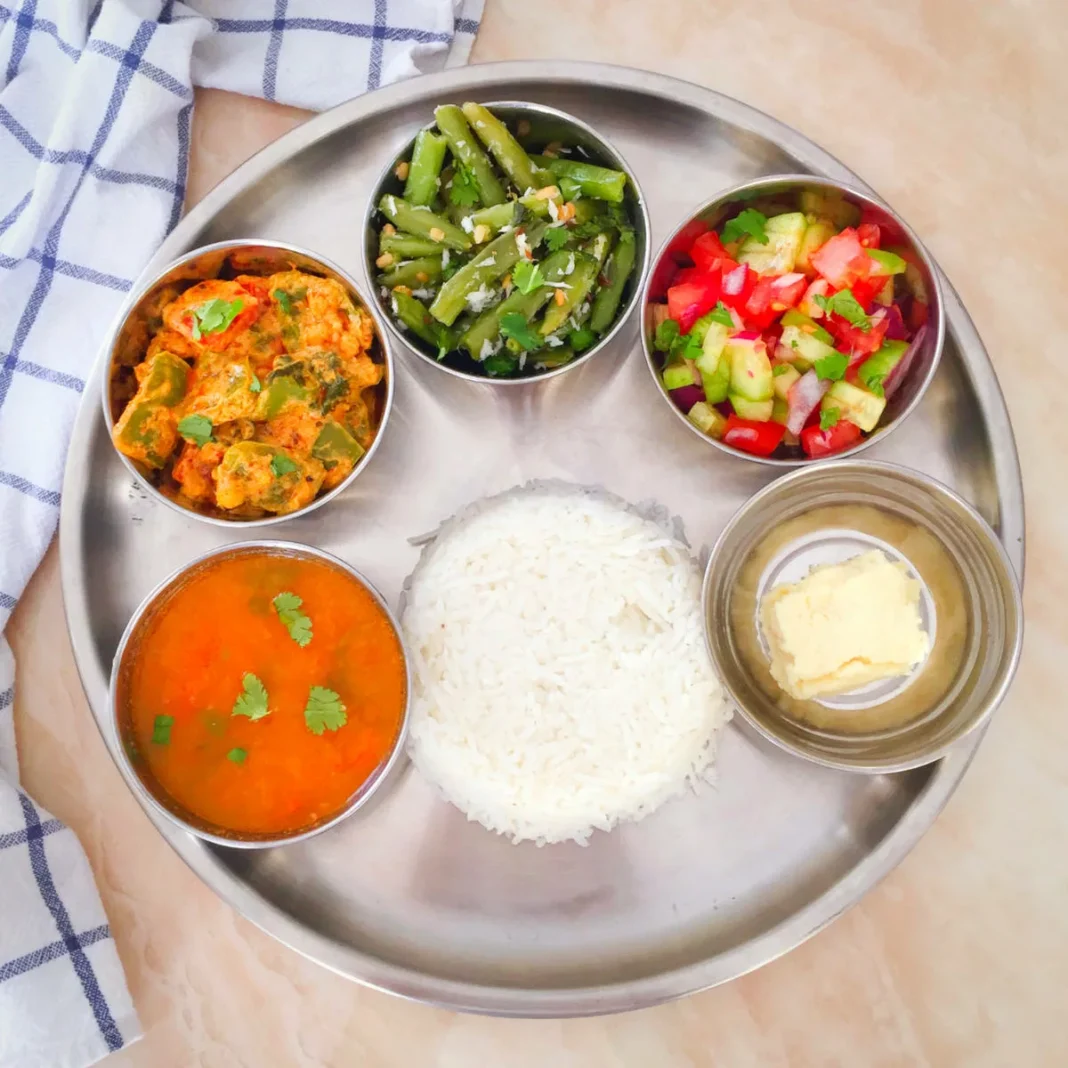
Tandon’s point is about whole meals rather than single ingredients. He said people trying to prevent or manage diabetes should focus on the food on the plate as a whole, rather than only cutting out sugar. That means non-starchy vegetables, legumes, whole grains and lean proteins, with variety across the day, instead of a narrow focus on one item to avoid. Whole fruit, he said, is generally better than juice, because the fibre it keeps slows down how quickly sugar is absorbed. That is the food half of the AIIMS director health mantra.
He also advised against eating only two very large meals a day, a pattern that can cause steep rises in blood sugar after eating. Spreading food across the day in smaller, balanced meals helps keep those rises in check. He addressed the idea that people with diabetes must avoid certain fruits, chocolates or rice, saying the picture is more complicated than a list of banned foods, and that portion size and the rest of the meal matter as much as any single item. The meal pattern is the second part of the AIIMS director health mantra.
AIIMS director health mantra on sleep and stress
Food is only part of the advice. Tandon said managing stress through good sleep is part of preventing diabetes, alongside diet and physical activity. His closing prescription, as set out in the interview, was to be careful with diet, build regular physical activity into the day and work on stress and sleep. The combination, rather than any one change, is what he recommends to people at risk. Sleep and stress complete the AIIMS director health mantra.
The warning behind the advice is about how silently diabetes develops. Under what doctors call the rule of halves, around 50 percent of those with the condition are estimated to remain undiagnosed until they are screened. Tandon said type 2 diabetes is appearing more often in younger people, including adolescents, driven by lifestyle, diet and body weight. He also noted that belly fat matters for Indians even when a person looks slim, and that gestational diabetes raises the future risk of type 2 diabetes eight to 10 times. The silent spread of the disease is why the AIIMS director health mantra is aimed at prevention.
AIIMS director health mantra and diabetes care
Tandon also spoke about pre-diabetes and the newer weight-loss drugs known as GLP-1 drugs, saying remission is not a cure and that people need to understand what the medicines can and cannot do. The interview covered the questions people ask most often: why type 2 diabetes is showing up earlier, whether sugar is poison, whether honey and jaggery are safer, whether people with diabetes can eat mangoes, bananas or apples, and whether a single day of overeating undoes weeks of care. His answers kept returning to the same ground: informed choices about food, movement and rest. The questions show how much people want plain answers, and the AIIMS director health mantra gives them one.
The advice fits a wider push at AIIMS to treat food and lifestyle as clinical subjects. In July 2026, a national symposium at AIIMS New Delhi on lifestyle, diet and nutrition heard calls for nutrition and lifestyle teaching to be built into medical education, and a textbook on the subject was released at the event. Tandon’s own message is shorter than any textbook, and it is the one the AIIMS director health mantra carries: eat real food, do not eat too much of it, and let plants take up most of the plate.