
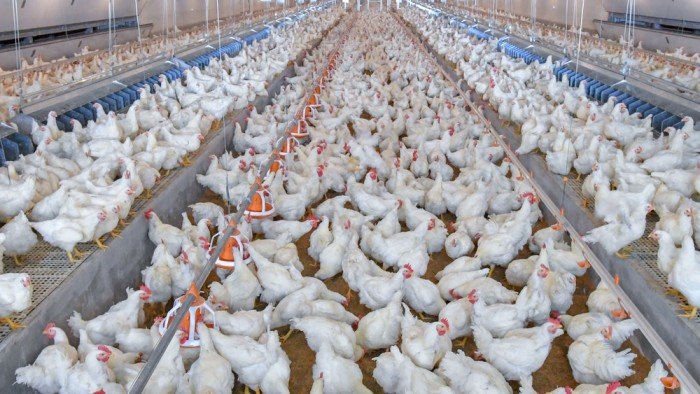


Bird flu is spreading through dairy cattle and poultry flocks across the United States, and health officials say the start of the seasonal flu season adds a new risk. The H5N1 virus has been confirmed in dairy herds in six states in the past 30 days and in poultry flocks in 17 states over the same period, according to data from the Centers for Disease Control and Prevention.
The bird flu virus has been blamed for at least one human death in Washington state, where the outbreak has been severe. A man in Yakima County with underlying health conditions died on 1 November after exposure at a dairy with infected cattle. It was the first bird flu death in the United States this year and the third since 2024.
Health officials have confirmed 75 human cases of bird flu in the United States since 2022, and most have been linked to contact with infected dairy cattle or poultry rather than spread between people. The CDC still describes the risk to the general public as low, while people who work directly with infected animals face greater exposure.
Why bird flu worries scientists now
Jennifer Nuzzo, director of the Pandemic Center at Brown University School of Public Health, said scientists have watched H5N1 for decades. “This H5N1 virus has been the top of our future pandemic worry list for a really long time, for 25 years,” she told Scripps News. The fear is that the virus could change as it keeps passing through animals and people.
One worry is the overlap between bird flu and seasonal influenza. As seasonal flu infections rise, scientists warn that avian and human flu viruses could infect the same host and swap genetic material, which could produce a virus able to spread between people. No sustained human to human transmission of H5N1 has been found in the United States so far.
Bird flu reaches new states and herds
Washington confirmed its first H5N1 infections in dairy cattle on 8 October, when federal and state laboratories found the virus in two Yakima County herds. Within weeks the state total reached 43 herds, nearly all in Yakima County, with two more in neighbouring Benton County. Three human infections have been confirmed in Yakima County, including the man who died.
Indiana became the 21st state with infected dairy cattle on 2 November, when federal laboratories confirmed the B3.13 genotype in a dairy herd there. Oregon followed on 10 November, becoming the 22nd state since the dairy outbreak began in March 2024. Genetic analysis by the US Department of Agriculture linked the Washington cattle infections to virus moving from Idaho, probably through cattle movements.
Farm workers in the bird flu outbreak may be going untested
The United Farm Workers union warned on 11 November that the official human case count may miss many infections. The union said dairy workers in the Yakima Valley had reported symptoms consistent with avian influenza but had not been tested, and it called the official figures a vast undercount. The union has not given laboratory proof of extra cases or a verified estimate of how many workers may be affected.
Union representatives said some workers were reluctant to seek testing or to miss work, and they linked that reluctance to worries about lost wages, job security and immigration enforcement. The union warned that increased immigration enforcement could discourage agricultural workers from reporting possible infections or seeking help from public health agencies.
Mink farm outbreak adds to concern
A separate bird flu outbreak has raged for more than two months on a mink farm in Utah, where thousands of animals are raised for fur. The farm, C and T Fenn Farms, is about an hour south of Salt Lake City. It is the first such outbreak in mink in the Americas, and the animals were fed raw cattle organs, according to a ProPublica investigation.
Mink have respiratory systems with cell features close to those found in humans, which is why flu specialists watch outbreaks in the animals with care. A 2024 study of the dairy strain found that a single mutation could shift the virus toward human type receptors. For now, bird flu remains mainly an animal health threat, and the CDC said people should avoid contact with sick or dead birds and animals.