
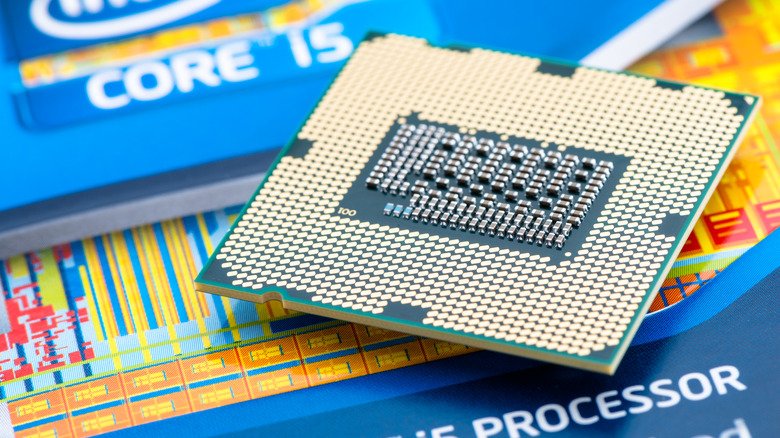


An Intel lawsuit filed by shareholders accuses the US chipmaker of defrauding them by concealing the impact of a prolonged slowdown in personal computer sales that caused its stock price to plunge nearly 29% in a single day.
The Intel lawsuit, a proposed class action, was filed on Friday in the federal court in San Jose, California. It is led by the City of Southfield Fire and Police Retirement System, a Michigan pension fund, and it names chief executive Lip-Bu Tan and chief financial officer David Zinsner as defendants.
The Intel lawsuit seeks unspecified damages for investors who bought Intel shares between 23 July and 29 October 2026. It says Intel was too slow to disclose how slowing PC sales and a build-up of unsold stock would weigh on revenue, even as the company pointed to gains from data centre construction and the wider AI boom.
What the Intel lawsuit alleges
The complaint says Intel’s deteriorating PC sales and excess inventory outweighed the gains from data centres and AI, and that the company kept that picture from investors for months. Shareholders say the delay left them holding shares priced on a view of the business that did not match the reality inside it.
The lead plaintiff is the retirement system for firefighters and police officers in Southfield, Michigan. It says it bought Intel shares during the period covered by the suit and lost money when the price fell. Other shareholders who bought in the same period can join the case if the court allows the Intel lawsuit to proceed as a class action.
Intel has not commented publicly on the filing. The Intel lawsuit is a proposed class action, which means a judge must decide whether it can proceed on behalf of the wider group of shareholders who bought during the period covered by the suit.
The October plunge behind the Intel lawsuit
On 29 October, Intel announced weaker than expected fourth-quarter revenue and profit projections and warned of an extended slump in the PC market. The guidance disappointed investors who had expected the AI boom to lift the chipmaker’s fortunes more quickly.
Shares fell 28.6% on 30 October, wiping out about $140 billion of market value in a single day. It was one of the sharpest one-day falls for a large US chipmaker in recent years, and it came a day after the company set out its weaker outlook.
The fall was driven by the PC business, which remains a large part of Intel’s revenue even as the company invests in data centres and AI chips. A prolonged slowdown in PC sales, combined with a glut of inventory, meant the company was selling fewer chips and holding more stock than it could move.
Shareholder lawsuits of this kind often follow sharp falls in a company’s share price, and they turn on what the company knew and when it told investors. Intel will have to show that its disclosures kept pace with the deterioration in its PC business, or the case could move towards a settlement or a trial.
The Intel lawsuit names Tan and Zinsner in person, not just the company, which is common in cases where shareholders say senior managers knew about the problems and said nothing. The complaint says the two men were responsible for the statements investors relied on when they bought the shares.
Intel shares and the road ahead
Intel shares closed on Friday at $59.66. The stock is up 62% this year through Friday, although it has slid from its recent peak of $142.35 on 30 June.
The Intel lawsuit adds to the pressure on Tan, who is leading a turnaround effort at the Santa Clara, California-based company. Intel has been cutting costs, reshaping its manufacturing plans and trying to win back ground in data centres and AI, where rivals have moved faster.
The court will now decide whether the Intel lawsuit can proceed as a class action. If it does, Intel will have to answer the claim that it hid the scale of the PC slowdown from investors who bought its shares in the months before the October plunge.