
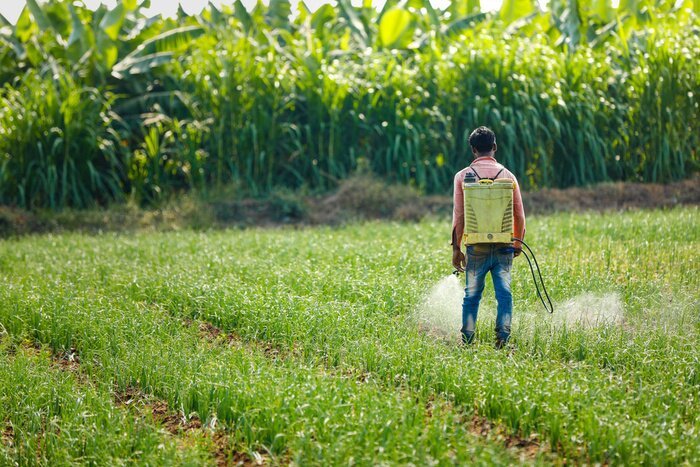


Bangladesh and India each declared a paraquat ban in September 2026, in a move the World Health Organization said could save thousands of lives and protect brain health. The WHO reported the decisions on 12 November 2026, and said the two countries now join more than 70 countries that have prohibited the chemical.
Paraquat is a herbicide used to clear weeds from farm fields, and it is regarded as one of the most dangerous agricultural chemicals in use. It is acutely toxic, which means a small amount can kill, and it has been linked to suicide, Parkinson disease and risks to the safety of farm workers.
The paraquat ban in each country covers the whole country. It removes from sale a chemical that has long been kept in farm stores and homes in rural areas, where it has been within easy reach of people in distress and of workers who handle it without protection.
Paraquat ban follows evidence from three countries
The WHO said evidence from South Korea, Malaysia and Sri Lanka shows that national bans on paraquat and other acutely toxic pesticides led to large falls in pesticide-related suicides and in overall suicide rates. The same evidence showed the bans did not reduce agricultural productivity in those countries. The paraquat ban in each country follows the same pattern seen in those three countries, where the removal of the chemical came first and the fall in suicides followed.
Globally, the WHO estimates that one in five suicides is attributable to the ingestion of acutely toxic pesticides. Many of those deaths happen in rural communities, where a lethal chemical is often the nearest means of self-harm and where medical help can be hours away.
Restricting access to a lethal means works because it breaks the short window in which an impulsive act becomes irreversible. A person in acute distress who cannot reach paraquat has time to be found, to receive support and to be treated. The WHO describes this as one of the clearest suicide prevention measures available.
Brain health risks behind the decision
The case for the paraquat ban goes beyond suicide prevention. Long-term exposure to toxic pesticides has been linked to brain health and neurological risks among agricultural workers, and to neurodevelopmental disorders among children.
Paraquat has also been linked to Parkinson disease, a condition that affects movement and worsens over time. The paraquat ban also limits contact for farm workers, who face repeated exposure through spraying, mixing and handling treated crops, and for children in farming households, who can be exposed through drift, water and stored containers.
The WHO said the bans will protect agricultural workers, children and people in distress, and will advance brain health as well as suicide prevention. The organisation has worked with governments, civil society groups, researchers and health workers on the issue for years.
Paraquat ban adds to a global phase-out
Guidance from the WHO and the Food and Agriculture Organization of the United Nations supports the paraquat ban, with material to help pesticide regulators phase out acutely toxic pesticides linked to suicide. The material includes the International Code of Conduct on Pesticide Management guidance on pesticide regulation to prevent suicide, a brochure on preventing suicide by phasing out highly hazardous pesticides, and a resource booklet for pesticide registrars and regulators.
A WHO study found that national bans on acutely toxic pesticides are among the most cost-effective interventions for mental health. The bans appear in the WHO Menu of cost-effective interventions for mental health, which governments use to choose measures that give the most benefit for the money spent.
In 2023, a resolution on chemicals adopted at the Seventy-sixth World Health Assembly included action on highly hazardous pesticides. Discussions at the Seventy-ninth World Health Assembly in 2026 kept the issue on the agenda. The First International Conference of the Global Framework on Chemicals, scheduled for November 2026, will advance global targets on chemicals, including the phasing out of highly hazardous pesticides from agriculture. The paraquat ban in the two countries is the latest step in that phase-out.