
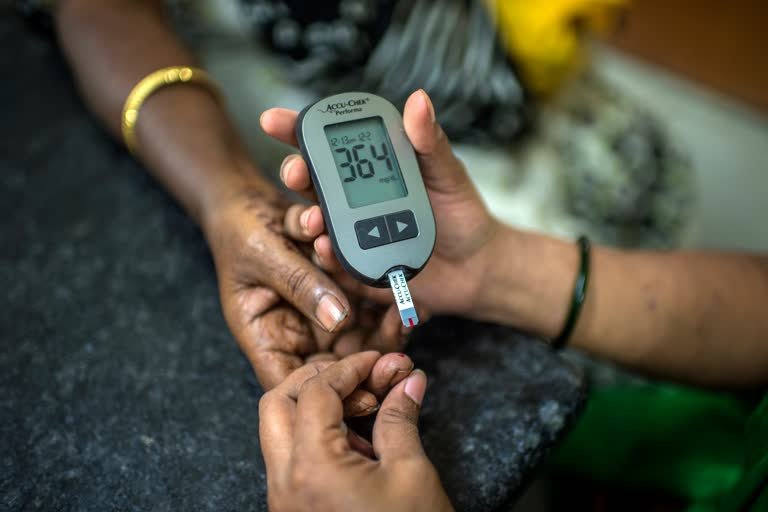


About 237 million people in India live with diabetes or prediabetes, according to figures from a national study, and many of them do not receive the steady care the condition needs over years. The ICMR-INDIAB study estimated that about 101 million people had diabetes and 136 million had prediabetes. The two figures together come to 237 million. AkosMD India, a health technology company that works on long-term care for the condition and other chronic illnesses, has drawn attention to the gap between finding the condition and looking after people who live with it. A diagnosis is often only the first step. Blood sugar has to be checked again and again, medicines reviewed, and damage to the eyes, kidneys, nerves and heart watched for. When follow-up stops, problems can build up without warning.
Diabetes numbers behind the 237 million figure
The ICMR-INDIAB study, published in 2023, covered 113,043 people across 31 states and union territories. It put the share of people with diabetes at 11.4 per cent of those studied. It remains the most detailed national picture, because it tested people rather than relying on hospital records alone. Other estimates point in the same direction, even though the totals differ. The International Diabetes Federation put the number of adults aged 20 to 79 living with diabetes in India at about 89.8 million in 2024, with an age-standardised prevalence of 10.5 per cent. India had the second largest number of adults with diabetes in the world, after China.
The share of people who do not know they have the condition is large. The Federation estimated that about 43 per cent of adults living with the condition in India, or 38.6 million people, had not been diagnosed. Only 57 per cent had received a diagnosis. The World Health Organization has set a global target of diagnosing 80 per cent of people with diabetes by 2030. India would need about 2.07 crore more diagnoses to reach that mark, or about 13,700 new diagnoses every day until the end of 2030. Spending linked to the condition reached about USD 9.8 billion in India in 2024, much of it on treating complications. The Federation projects that the number of adults living with the condition in India could reach 156.7 million by 2050.
Diabetes care after diagnosis
A test result does not by itself keep a person well. Care has to continue after the first prescription, and the record on that point is weak. About half of newly diagnosed patients remain in regular follow-up after one year, according to doctors who spoke to the Financial Express. The other half drift away from clinics, often because they feel well, or because visits cost time and money. Blood sugar can stay high for years without symptoms, while damage to small blood vessels goes on quietly. By the time sight, kidney function or feeling in the feet is affected, treatment is harder and more costly.
Doctors say the gap can be narrowed with simple steps. A blood test called HbA1c shows average blood sugar over two to three months. A reading of 5.7 to 6.4 per cent points to the middle range, and 6.5 per cent or above points to the condition itself. People in the middle range can often delay or avoid a full diagnosis through weight loss, more movement and changes in diet. A trial in India known as D-CLIP found that structured lifestyle sessions cut progression to the full condition by 32 per cent. The result gives clinics a clear reason to act early, rather than waiting for a higher reading. The 2026 awareness campaign put the stress on early action, and on testing people who feel healthy but carry risk factors such as weight gain, a family history of the condition, or high blood pressure.
What steady care looks like in practice
AkosMD India works mainly with employers, offering connected health tracking and doctor-led care for staff with chronic conditions. Workers who are found to be at high risk stay under regular monitoring, with checks, reminders and consultations arranged through the programme. Amit Kumar, the founder and chief executive of AkosMD India, has said the programme pairs home devices that record readings with doctors who review them and adjust treatment. The approach reflects a wider shift in Indian health care, away from one-off consultations and towards care that follows a patient over months and years.
Public programmes face the same test on a far larger scale. Government data shows more than 36 crore screenings had been conducted by 31 October 2025. Testing can reach deep into the population. The harder part is what happens next, when a person with a high reading needs a second test, a treatment plan, and a date to come back.