
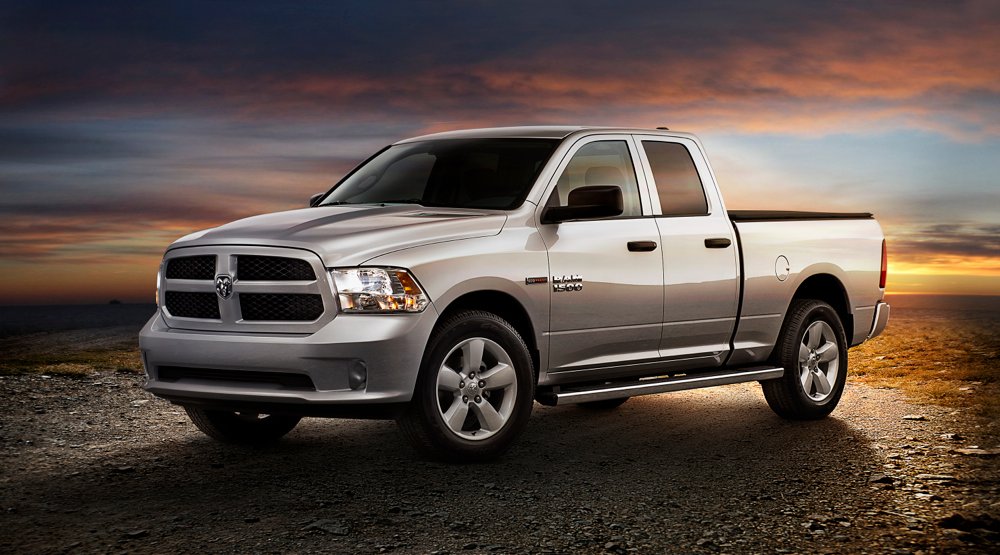


A Ram truck recall covering 82,843 pickups is under way after Stellantis found that brake software can misread the pedal and raise the risk of a crash.
Stellantis is recalling certain Ram 1500 Classic pickup trucks from the 2022, 2023 and 2024 model years. The anti lock brake module software may misread inputs from the brake pedal and the pedal sensor, which can lead to improper brake light illumination, unintentional vehicle movement, or a loss of driver assist features. The National Highway Traffic Safety Administration said the recall was announced on November 20, and it tracks the action as campaign 26V756.
The Ram truck recall also covers 669 Mopar anti lock brake control modules sold as parts. Stellantis, through its Chrysler unit FCA US, identified the campaign under its own number A9D.
What the Ram truck recall covers
The Ram truck recall covers certain 2022 to 2024 Ram 1500 Classic pickups built between September 12, 2022 and October 2, 2024. FCA US used vehicle assembly traceability records to work out which trucks carry the affected modules, so a vehicle identification number lookup is the only way for an owner to confirm whether a specific truck is included.
The Ram truck recall stems from software, not the brakes themselves. The anti lock brake module software may not properly adjust to normal changes in brake pedal position over time. When it misreads the pedal, the brake lights can light up without the driver pressing the pedal, and the truck can move without the driver intending it. The fault can also switch off driver assist features, including electronic stability control, AutoPark and forward collision warning. Autoblog reported that cruise control and traction control can also be affected, and that the truck can be shifted out of park without the brake pedal being pressed.
The Ram truck recall grew out of owner complaints. On February 5, 2026, the safety agency told FCA US about seven vehicle owner questionnaires reporting brake lights staying on and a loss of electronic stability control. FCA US opened a formal investigation on September 24, 2026. By October 21, the company had logged 12 customer assistance records, 6,001 warranty claims, 48 field reports and 5,310 additional service records potentially related to the issue. On November 12, 2026, its vehicle regulations committee decided a safety defect existed and approved a voluntary recall. The safety agency received the company's report on November 19, 2026.
Ram truck recall fix and owner timeline
Dealers will update the anti lock brake module software, free of charge. The new software will properly compensate for normal brake pedal movement over time. No parts need to be replaced. The fix is done at a dealership, not over the air, so owners will need to book a visit.
The modules were made by Aumovio Systems, based in Auburn Hills, Michigan. The company says the issue sits in the software inside the module, not in a mechanical part of the truck's braking system. The dealer reflash will replace the brake pedal adaptation algorithm so the module reads the pedal position correctly as it changes over time.
Owners can also check whether their truck is affected before the letters arrive. The safety agency says vehicle identification numbers will become searchable on its site from November 26, and it warns that a recently announced recall can be missing some VINs at first, so owners should check again if their truck does not show up.
The Ram truck recall timetable runs into the new year. Dealers are expected to be notified from November 26, 2026, and vehicle identification numbers will become searchable on the safety agency's website from the same date. Owner notification letters are expected to be mailed on January 14, 2027.
Owners who want an answer sooner can call Chrysler customer service at 800-853-1403 and keep the recall number A9D handy. The safety agency's recall lookup at nhtsa.gov/recalls accepts up to 100 vehicle identification numbers at once, which helps anyone looking after more than one truck. The Ram truck recall follows 152 complaints owners sent the agency about electronic stability control, exterior lighting and hydraulic service brakes on the vehicles this recall covers, all received before the recall was reported on November 19.