


Warnings go out about a lethal new synthetic opioid called cychlorphine that has prompted urgent alerts from health officials across the United States.
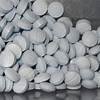
This highly toxic compound, reportedly ten times more powerful than fentanyl, is currently circulating in counterfeit prescription medication sold directly to consumers on social media platforms.
Texas emergency medical personnel and university student groups are now mobilizing to prevent potential mass casualties from this emerging public health threat.
The sudden emergence of cychlorphine marks a dangerous escalation in the national illicit drug crisis. As law enforcement struggles to intercept synthetic imports, this compound is bypassing traditional detection methods.
Because it resists standard emergency intervention tools like naloxone (Narcan), health providers face unprecedented challenges in treating active overdoses. This development has triggered immediate concern among parents, educators, and community leaders who are witnessing a spike in unexplained adolescent fatalities.
First responders in Austin, Texas, recently reported a worrying surge in overdoses that do not respond to standard doses of Narcan. Emergency medical services suggest these resistant cases indicate cychlorphine has successfully penetrated local drug networks.
University of Texas students have launched targeted awareness campaigns to educate peers about the hidden dangers of purchasing prescription medications online. Student organizations are using social media platforms to spread harm-reduction strategies and distribute testing resources.
The legal advocacy group Social Media Victims Law Center recently highlighted how drug dealers use social platforms to market these deadly lookalike pills. These platforms offer easy access and anonymity, making adolescents particularly vulnerable.
Warnings go out about Cychlorphine in the United States
Public health laboratories identify cychlorphine as a synthetic opioid that belongs to the benzimidazole class of compounds. It is structurally distinct from fentanyl but shares a similar, highly lethal mechanism of action in the human brain.
As official warnings go out about the chemical composition of cychlorphine, medical researchers note that it binds more aggressively to opioid receptors. This strong bond explains why multiple doses of overdose-reversal medications are often required to revive victims.
The spread of this drug is largely driven by its low production cost and extreme potency. Illicit manufacturers use the chemical to boost the strength of counterfeit oxycodone and Xanax pills, maximizing their black-market profit margins.
Public safety departments emphasize several critical facts regarding this emerging synthetic threat:
- Cychlorphine is extremely potent, with laboratory tests showing it is ten times more powerful than standard fentanyl formulations.
- Counterfeit pills mimic legitimate prescriptions so closely that visual identification of the adulterated tablets is virtually impossible.
- Social media platforms remain the primary distribution channel targeting high school and college-aged consumers.
- Standard naloxone protocols must be adjusted, often requiring emergency personnel to administer multiple doses to restore breathing.
Whenever government warnings go out about drug contamination, local community coalitions emphasize the importance of using certified pharmacies. Purchasing any prescription medication outside of official medical channels carries an extremely high risk of fatal poisoning.
The national response to cychlorphine is still in its infancy as toxicology laboratories adapt their screening protocols to identify the drug. Standard urine screens do not typically detect this specific benzimidazole variant, leading to potential underreporting of related deaths.
Because of these diagnostic gaps, epidemiological reports likely lag behind the actual penetration of the drug in the marketplace. Medical examiners are now updating their post-mortem testing panels to ensure accurate documentation of cychlorphine-related fatalities.
When regional warnings go out about new synthetic drugs, it is crucial for healthcare facilities to update their emergency response protocols. Staff must be prepared for patients who present with severe, persistent respiratory depression that defies traditional treatment.
Federal agencies are coordinating with international partners to trace the chemical precursors used to manufacture cychlorphine. Most of these raw materials originate from overseas laboratories before being pressed into pills in clandestine North American facilities.
Lawmakers are also reviewing current drug scheduling classifications to ensure law enforcement has the legal tools necessary to prosecute distributors. Emergency scheduling would allow federal prosecutors to levy harsher penalties against those selling the synthetic compound.
As school districts and universities prepare for the upcoming academic terms, administrators plan to integrate cychlorphine education into their standard health curricula. Collaborative efforts between local police and digital platforms aim to shut down illicit sales accounts.
The battle against this new synthetic threat requires a unified approach combining education, rapid laboratory testing, and targeted law enforcement. Every time nationwide warnings go out about counterfeit pharmaceuticals, the primary goal remains saving lives through widespread public awareness.
Coverage of Warnings go out about continues to evolve as more details become available.