
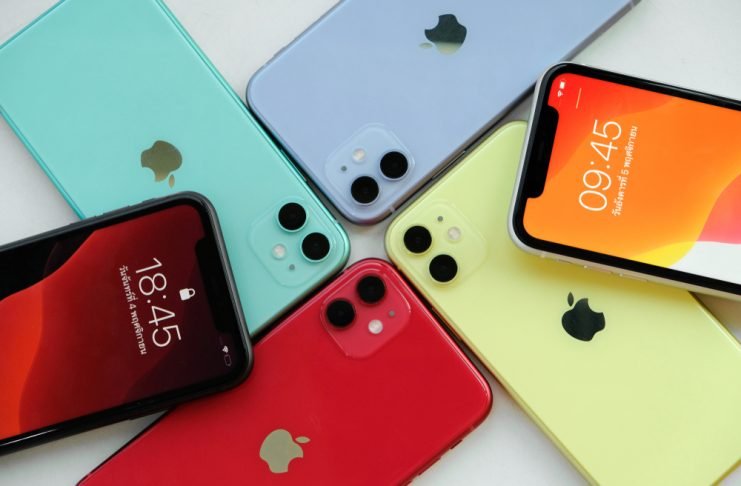


Sales of refurbished smartphones grew by 5 percent worldwide in 2024, and Apple accounted for most of that growth, according to Counterpoint Research. Refurbished iPhones took 56 percent of global refurbished smartphone sales in 2024, up from 51 percent in 2023. The figures come from the firm's Secondary Smartphone Market Report, published in February 2025, and they describe the latest full year for which the firm has published complete results.
The refurbished market grew faster than the market for new phones. New smartphone sales rose by 3 percent in 2024, after a difficult 2023. Counterpoint said Apple almost single-handedly drove growth in the secondary market in 2024, and it was one of only a few phone makers to increase its refurbished sales that year. More buyers turned to the secondary market to get affordable refurbished iPhones, the firm said.
Why refurbished iPhones led the market
Counterpoint senior research analyst Glen Cardoza said Apple's growth in 2024 was mostly made up of older models such as the iPhone 11 and iPhone 12 series. Even though the iPhone 13 and 14 series had been on sale for some time, many owners held on to those phones for longer, which created a shortage of newer used models. The shortage of newer refurbished iPhones was so marked that the average selling price of a refurbished smartphone fell by 11 percent in 2024, to 394 dollars from 445 dollars in 2023. Buyers who want a recent used iPhone now face a market where older models are easier to find than recent ones.
The report said the 2024 share of refurbished iPhones would have been much higher if not for the low stock of newer iPhones traded in between the second and fourth quarters of 2024. Samsung's average selling price rose in 2024 because buyers showed a stronger preference for its flagship Galaxy S series, even though the brand's overall share of the refurbished market fell. Sales of phones sold as is, meaning phones that are cleaned and repackaged with no technical work carried out, grew by 13 percent in 2024.
Refurbished iPhones and the shift to 5G
Phones with 5G accounted for 42 percent of the global refurbished smartphone market in 2024, up from 28 percent in 2023. That shortage also shapes the market for refurbished iPhones, where demand for recent models runs ahead of supply. That rise came as 5G handsets moved into the used market in larger numbers, and as buyers looked for phones that would stay useful for longer. Counterpoint said that after two to three years of steady growth across regions, 2024 saw the refurbished market reaching maturity, and even stagnation, in some regions, held back by the shortage of newer phones to resell.
Cardoza said more durable devices have resulted in better quality trade-ins, reducing the need for refurbishment. Rising costs for spare parts, labour and equipment also mean many sellers are simply selling used smartphones as is to protect their margins. For buyers, that makes the condition of refurbished iPhones and the warranty that comes with them more important than the price alone, since an as is phone has not been through a full technical check.
What Counterpoint expects next
Counterpoint associate director Jan Stryjak said 2024 saw flatlining of growth in the refurbished market because of supply constraints. He said the firm expects a recovery in 2025, as more consumers upgrade their phones, following the surge in purchases between 2020 and 2022 during the Covid period. The focus for sellers, he said, will be on strategic inventory management across secondary businesses, which in turn may lead to increased trade with emerging markets.
Apple's position in the market for refurbished iPhones rests on how long its phones stay in use. The firm noted that many iPhones remain viable for five to seven years after they stop being sold as new, supported by long software support. That long life is what keeps older refurbished iPhones in demand on the resale market, even when newer models are in short supply, and it is the reason Apple held more than half of refurbished sales in 2024.