
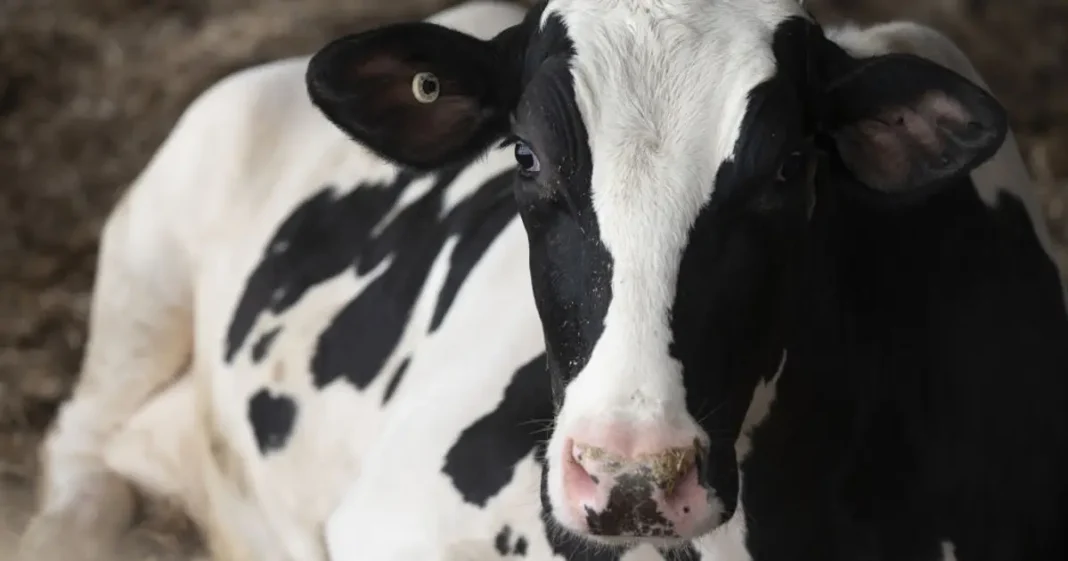


Cases of EHD confirmed in Wisconsin dairy cattle have raised urgent health questions across the United States after a viral infection previously limited mostly to wild populations crossed over into domestic livestock.
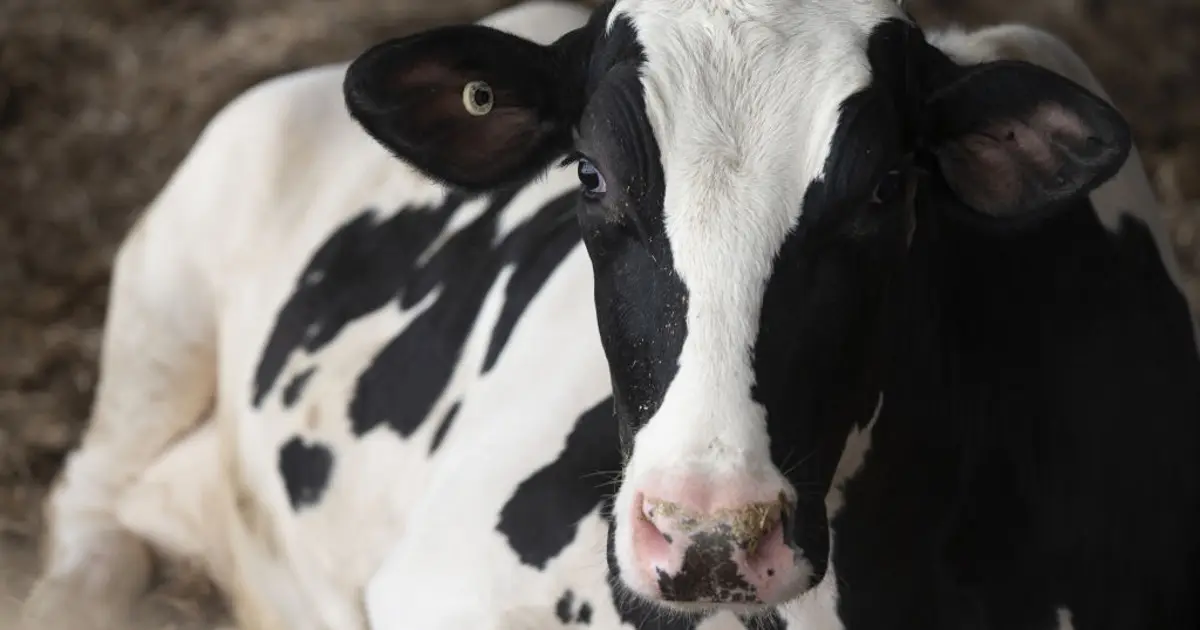
Local agricultural authorities verified that the viral pathogen, typically known for affecting deer populations, was detected in Waukesha County dairy cows alongside ongoing regional outbreaks.
This sudden cross-species transmission represents a significant shift in regional epidemiology, catching agricultural officials and livestock producers off guard during the current seasonal cycle.
Health officials across the country are closely monitoring these developments because epizootic hemorrhagic disease typically restricts its toll to white-tailed deer.
The discovery of cases of EHD confirmed in cattle herds expands the known vulnerability of farm animals to arboviruses transmitted by tiny biting midges.
Understanding this epidemiological vector shift is vital for protecting farm operations, managing animal health protocols, and preventing broader economic losses throughout the regional agricultural sector.
Understanding How Cases of EHD Confirmed in Cattle Impact Agriculture
Regional monitoring programs have tracked a sharp rise in viral infections affecting local wildlife and farm animals alike. Agricultural authorities confirmed that the virus has now impacted multiple species across several distinct counties.
- Waukesha County dairy cows diagnosed with the infection
- Fond du Lac and Jefferson counties reporting expanding deer outbreaks
- Dairy heifers and captive deer populations showing symptoms
The appearance of cases of EHD confirmed in Wisconsin marks a critical turning point for local livestock managers who must now adapt biosecurity measures.
Farmers are urged to monitor their herds closely for clinical signs of illness and report any unusual symptoms to state veterinarians immediately.
Controlling exposure to the biting midges that transmit the virus remains the primary method for mitigating further spread among vulnerable livestock populations.
Veterinary experts emphasize that the illness does not pose a direct threat to human health, meaning milk and meat safety standards remain entirely secure for consumers.
However, the morbidity rates within infected animal populations can cause substantial operational challenges for affected farms.
As state laboratories continue to process diagnostic samples, researchers are analyzing environmental data to determine why the vector insects expanded their host range this season.
State and federal agencies will maintain enhanced surveillance protocols throughout the coming weeks to track the trajectory of the outbreak.
Further updates regarding cases of EHD confirmed in additional regions will be released as diagnostic testing concludes and field investigations provide a clearer picture of the viral spread.
Background and next steps
Cases of EHD confirmed in Wisconsin cows FOX6 News MilwaukeeViral disease infecting thousands of Wisconsin deer found in Waukesha County dairy cows WPRWisconsin deer EHD outbreak reaches Fond du Lac, Jefferson counties YahooEHD outbreak in Wisconsin also has affected dairy heifers, captive deer Milwaukee Journal SentinelEHD confirmed in Waukesha Co. cattle Channel 3000
The story remains in motion, and readers should watch for official updates as more facts are confirmed.
Public interest is likely to stay high while new details emerge from reporters and officials.
Early claims should be treated cautiously until primary sources corroborate them.