
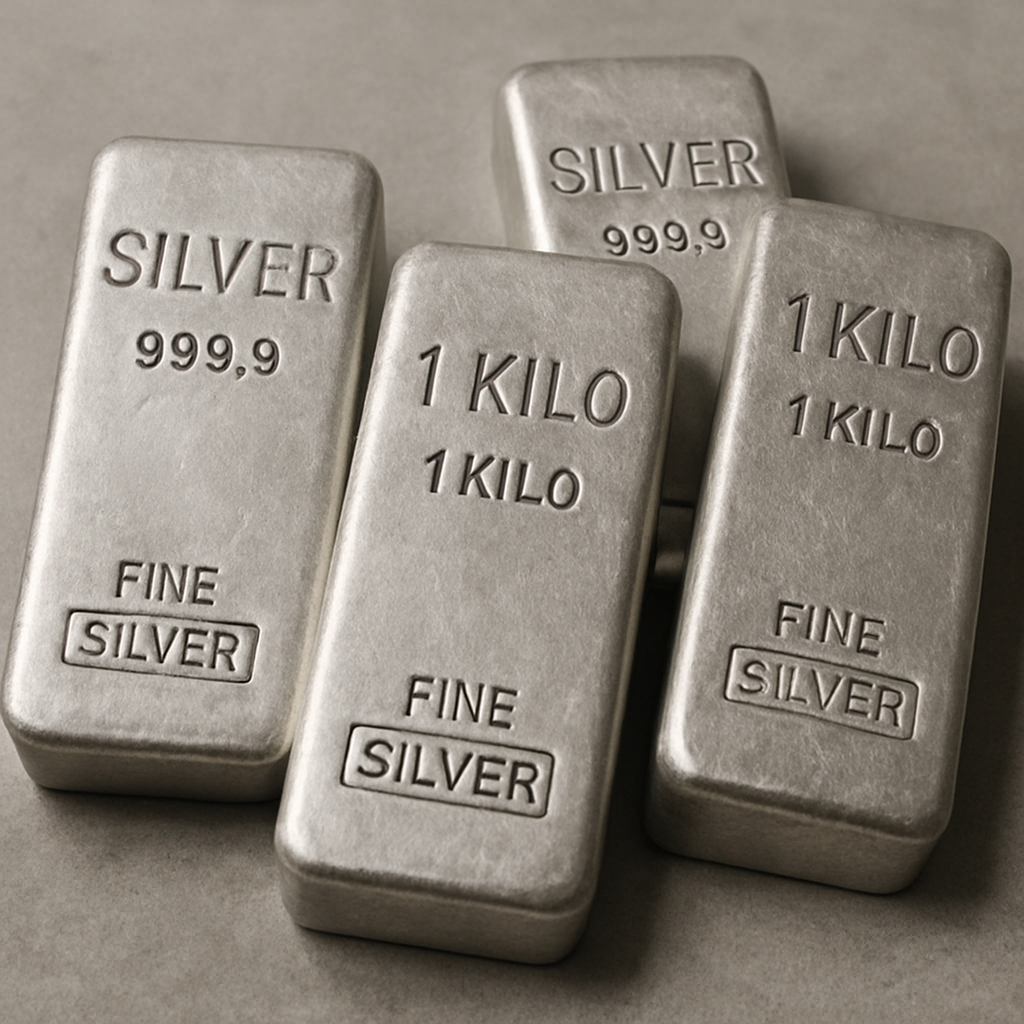


The silver price in India witnessed a dramatic two-day swing this week, crashing nearly 5 per cent on Wednesday before staging a smart rebound on Thursday as a hotter-than-expected US inflation reading whipsawed global bullion markets. On the MCX, silver plunged Rs 10,879 to Rs 2,08,338 per kg on October 14, tracking a global selloff, before recovering to trade near Rs 2,09,200 on October 15 as the dollar and bond yields eased.
Gold moved in the same direction but with less violence. MCX gold dropped Rs 2,602 to Rs 1,45,848 per 10 grams on Wednesday, then bounced back toward Rs 1,47,400 on Thursday. Over the last five sessions, gold has fallen Rs 3,866 per 10 grams and silver Rs 14,011 per kg, according to market trackers — a sharp correction after the record-breaking rally of recent months.
Why the silver price crashed on Wednesday
The trigger for the silver price crash came from Washington. US consumer inflation for September printed at 3.7 per cent against expectations of 3.6 per cent — a seemingly small miss that sharply repriced Federal Reserve expectations. The odds of a Fed rate hike this month jumped from about 22 per cent to as high as 54 per cent, sending the dollar and Treasury yields higher and crushing precious metals, which offer no yield.
Silver, with its smaller market and dual role as both precious and industrial metal, fell harder than gold — a familiar pattern. “Gold and silver fell sharply on Wednesday and are bouncing back on Thursday,” noted Ashish Rajodiya, head of commodities at PL Capital, adding that the hot CPI reading was the proximate cause of the selloff across bullion counters.
Silver price today: what Indian benchmarks show
The silver price in India’s benchmark market reflected the turmoil. The India Bullion and Jewellers Association (IBJA) quoted Silver 999 at Rs 2,07,098 per kg in the October 15 morning fixing, down Rs 7,294 or 3.40 per cent from Rs 2,14,392 a day earlier. IBJA gold of 999 purity stood at Rs 1,45,564 per 10 grams, down Rs 781 or 0.53 per cent.
Retail markets told a similar story with local variations. In Delhi, silver fell Rs 5,000 per kg on October 14, while jewellers in Kochi quoted Rs 2,40,000 per kg and Noida Rs 2,30,000 per kg on October 15 — both down Rs 5,000 on the day. These benchmark rates exclude GST and making charges, so actual jewellery prices run higher.
What next for the silver price
The silver price rebound on Thursday came as US yields and the dollar cooled and crude oil softened, though Fed hike odds were still hovering near 28 per cent — high enough to keep a lid on gains. Analysts say silver remains more vulnerable than gold to hawkish surprises: another hot data print or tough talk from Fed Chair Warsh on Friday could renew pressure, while softer producer-price data due today would help extend the recovery.
The next decisive tests arrive quickly — US producer prices, Warsh’s remarks, and the Fed’s October 27-28 meeting. For Indian buyers, the volatility is a reminder to check the date and time on any price quote before purchasing, and to confirm whether making charges and GST are included. With the festive and wedding season approaching, jewellers expect bargain-hunting to pick up if the silver price holds near current levels rather than snapping straight back to record highs.
For context, benchmark IBJA rates exclude GST and making charges, so retail jewellery prices sit higher than quoted figures. The All India Sarafa Association’s Delhi rates and MCX futures can also diverge intraday, which is why buyers are advised to compare like-for-like quotes before concluding a purchase.
Silver’s industrial side adds another layer. Unlike gold, a large share of silver demand comes from electronics, solar panels and other manufacturing uses, making its price sensitive to growth expectations as well as rate bets — one reason its swings routinely exceed gold’s in both directions.