


Windows security update released during Microsoft’s October 2026 Patch Tuesday fixed a record 1,413 vulnerabilities, the largest number of flaws the company has ever addressed in a single monthly cycle. The update includes an actively exploited Windows zero-day and a critical Windows Shell bug, according to ZDNET, Krebs on Security, SecurityWeek, and Qualys. The scale shows how far the Windows attack surface has grown, and researchers agree that installing it quickly is the key step users can take this month.
A record-breaking patch month matters now because the gap between disclosure and exploitation keeps shrinking. Attackers scan for newly documented flaws within hours of a Patch Tuesday release, and proof-of-concept code often circulates within days. When a single Windows security update closes more than 1,400 holes at once, the message is blunt: the software ecosystem is enormous, the adversaries are fast, and the only reliable defense is a patched machine.
Why the Windows security update set a record
Microsoft’s security teams have spent years expanding coverage, folding fixes from across Windows, Office, browsers, development tools, and cloud services into the monthly cycle. As Microsoft’s products spread into more devices and services, each month’s audit surface grows, and October 2026 became the month the count crossed a symbolic line. Analysts at Qualys noted that the sheer volume reflects broader testing and a more aggressive approach to cataloging flaws.
The record also reflects a shift in how vulnerabilities are found and reported. Bug bounties, automated fuzzing, and AI-assisted code review have multiplied the flaws discovered before criminals can use them. Many of the 1,413 fixes address bugs caught internally or reported responsibly, meaning defenders closed the windows before attackers could climb through. That is the good news inside an alarming headline: most of these vulnerabilities were fixed before they were weaponized.
Zero-days and the Windows Shell bug in focus
Two flaws drew the most attention from the security community. The first is a Windows zero-day that researchers say was already being exploited in real attacks before the patch arrived. Zero-days are the most dangerous class of vulnerability because defenders have had no time to prepare, and any system that has not yet installed the update remains exposed to known, working attack code. Krebs on Security emphasized that this flaw alone justified installing the Windows security update at emergency speed.
The second headline flaw is a bug in the Windows Shell, the core interface component that handles file browsing and desktop interaction. Because the Shell touches so many everyday operations, a vulnerability there can potentially be triggered by something as ordinary as viewing a folder or opening a file. SecurityWeek’s coverage highlighted the Shell bug as a reminder that the most familiar parts of the operating system are also the most tempting targets.
- Record total: 1,413 vulnerabilities fixed in the October 2026 update, the most ever in one Patch Tuesday.
- Exploited zero-day: at least one Windows flaw was already under active attack before the fix shipped.
- Windows Shell bug: a flaw in the core interface layer drew special attention from researchers.
- Sources in agreement: ZDNET, Krebs on Security, SecurityWeek, and Qualys all flagged the release as historic.
- Recommended action: install the update immediately and reboot to complete the installation.
Enterprise administrators face the usual balancing act: test quickly, then deploy broadly. Large organizations often stage patches through pilot groups before pushing them to thousands of machines, but an actively exploited zero-day compresses that timeline. Microsoft publishes severity ratings with each release so IT teams can prioritize, and this month’s guidance points overwhelmingly toward speed. Home users have the simpler job: accept the update, restart when prompted, and let automatic updates handle the rest.
What to do right now
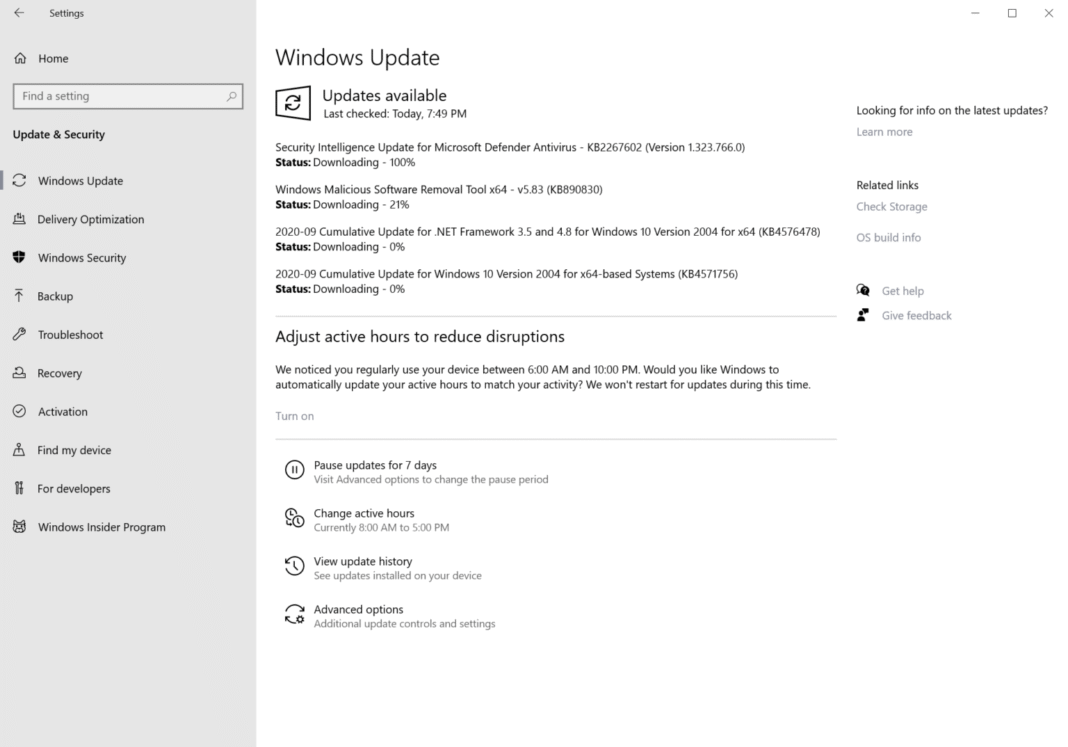
For most people, the path forward is straightforward. Open Windows Update, check for updates, and install everything offered. If automatic updates are already enabled, the October patches may already be waiting for a restart. Businesses should confirm that patch management tools have picked up the release and that remote workers have actually rebooted. A patch that is downloaded but not installed protects no one.
Looking ahead, the record-breaking Windows security update is unlikely to be the last of its kind. As Microsoft’s footprint keeps expanding and researchers keep sharpening their tools, monthly totals in the four figures may become routine rather than remarkable. The deeper lesson of October 2026 is not that Windows suddenly became less safe, but that the machinery for finding and fixing flaws is working at unprecedented scale. The update is available now, the attackers already know what changed, and the clock favors whoever patches first.