


Legionellosis cases in the United States rose to 590 in the 30 days to Nov. 2, 2026, up 21 percent from 487 in the 30 days before. The figures come from ENCLAI, a surveillance dataset that compiles official reports, and they were published on Nov. 2 by Dr. Natalya Mathur.
The United States reported 1,555 legionellosis cases in the 90 days to Nov. 2. The same 30-day period a year earlier had 424 cases. The United States accounts for 77.4 percent of the legionellosis cases reported to ENCLAI worldwide in 2026, and it ranks first of the eight reporting countries.
The figures count reports, not people, and they are not an incidence rate. They do not cover the whole population, and the reporting periods do not match the dates exactly. Some reports are incomplete or still in progress, and some do not say which date they use: symptom onset, notification or confirmation.
Legionellosis cases in the latest 30 days
Legionellosis cases in the latest 30-day window reached 590, against 487 in the 30 days before and 424 in the same 30 days a year earlier. The 90-day total of 1,555 covers the period from Aug. 5 to Nov. 2, 2026, using source-record dates. ENCLAI said its counts reflect verified records available from reporting sources for the stated window, and they are not estimates of total incidence.
The dataset covers six countries in its largest included reported counts, with the United States far ahead of the rest. The United States ranks first of eight reporting countries in 2026, and the figures are drawn from official surveillance reports. The counts are as reported by the originating health authorities for the dates shown.
The 21 percent rise is measured between the two latest 30-day windows, and the comparison with a year earlier shows the same period in 2025 had fewer cases. The dataset does not say why the numbers rose, and it cautions that the figures should not be read as a rate of new cases in the population.
Legionellosis cases in New York and Ohio
Legionellosis cases have also risen in local clusters reported this autumn. In New York City, health officials confirmed a third death linked to an ongoing Legionnaires’ disease cluster on Manhattan’s Upper East Side, and a total of 74 cases had been identified in the outbreak, according to an update on Nov. 3. In Central Harlem, health officials have reported 67 cases and three deaths since late July, with 11 cooling towers remediated.
Ohio has also seen elevated activity, with 311 cases of legionellosis reported statewide so far this year. Southwest Ohio alone recorded 40 cases through July, according to regional health data. In Iowa, the state health department is investigating a cluster in north central Marshalltown, where 21 people have been diagnosed with Legionnaires’ disease and an older adult with underlying health conditions has died.
CDC data show a steady rise in Legionnaires’ disease cases since the early 2000s, interrupted only by a temporary dip during the early COVID-19 pandemic. The disease is a type of pneumonia caused by exposure to Legionella bacteria, and it does not spread from person to person.
Legionellosis cases and building water systems
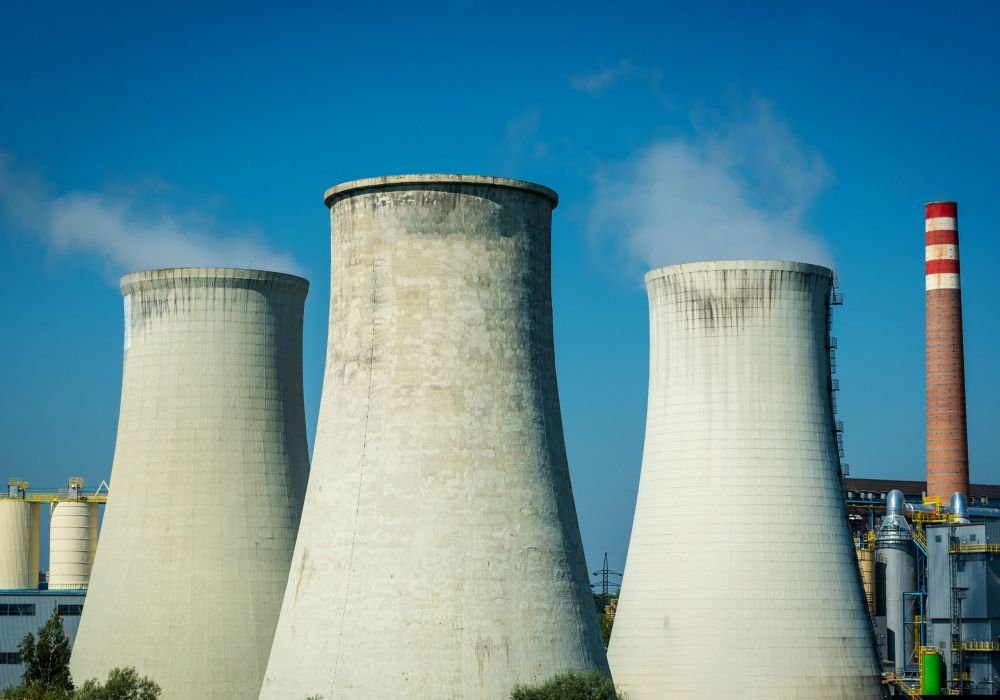
Legionellosis cases are tied to building water systems, and recent clusters have drawn renewed attention to the bacterial risk in that setting. Legionella bacteria thrive in warm water environments and are typically spread through the inhalation of aerosolized water droplets, such as mist from cooling towers, hot tubs and decorative fountains. Most healthy people who are exposed to Legionella bacteria do not get sick.
In Hawaii, the state health department is investigating two confirmed cases of Legionnaires’ disease in nonresident visitors who stayed at a property on Kauai. Water testing results from the property, received on Oct. 13, 2026, indicated the presence of Legionella bacteria in the water systems. The exact source of exposure is still being investigated, and the department has said the risk to the general public is low.
The ENCLAI dataset will be updated as new reports arrive, and the figures for the latest 30-day window remain subject to change as incomplete reports are finished. The counts are drawn from official surveillance reports, and ENCLAI said they should not be interpreted as medical advice.