
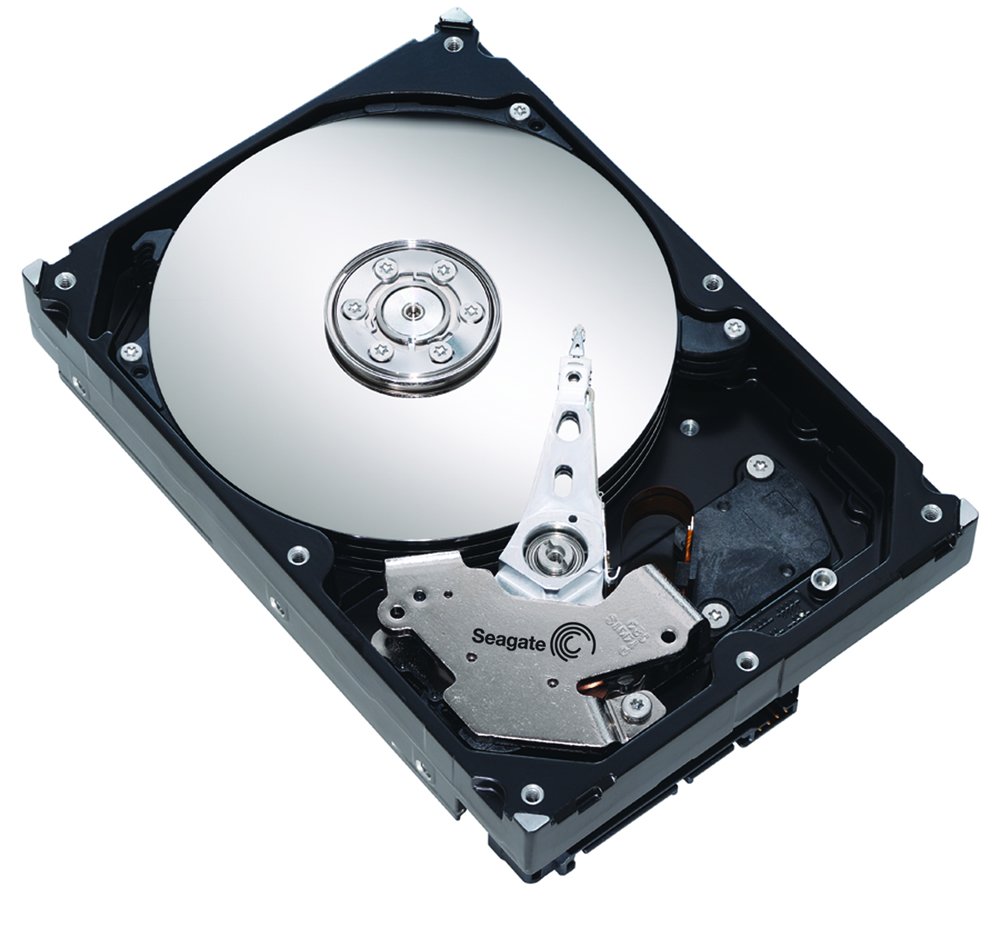


Seagate Technology shares have fallen about 40% in three months, even as the hard-drive maker reported record sales and raised its earnings forecasts. The Seagate stock slide is a case of multiple compression: profits are rising, but investors are paying less for each dollar of profit. The shares traded near $472 in late November, down from $821 three months earlier, according to figures cited in market reports, and about 59% below the 52-week high of $1,145 reached in June.
The company reported fiscal first-quarter revenue of $4.233 billion, up 61% from a year earlier, with non-GAAP earnings per share of $7.68, above the $7.40 consensus estimate. It was the sixth straight quarter in which Seagate beat earnings expectations. Free cash flow reached a record $1.479 billion, and gross margin hit 57.8%. Data centre sales of $3.4 billion supplied 81% of revenue. Management guided the December quarter to revenue of about $4.8 billion and adjusted earnings per share of $9.20.
The Seagate stock slide did not stop at the results. On 2 October, Nikkei Asia reported that Toshiba plans to double its capacity for hard drives used in AI data centres, and Seagate fell 10.2% that day. On 30 October, the shares fell 8% as the Nasdaq had its worst day since June. By 2 November, the stock had closed at $593.76, down 30% from its 2 October close. Investors also sold data centre and storage stocks after the midterm elections, amid concern that data centre approvals might tighten and doubt over how long storage price rises can last.
Seagate stock and the multiple compression problem
Morgan Stanley, which rates Seagate overweight and calls it a top pick in storage, put the fall down to valuation rather than performance. After a three-day roadshow with chief financial officer Gianluca Romano and head of investor relations Shanye Hudson, analyst Erik Woodring’s team raised its earnings per share forecasts for fiscal 2027 and 2028 by 25% to 50%. At recent prices, the shares traded at only 6.1 times fiscal 2028 earnings per share and 5.2 times calendar 2028 earnings, below the historical trough multiple for the hard-drive industry of 8 times. The bank kept a $1,148 price target.
The bank’s report said the Seagate stock compression came from three misunderstandings about the hard-drive industry, and from a backdrop of rising interest rates and concern about capital spending. It also pointed to doubts over whether the industry would hold its pricing discipline. In October, hard-drive stocks underperformed memory, semiconductor equipment, computing and optical stocks by as much as 5 percentage points, despite strong underlying performance.
Seagate stock stays cheap on Wall Street forecasts
Other banks are also positive on Seagate stock. Citi reaffirmed a Buy rating and a $1,050 target, and Rosenblatt reaffirmed Buy with a $1,100 target. Analysts’ average target of about $1,045 implies roughly 90% upside from recent prices. The consensus view is that demand for high-capacity drives from AI data centres will keep growing, and Seagate says most of its nearline exabyte supply is already allocated under long-term agreements through calendar 2028. Its HAMR-based Mozaic platform, which packs more data onto each drive, carries much of the growth, and Microsoft recently qualified a Mozaic-based solution.
The Seagate stock outlook in the company’s guidance points the same way. Management expects December-quarter revenue of about $4.8 billion, plus or minus $100 million, and adjusted earnings per share of $9.20, plus or minus 20 cents. That would put the next quarter above the first-quarter run rate on both measures. Analysts made 18 upward revisions to fiscal 2027 estimates in 30 days, against one cut.
What could still go wrong for Seagate stock
The risks facing Seagate stock are the ones that drove the sell-off. If storage prices stop rising, or if Toshiba’s added capacity loosens supply, margins could narrow. The stock has also moved sharply in both directions: it jumped almost 10% in a single session on CoreWeave-driven storage optimism, and fell more than 20% in the week after its earnings beat. For now, the gap between the company’s results and the Seagate stock price is the story. The business is growing; the market is paying less for that growth.