
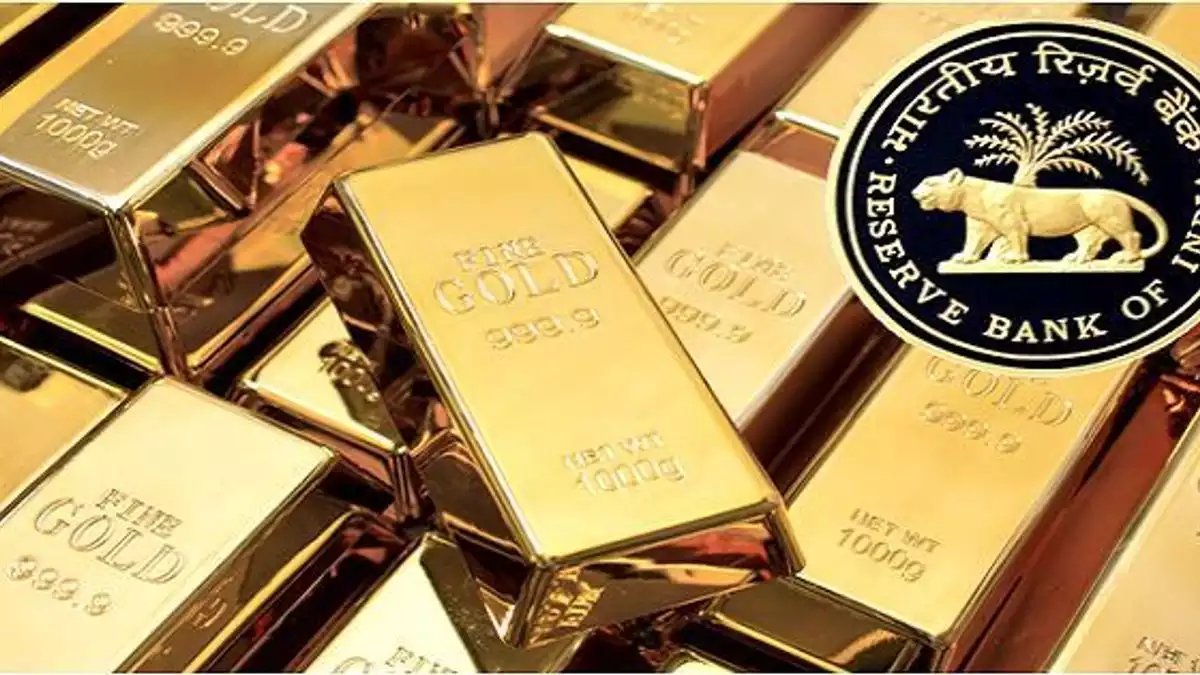


RBI gold reserves held in India rose sharply in the six months to September 2026, after the Reserve Bank of India moved 60.08 tonnes of bullion home from overseas vaults. The central bank’s total gold holdings did not change, so the shift was a transfer between vaults, not a purchase.
The RBI gold reserves totalled 880.52 tonnes at the end of September, according to the central bank’s 47th Half-Yearly Report on Management of Foreign Exchange Reserves, covering April to September 2026 and released on 25 November. Of that total, 740.13 tonnes were stored in India and 140.39 tonnes were kept with the Bank of England and the Bank for International Settlements. Domestic holdings rose from 680.05 tonnes at the end of March.
How the RBI gold reserves moved home
The transfer took the share of RBI gold reserves held in India from about 77.2 per cent at the end of March to 84.05 per cent at the end of September. The domestic share has climbed steadily in recent years, from about 38 per cent in March 2023 and around 60 per cent by September 2024. The RBI has been moving more of its gold into domestic vaults since it began repatriating bullion held abroad.
The gold moved home in the April to September window, the first half of the financial year. The RBI did not add to its total stock in that period, which means the 60.08 tonnes added in India came from the gold the central bank held overseas. The remaining overseas holdings sit with two custodians, the Bank of England and the Bank for International Settlements in Basel.
Why the RBI gold reserves lost value
While the quantity of gold stayed the same, the value of the RBI gold reserves fell. Gold prices dropped from $4,721 per troy ounce in April to $4,319 in September, a fall of about 9 per cent, as Treasury yields rose, the dollar strengthened and markets priced in expectations of US Federal Reserve rate rises. India’s gold reserves were valued at $115.40 billion in March 2026, but the figure fell to $106.08 billion by 30 September.
Total foreign exchange reserves moved the other way. They rose by $46.67 billion over the six months, from $691.11 billion at the end of March to $737.78 billion at the end of September. Because the total grew while the value of gold fell, the RBI gold reserves dropped as a share of the total, from 16.70 per cent at the end of March to 14.38 per cent at the end of September.
What the shift means for the reserves
The repatriation fits a longer pattern among central banks. The World Gold Council estimated that central banks bought 321 tonnes in the third quarter, up 42 per cent from a year earlier. The RBI gold reserves move is different: it changed where the gold is kept, not how much the country owns. Keeping more gold at home gives the RBI direct control over the metal, rather than relying on vaults in London and Basel. India’s foreign exchange reserves have four parts: foreign currency assets, gold, special drawing rights and the reserve tranche position with the International Monetary Fund. Gold is the second largest part after foreign currency assets, and its share moves with both the gold price and the size of the total reserves.
The RBI gold reserves report also showed small shifts in the currency mix of world reserves. The share of the US dollar in global reserves fell from 57.18 per cent in the first quarter of 2026 to 56.70 per cent in the second quarter, while the euro’s share rose from 20.04 per cent to 20.60 per cent. Those figures cover world reserves, not India’s alone, and the RBI report cites them as part of the wider picture.
The next half-yearly report will show whether the RBI keeps moving gold home. For now, the RBI gold reserves stand at 740.13 tonnes in Indian vaults, 140.39 tonnes remain overseas, and the total stands at 880.52 tonnes.