
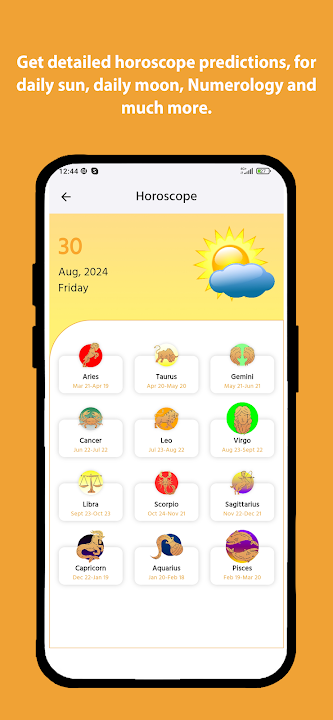


Reliance-backed Jio Platforms has entered India's digital astrology market with JioAstro, an artificial intelligence powered Vedic astrology platform. Business Standard reported the launch on 26 November. JioAstro arrives as astrology apps recorded 150 million downloads in India in the first nine months of 2026, a sign of how large the audience for online horoscopes and birth chart readings has become.
The platform builds a birth chart from a user's date, time and place of birth, using Swiss Ephemeris calculations, and then lets the user ask an AI astrologer questions about it. It supports English, Hindi, Marathi and Gujarati. The service is available through its website, while the mobile app is still in testing.
What JioAstro offers users
JioAstro provides D1, or Lagna, and D9, or Navamsa, charts in North Indian and South Indian formats. Its AI astrologer can identify more than 40 yogas and check doshas including Manglik, Kaal Sarpa, Pitra and Grahan. The platform also gives Vimshottari dasha timelines, transit updates and Sade Sati analysis, along with daily and yearly horoscopes, muhurat recommendations and a daily panchang.
One account can hold up to four family profiles, and users can download personalised astrology reports in PDF format. The range of features puts the service in direct competition with established players such as Astrotalk and AstroSage, which connect users with human astrologers through paid chats and calls. It takes a different route, offering automated readings and conversational guidance instead of live consultations.
JioAstro is still in testing
JioAstro is not open to the public yet. Its terms describe the mobile application as an invite-only prototype available through Google Play's internal testing programme, open only to testers Jio invites. Public pricing and wider availability have not been established, and payments and paid subscriptions are expected to stay disabled or run in a test mode during testing.
Jio has also not said which large language model powers the AI astrologer. That detail matters, because the quality of the readings depends on the model behind them, and rival services lean on named human astrologers whose track records users can judge. For now, JioAstro is a soft launch, with the full service still to come.
A crowded market with large numbers
The timing reflects the size of the opportunity. Astrology apps recorded 150 million downloads in India between January and September 2026, a 75 per cent increase over the same period last year, according to Sensor Tower data. Figures cited in coverage of the launch put India's digital astrology market at 390 million dollars in 2026, with a projection of 2.32 billion dollars by 2032 and a compound annual growth rate of 34.61 per cent.
Astrotalk, one of the segment's largest players, entered India's unicorn club earlier in 2026 after an employee stock ownership plan buyback valued the company at 1 billion dollars. Other companies in the market include AstroSage, Astroyogi, InstaAstro, Clickastro and GaneshaSpeaks. The investor interest behind those businesses shows that astrology has become a serious consumer category, not a niche hobby.
Jio brings one clear advantage to that contest: distribution. The company has more than 542 million telecom customers and an established set of consumer apps. If JioAstro is later folded into MyJio or bundled with recharge plans, it could reach millions of people without the heavy spending on advertising that rivals rely on to acquire users. Astrotalk, for comparison, spent 823 crore rupees on advertising and business promotion in FY26, about 45 per cent of its operating revenue.
Why Reliance is moving into faith tech
Astrology may look like an unusual business for India's largest telecom operator, but the segment is part of a wider faith-tech market in which consumers pay for personalised readings, predictions and consultations. Astrotalk reported operating revenue of 1,823 crore rupees in FY26, up 55 per cent from the previous year, with a net profit of 222 crore rupees. Those numbers show that users will pay for astrology when the service feels personal and easy to use.
The open question is whether customers will pay for an AI conversation in the same way they pay to talk to a human astrologer. A chat with a person carries trust and a sense of personal attention that a machine has to earn. JioAstro's automated readings cost far less to deliver at scale, which could make the service cheap enough to attract users who would never pay for a live consultation. Whether that trade works in practice remains untested.
For now, JioAstro remains an invite-only prototype with no public price and no announced date for a wider release. Its launch puts Reliance in a market where demand is already proven, and the next step is to show that an AI astrologer can hold the attention of users who are used to speaking with a person.