
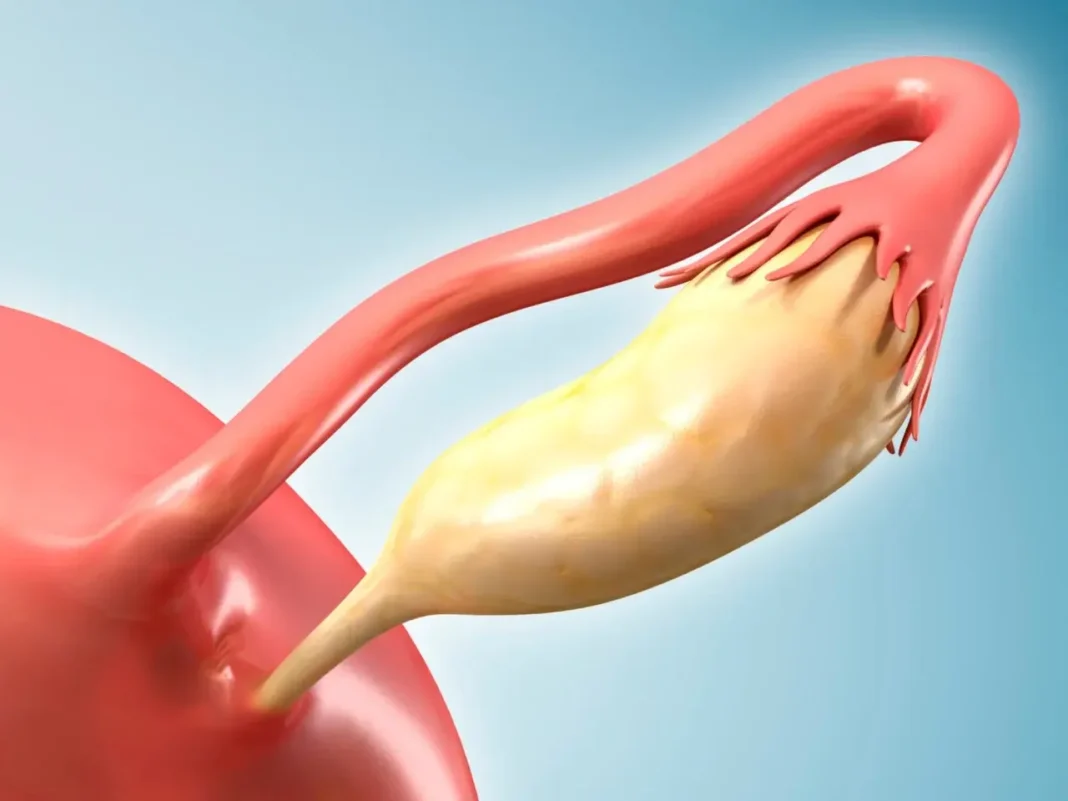


Ovaries after menopause were long thought to shut down almost completely, but a new study suggests they remain active for decades after a woman’s final menstrual period. Researchers found that postmenopausal ovaries keep changing long after they stop releasing eggs, developing what scientists describe as an intriguing second role. The findings challenge the long-held view that the ovary matters little once fertility ends, and they raise new questions about how the aging ovary may foster ovarian cancer.
For generations, medical textbooks treated the ovary as an organ with a single job and a fixed retirement date. Once menopause arrived, the thinking went, the ovaries went quiet and faded into irrelevance. The new research turns that picture upside down, showing that ovaries after menopause keep communicating with the rest of the body in ways that could affect a woman’s health for decades. The shift forces a rethink of an organ medicine thought it understood.
The study found that ovaries after menopause remain biologically active far longer than expected, decades after the last menstrual period. Rather than shutting down, the tissue continues to undergo changes, producing signals that researchers are only beginning to decode. The work adds to a growing body of evidence that menopause is not an off switch for the reproductive system but a transition into a different, still-dynamic phase of ovarian biology.
One of the most striking findings is that the ovaries develop an intriguing second role after menopause. The exact nature of that role is still being mapped, but researchers studying ovaries after menopause believe the organ may influence inflammation, hormone balance and tissue remodeling in ways that ripple across the body. If confirmed, the discovery would mean the postmenopausal ovary is an active participant in aging rather than a bystander.
An OMRF scientist involved in the research said ovaries stay active after menopause, describing an organ that keeps changing rather than going dormant. The Oklahoma Medical Research Foundation team has been examining how postmenopausal ovaries evolve over time. Their observations suggest the aging ovary is far from inert, and understanding its later-life activity could open new avenues for protecting women’s health.
The shift in thinking extends beyond a single study. Researchers in several fields have begun paying closer attention to organs once considered spent after their reproductive years, and the ovary is becoming a case study in how much remains to be learned. Coverage of the findings has framed the ovary as an organ that still matters well beyond menopause, a characterization scientists say the new data supports. For women’s health research, the results are also a reminder of how much basic biology is still being mapped.
- Ovaries remain active decades after menopause, according to the new study.
- Postmenopausal ovaries keep changing rather than shutting down.
- Researchers say the ovary develops a surprising second role after fertility ends.
- The aging ovary may foster ovarian cancer, scientists warn.
- Experts say the findings could reshape how doctors think about postmenopausal health.
Why Ovaries After Menopause May Influence Ovarian Cancer
The findings carry a sobering implication. Postmenopausal ovaries keep changing, and scientists say those ongoing changes may foster ovarian cancer. Ovarian cancer remains one of the deadliest gynecologic cancers, partly because it is often detected late. If the aging ovary’s continued activity contributes to the disease, researchers say, it could eventually point toward new strategies for early detection or prevention. Early detection remains the biggest challenge in ovarian cancer, and researchers hope a better understanding of the aging ovary will eventually help.
Much remains unknown, and scientists caution that the research is an early step rather than a final answer. Future studies will need to pin down exactly which signals the postmenopausal ovary sends and how they affect surrounding tissue. For now, the message is clear: the story of ovaries after menopause does not end at the final period, and medicine is only beginning to read its second chapter. Clinicians say the findings will not change patient care immediately, but they may eventually influence how doctors counsel women about long-term health after menopause.