
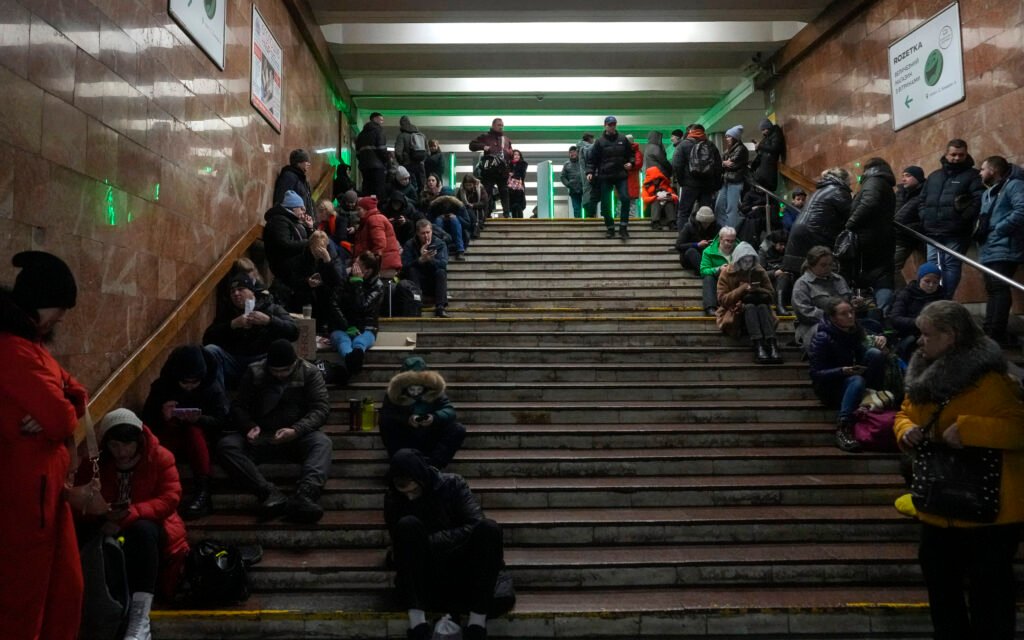


A Kyiv subway station strike killed a woman and injured three other people overnight, as a Russian air attack hit civilian infrastructure across the Ukrainian capital. Mayor Vitali Klitschko confirmed the casualties and damage in a statement on Telegram on Monday, as Russian attacks continued to threaten the city.
The attack hit a subway station on the left bank of Kyiv and damaged a 25-storey residential building, along with non-residential buildings and a medical facility, Klitschko said. A Reuters witness heard explosions in the city as the strike unfolded.
Kyiv Subway Station Strike: What Happened
According to Radio Liberty journalist Alex Raufoglu’s sources, Kyiv received no advance warning before the ballistic attack on October 18 — a critical detail, given that early warning is often the difference between life and death when ballistic missiles target a major city. The strike killed a 21-year-old woman and injured three people, while damaging metro infrastructure.
The city’s metro system has served a dual role throughout the war: by day, a transit network; by night and during air raids, a bomb shelter for tens of thousands of residents. A strike that damages subway infrastructure therefore carries a double impact — disrupting transportation and degrading the very shelters civilians depend on.
On October 13, President Volodymyr Zelenskyy had already said that Ukraine received no warning from its partners before a Russian ballistic strike on Kyiv on the evening of October 12. Air Force spokesperson Yuriy Ihnat clarified that no warning was received about the first of four waves of attacks — underscoring how the intelligence-sharing relationship with Washington has become a matter of life and death for Kyiv’s residents.
Intelligence Sharing Resumes After Pause
The Kyiv subway station strike came as the United States resumed sharing critical intelligence with Ukraine following a brief pause, Zelenskyy confirmed — intelligence that helps Ukrainian forces detect incoming Russian missile strikes and provide vital early warnings against fast-moving threats.
The pause itself had become a major controversy. On October 14, Zelenskyy confirmed that the Trump administration had warned Ukraine’s military leadership that intelligence sharing might be suspended if Ukraine continued strikes on Russian oil refineries, in an interview with NPR. Trump denied on October 13 that intelligence sharing had been suspended; on October 18, Zelenskyy confirmed the pause had lasted three days before resuming. Raufoglu’s sources did not explain why no warning was issued ahead of the latest strike.
Zelenskyy also spoke with US peace envoys Steve Witkoff and Jared Kushner after the two visited Kyiv earlier this month, as the US administration tries to mediate a deal to end the war Russia started with its full-scale invasion in February 2022.
A War Grinding Into Another Winter
The overnight attack is part of a sustained Russian campaign against Ukrainian cities and infrastructure that has continued unabated even as diplomatic efforts to end the war intensify. Strikes on energy infrastructure, residential buildings and now metro stations follow a familiar pattern: degrading civilian life as winter approaches, when heating and power become matters of survival.
For Kyiv’s residents, the subway stations that were hit represent something more than infrastructure — they are the places where families shelter during the air-raid sirens that have become the soundtrack of the war. Monday’s strike was a reminder that in this conflict, there is no truly safe place, only safer ones.
As US-led mediation efforts continue and the intelligence-sharing relationship stabilizes, Ukraine’s ability to warn its cities of incoming strikes remains one of the most consequential variables in the war’s civilian toll. The 21-year-old woman killed overnight is the latest measure of what is at stake when those warnings do not come.
International reactions to the overnight strike followed the by-now familiar pattern: condemnation from European capitals, calls for strengthened air defences from Kyiv’s supporters, and silence from Moscow. But behind the statements, the strike intensified the diplomatic urgency around the US-mediated peace efforts, with mediators acknowledging privately that each attack on civilians makes a negotiated settlement harder to sell to the Ukrainian public.