
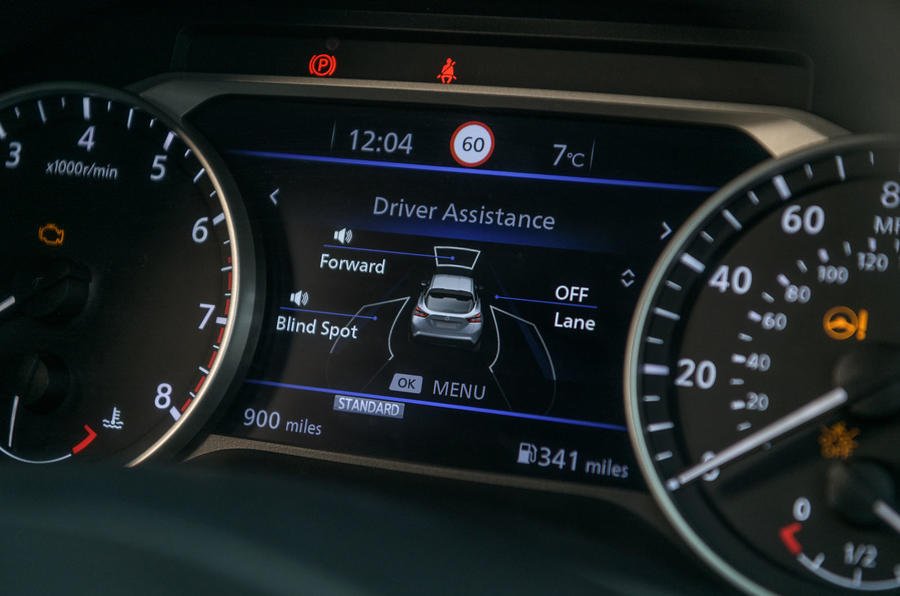


Car technology distraction is growing as a road safety concern, with Consumer Reports warning drivers not to overrely on the sophisticated systems fitted to new vehicles.
The consumer organisation says some newer vehicles have complicated screens and controls that can be distracting, even for basic functions such as operating the windscreen wipers or turning on the headlights. It recommends that drivers take a few minutes before driving to familiarise themselves with important controls and set their preferences while the vehicle is parked.
The warning, reported by Scripps News, also addresses the phone in the driver’s pocket. More than one in five drivers report being distracted by their smartphones on most or all trips, and looking away from the road for just two seconds can double the risk of a crash.
Consumer Reports also cautions that new vehicle technology can create a false sense of security. Features such as adaptive cruise control and lane-centring systems can automatically brake, accelerate and steer in certain situations, but they are not a substitute for an attentive driver.
Maddie McCarty, Consumer Reports’ senior human factors engineer, said that despite how some systems are marketed, drivers cannot buy a truly self-driving car today. Drivers should not rely solely on technology, she said, and must stay engaged and ready to take over full control, sometimes with little warning.
Why car technology distraction is rising
The shift from physical buttons to touchscreen menus is a major driver of the problem. Functions that once took a single press now require navigating layered menus, forcing drivers to take their eyes off the road for longer stretches.
Consumer Reports has begun factoring that distraction into its safety assessments. In a recent ranking of carmakers on overall safety beyond crash testing, Mazda came out on top with more than 80 per cent of its models earning the best rating, while only a quarter of Volvo models did so. The Volvo EX30 earned the lowest score, with distracting controls cited as a key factor.
The findings underline how the industry’s technology race has created new hazards even as it promises greater safety. Advanced driver assistance systems relieve stress and help drivers, and Consumer Reports credits them in its overall scores, but only when they are linked with an effective driver monitoring system that can tell whether the driver’s eyes are on the road.
When CR surveyed more than 47,000 members about their vehicles’ driver assistance features, drivers said they preferred systems that relieve stress without interfering with their intentions. They were most satisfied when monitoring checked where their eyes were facing, rather than merely detecting whether hands were on the wheel.
Reducing car technology distraction risk
The simplest advice is also the most practical. Set up the vehicle’s controls before moving off, learn how the assistance systems behave, and keep phones out of reach. Familiarity with the systems reduces the need to hunt through menus at speed.
Research supports the caution. Kelly Funkhouser, manager for vehicle technology at Consumer Reports, has said that when automation is performing steering and speed control well, drivers can become overreliant and complacent. An IIHS survey found most drivers understand that if something goes wrong and they are not ready to take over, it could lead to a crash.
Drivers also want safeguards they can trust. More than half of drivers surveyed said they would feel comfortable with a monitoring system that checked whether their eyes were on the road, and many preferred systems where the driver initiates lane changes rather than the car deciding for them.
The organisation’s message is not anti-technology. It recognises the usefulness of driver assistance in reducing stress and crash risk. The point is that these are assistance systems, not autonomy, and treating them otherwise invites the very crashes they are designed to prevent.
For buyers, the takeaway is to weigh how a car’s controls behave in real driving, not just how impressive they look in the showroom. Simple physical controls for climate and audio may be less dazzling than a giant touchscreen, but they demand far less of a driver’s attention. In a vehicle, that difference can be measured in lives.