
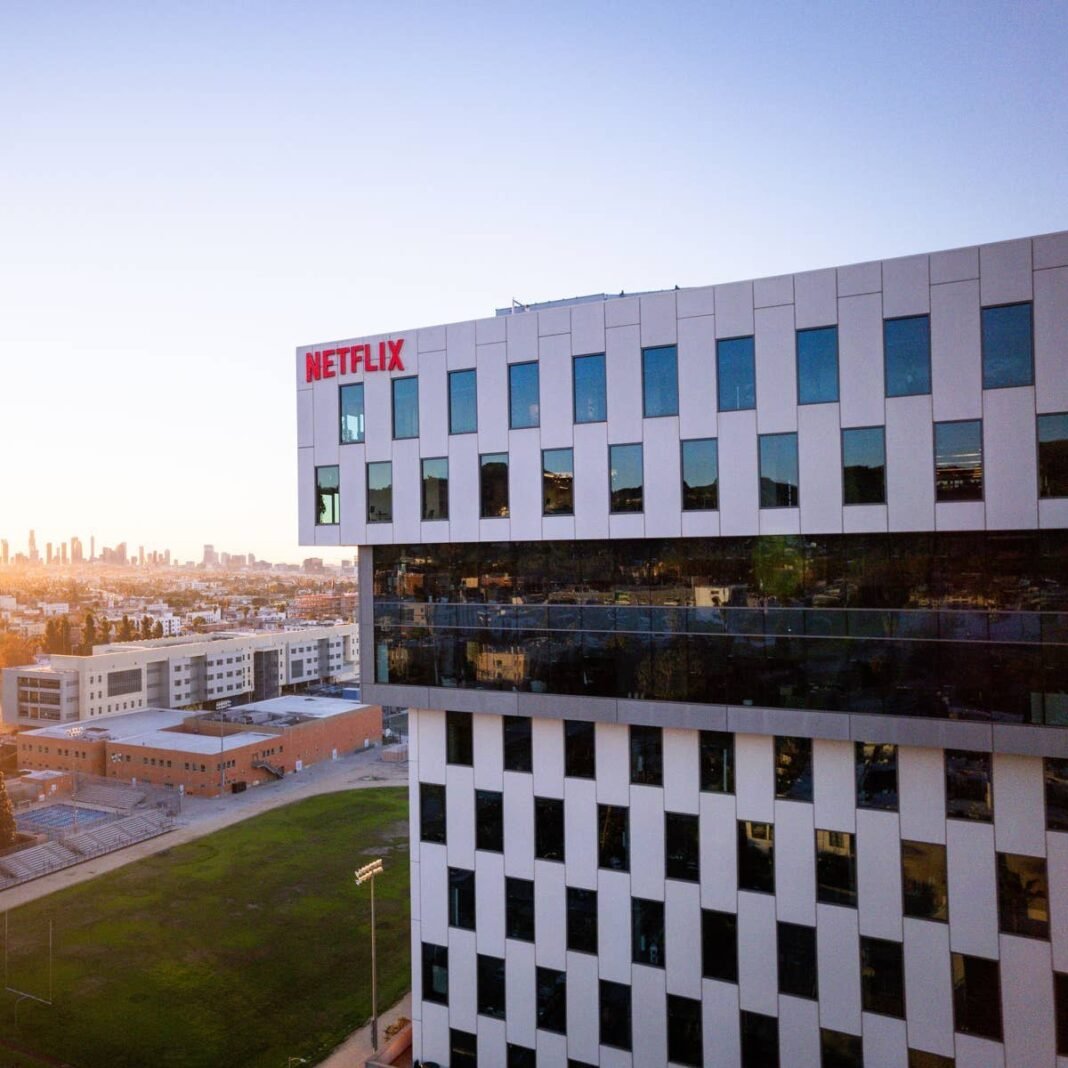


Netflix shares slid 6% after the market closed after the streaming giant issued a weaker-than-expected fourth-quarter profit forecast, rattling investors who had hoped for a stronger outlook. The drop, reported by Reuters and Business Today Malaysia, came as Meta and Tesla were scheduled to report results on Wednesday — keeping the spotlight firmly on Big Tech earnings.
After-hours moves of this magnitude signal genuine disappointment. Regular-session trading reflects the day’s broad sentiment, but after-hours action is driven by investors reacting directly to fresh information — in this case, a forward-looking profit forecast that fell short of what analysts had modeled. The 6% decline suggested the market had been positioned for better news.
A Forecast That Spooked Investors
The heart of the selloff was guidance, not results. Netflix’s fourth-quarter profit forecast came in weaker than expected, and in the current market environment, forward guidance carries enormous weight. Investors are less interested in what a company just did than in what it expects to do next — and a soft outlook can overwhelm even solid historical performance.
Profit forecasts matter because they reset the assumptions embedded in a stock’s price. When a company guides below expectations, analysts revise their models, price targets come down, and the multiple investors are willing to pay compresses. The 6% after-hours slide was the market performing that repricing in real time.
For Netflix, the forecast also arrives at a moment of intense scrutiny for the streaming business. Subscriber dynamics, content spending and competition are all under the microscope, and any hint of softness in the outlook gives skeptics fresh ammunition. The market’s verdict was swift and unambiguous.
Big Tech Earnings Week
Netflix’s stumble set the tone for a pivotal stretch of Big Tech earnings, with Meta and Tesla scheduled to report on Wednesday. The clustering of mega-cap reports in a single week means each result is read not just on its own merits but as a signal for the group — and a weak guide from Netflix inevitably colors expectations for what follows.
Big Tech earnings weeks have become market-moving events in their own right, capable of swinging indices and resetting sentiment across sectors. With three of the market’s most-watched names reporting in close succession, investors were already braced for volatility; Netflix’s 6% drop ensured the week started on a cautious note.
The Wednesday reports from Meta and Tesla will now carry added weight. Strong results could quickly repair the damage to sentiment; further disappointments could deepen it. Either way, the market’s focus is locked on the earnings calendar.
What Investors Are Watching
Beyond the immediate numbers, investors will be parsing Netflix’s commentary for clues about the drivers behind the soft forecast — whether it reflects company-specific factors, broader consumer pressures, or strategic investments expected to pay off later. The distinction matters enormously for how the stock is valued going forward.
The episode is also a reminder of how unforgiving the market has become toward guidance misses, particularly for large-cap growth names trading at premium valuations. Expectations are the true benchmark, and clearing them is the minimum requirement for holding investor confidence.
As Meta and Tesla prepare to report, the lesson of Netflix’s after-hours slide is fresh: in earnings season, the forecast is the story — and the market grades it without mercy.
The reaction also fits a wider pattern in how markets treat the streaming sector. Subscriber growth, content costs and competitive pressure make streaming one of the most sentiment-driven corners of Big Tech, and guidance is where that sentiment crystallizes. A cautious forecast does not just lower near-term expectations — it invites harder questions about the durability of growth, questions that tend to linger well beyond a single earnings cycle.
Netflix has navigated such episodes before, and its scale gives it room to maneuver that smaller rivals lack. But in a week when every Big Tech result is being graded against elevated expectations, there is little margin for softness. Wednesday’s reports from Meta and Tesla will show whether Netflix’s stumble was an isolated miss or the first sign of a more cautious season.