
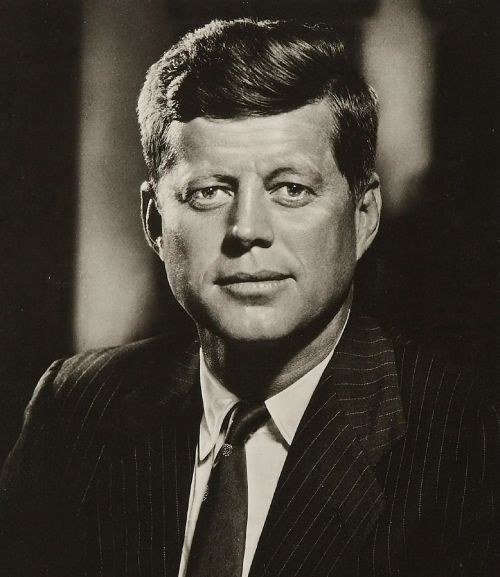


A new book is pulling back the curtain on one of the most scrutinized private lives in American history, detailing President John F. Kennedy’s philandering and his relationship with Inga Arvad. The revelations, reported by the New York Post, Entertainment Weekly and Town & Country, have reignited public fascination with the gap between Kennedy’s Camelot image and the private behavior described in the book’s pages.
The New York Post’s coverage framed the book’s findings in stark terms, describing the “sickening” extent of the philandering it documents. That framing set the tone for the wider coverage, which has treated the book as a significant new entry in the long-running literary examination of Kennedy’s personal life. Entertainment Weekly and Town & Country’s pickup of the story ensured it reached both entertainment and cultural audiences, underscoring how Kennedy biography continues to straddle the line between history and popular culture.
What the Book Reveals
At the center of the coverage are two threads: the breadth of Kennedy’s philandering, and his relationship with Inga Arvad. The book presents these as defining features of a private life conducted largely out of public view during his presidency — a reminder of an era when the personal conduct of powerful men rarely faced the scrutiny it would encounter today.
The Arvad relationship, in particular, has long been a subject of historical curiosity, and the book’s treatment of it has drawn fresh attention to a chapter of Kennedy’s life that continues to intrigue biographers and readers alike. By placing the relationship alongside a broader account of philandering, the book situates it within a pattern rather than treating it as an isolated episode.
As with any posthumous biography built on private-life revelations, the book’s claims will be weighed against the historical record by scholars and critics in the weeks ahead. What is already clear is that the coverage has succeeded in its apparent aim: forcing a new conversation about a presidency that Americans thought they knew.
A Fascination That Endures
More than six decades after his death, John F. Kennedy remains one of the most written-about figures in American history, and books promising new insight into his private life reliably find an audience. The enduring appetite reflects something deeper than gossip: Kennedy’s presidency occupies a singular place in the national imagination, and each new revelation reshapes the public’s understanding of the man behind the myth.
The genre of Kennedy biography has its own rhythms. Major new books arrive every few years, each claiming fresh perspective, and each is greeted with a familiar mix of fascination and debate. This latest entry follows that pattern, using previously underexplored material to argue that there is still more to learn about a life that has been examined perhaps more thoroughly than any other in modern American politics.
The involvement of outlets like Town & Country alongside the Post and EW speaks to the story’s crossover appeal. This is not just a history story or just an entertainment story — it is a cultural one, touching on memory, myth-making and the way America processes the private failings of its public heroes.
Private Lives in the Public Eye
The book also arrives at a moment when the standards applied to powerful figures’ private conduct have been transformed. Behavior that went largely unreported in Kennedy’s era would be career-defining today, and modern readers inevitably view these revelations through a contemporary lens. That temporal dissonance is part of what makes the book so provocative: it asks readers to reconcile the revered public figure with the private conduct described in its pages.
Whether the book ultimately changes the historical assessment of Kennedy’s presidency or simply adds another volume to an already crowded shelf, its publication has already achieved one thing: it has put the private life of the 35th president back at the center of the cultural conversation, exactly where — for better or worse — it seems destined to remain.