
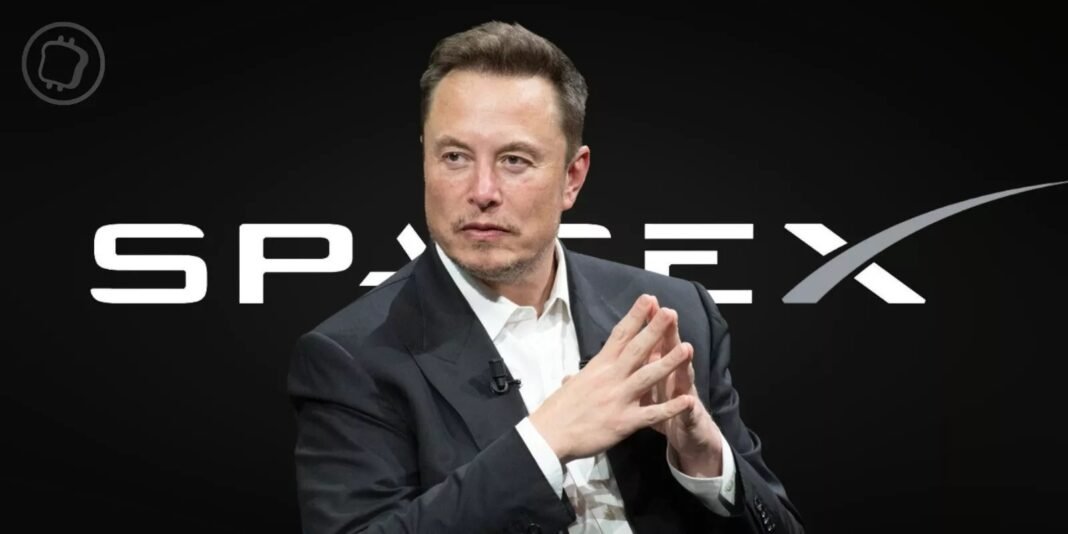


Elon Musk is backing a proposed Tesla-SpaceX merger that could create a $3.5 trillion corporate giant spanning artificial intelligence, robotics, Starlink and space exploration, according to The Hindu BusinessLine and Odaily. The news landed alongside a strong quarterly showing from SpaceX, which reported third-quarter profit above estimates — sending its shares up 4% in after-hours trading.
The sheer scale of the proposed combination is difficult to overstate. At $3.5 trillion, a merged Tesla-SpaceX would rank among the most valuable corporate entities ever assembled, uniting the world’s most prominent electric-vehicle maker with its dominant private space company under a single corporate roof. Musk’s backing gives the idea immediate credibility and ensures it will dominate business conversation in the days ahead.
A $3.5 Trillion Vision
Mergers of this magnitude are rare enough to be historic by definition, and the strategic logic described in the coverage is sweeping: a single entity spanning AI, robotics, satellite internet and spaceflight. Each of those domains is among the most capital-intensive and potentially lucrative in the modern economy, and combining them would create a conglomerate with few parallels in corporate history.
The $3.5 trillion figure itself invites scrutiny — valuations of that size rest on assumptions about future growth that markets will test relentlessly. But the number also reflects the extraordinary market value already ascribed to Musk’s enterprises and the premium investors place on his involvement. Whether or not the merger ultimately materializes at anything approaching that valuation, the proposal reframes how the market thinks about the scale of Musk’s ambitions.
For now, the key fact is the backing itself. Musk’s support transforms the merger from speculation into a live strategic possibility, and stakeholders across both companies — as well as their investors, partners and competitors — will now have to reckon with it as a serious prospect.
AI, Robotics, Starlink and Space — Under One Roof
The coverage describes a combined company spanning four frontier domains: artificial intelligence, robotics, Starlink’s satellite internet constellation, and space exploration. The through-line is vertical integration at civilizational scale — AI systems, the robots they might control, the orbital infrastructure connecting them, and the launch capacity to put it all in space.
Each pillar reinforces the others in Musk’s telling. Tesla’s work in AI and robotics feeds directly into SpaceX’s ambitions for automated space operations; Starlink provides the communications backbone; SpaceX provides the launch monopoly that makes the rest physically possible. Presented as a single enterprise, the combination starts to look less like a conglomerate and more like an integrated platform for the next era of technology.
That vision is precisely what makes the proposal so polarizing. Supporters see a once-in-a-generation industrial combination; skeptics see sprawling complexity and governance challenges that would test any management team. The debate over which view is correct will likely define coverage of the proposal for months.
Strong Quarter Adds Fuel
The merger news did not arrive in a vacuum. SpaceX reported third-quarter profit above analysts’ estimates, a result strong enough to send its shares up 4% in after-hours trading. The beat gave the merger story a fundamental tailwind: it is easier to contemplate a $3.5 trillion combination when the constituent businesses are demonstrably performing.
Above-estimate profits also strengthen Musk’s hand in any negotiation over terms, signaling operational momentum at the very moment strategic ambition is being unveiled. Markets reward that combination of execution and vision, and the 4% after-hours pop suggested investors were doing exactly that.
What happens next — formal proposals, board deliberations, regulatory scrutiny — will unfold over weeks and months. But with Musk’s backing secured and a strong quarter in the books, the Tesla-SpaceX merger has moved from the realm of imagination to the top of the business agenda.
Any deal of this scale would also face formidable practical hurdles, from board approvals and shareholder votes to regulatory review across multiple jurisdictions. Mega-mergers attract intense scrutiny precisely because of their market impact, and a $3.5 trillion combination would invite examination on a level few transactions in history have faced. Those obstacles do not diminish the ambition of the proposal — but they ensure the road from backing to closing would be long and closely watched.