


The US Centers for Disease Control and Prevention has confirmed a third measles-related death in 2026, as the country’s worst measles year in recent memory continues to exact a toll. The agency has recorded 4,410 confirmed measles cases as of Oct 15, with two deaths previously reported in September, according to Healthcare Central, which reported the latest fatality on Oct 21.
Measles was declared eliminated in the United States in 2000, meaning the virus was no longer continuously spreading within the country’s borders. Its resurgence reflects declining vaccination coverage in some communities, a trend that public health officials have warned about for years. The measles, mumps and rubella vaccine is highly effective, and the vast majority of cases in recent outbreaks have occurred in unvaccinated individuals.
A year of escalating case counts
The 4,410 confirmed cases recorded through mid-October represent an extraordinary burden of a disease that was once considered a solved problem in the United States. Each case represents not only an illness, which can include high fever, cough, rash and in severe instances pneumonia or brain inflammation, but also a demanding public health response. Contact tracing for measles is labour-intensive because the virus is among the most contagious known to medicine, capable of lingering in the air for up to two hours after an infected person leaves a room.
The three deaths this year are a stark reminder of what is at stake. Measles kills roughly one to three out of every 1,000 children who contract it in settings with good medical care, with higher fatality rates among the very young, the malnourished and the immunocompromised. Two deaths were reported in September, and the confirmation of a third in October shows the outbreak’s human cost is still mounting even as the year draws toward its close.
Public health agencies at the federal, state and local levels have spent the year responding to outbreaks across multiple states, deploying vaccination clinics, issuing exposure notices and working with schools and healthcare providers to identify under-vaccinated populations. The scale of the response has strained resources in some jurisdictions, particularly those dealing with large or prolonged outbreaks.
Why vaccination coverage has slipped
The resurgence of measles in the United States is closely tied to vaccination rates. National coverage with the MMR vaccine among kindergarteners has declined in recent years, and in some communities and schools, exemption rates have climbed to levels that undermine herd immunity. Measles requires approximately 95 per cent vaccination coverage in a community to prevent sustained transmission, a threshold that leaves little margin for clustering of unvaccinated individuals.
Public health experts attribute the decline to a combination of factors: the disruption of routine healthcare during the COVID-19 pandemic, which caused many children to miss scheduled vaccinations; the spread of misinformation about vaccine safety on social media; and in some areas, organised campaigns against school vaccination requirements. Paediatricians and public health officials have emphasised that the MMR vaccine has an extensive safety record built over decades of use in hundreds of millions of children.
Addressing the coverage gap requires sustained outreach to hesitant parents, convenient access to vaccination services and policies that keep school immunisation requirements strong. Catch-up campaigns in the wake of outbreaks can help, but public health leaders argue that the goal must be preventing outbreaks in the first place rather than responding to them.
What comes next for measles control
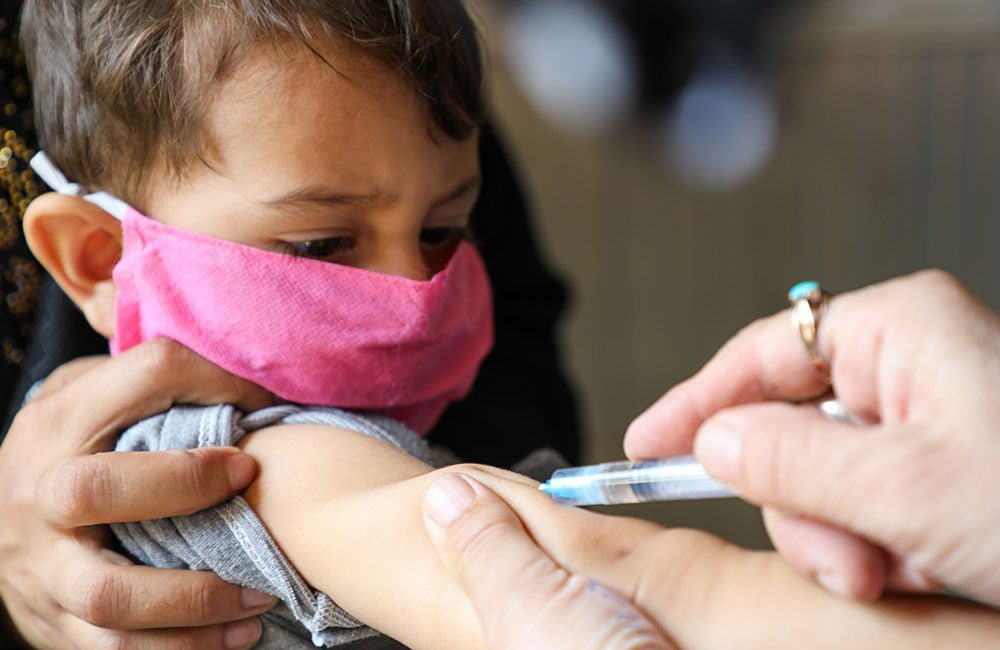
The confirmation of a third death is likely to intensify scrutiny of the country’s measles response and of the policies that allowed coverage to slip. Health officials have urged parents to ensure their children are up to date on MMR vaccination, noting that the vaccine is typically given as a two-dose series in early childhood and is also recommended for unvaccinated adults, particularly those travelling internationally.
The 2026 experience may also prompt a broader reckoning with how the United States maintains its elimination status. Elimination does not mean the virus is gone from the world; it means domestic transmission has been interrupted, a status that must be actively defended through high vaccination coverage and rapid outbreak response. Each year of elevated case counts tests that defence.
For now, the CDC’s surveillance continues, and health departments across the country remain on alert for new cases. The year’s toll, 4,410 confirmed infections and three lives lost to a vaccine-preventable disease, stands as a measure of what happens when hard-won public health gains are allowed to erode.