
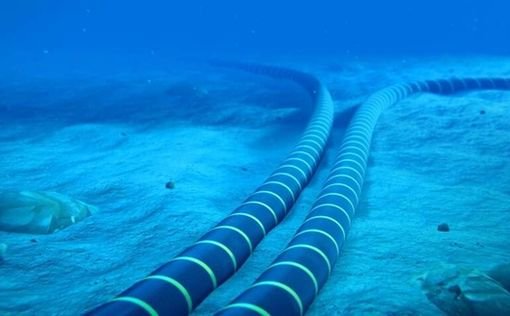


DUBAI: Tehran has drawn up detailed plans to target undersea communications cables in the Gulf if the United States and Israel attack Iran again, two senior Iranian security officials told Reuters on condition of anonymity. The Iran undersea cables plan was described to the news agency in interviews published on 23 and 24 October 2026.
One of the officials said: “If Iran is attacked, there will be no more red lines… from undersea cables to military bases, including covert ones.” The official warned Washington not to “play with fire,” and claimed that Iran has full access to the cables and could easily destroy them.
Iran undersea cables threat detailed to Reuters
The Iran undersea cables threat is tied to the possibility of a renewed war. The officials said the plans cover communications cables running through the Gulf, and that Tehran would aim to prevent repairs after any attack in order to prolong disruptions to internet connections, financial transactions, e-commerce and cloud computing.
Iran and Israel have traded strikes during the current Gulf conflict, and Iranian officials have repeatedly warned that any new attack on Iranian infrastructure would be met with retaliation against American and Israeli interests in the region.
Seven cables under the Strait of Hormuz
Yadollah Javani, the deputy head of political affairs for the Islamic Revolutionary Guard Corps, said on Wednesday, 21 October, that Iran could target seven major internet cables beneath the Strait of Hormuz if Iranian infrastructure came under attack. The Strait of Hormuz is the narrow waterway through which a large share of the Gulf’s energy exports pass.
The second Iranian official told Reuters that Gulf governments, which have invested heavily in US technology infrastructure, “should hold Washington, not Tehran, responsible for any damage to undersea cables.”
Iran undersea cables plan aims to block repairs
According to the officials, the Iran undersea cables plan goes beyond cutting the cables. Tehran would also try to make repairs difficult or impossible in wartime conditions, so that outages to internet services, banking networks and cloud platforms last longer.
Analysts said multiple cable cuts could slow services across the region. They said wartime repairs would be difficult, with higher insurance costs for cable ships and delays in permits complicating restoration work.
Limited global impact, analysts say
Undersea cables carry around 99 percent of global internet traffic, according to the International Telecommunication Union. But less than 1 percent of international bandwidth passes through the Strait of Hormuz, so the global impact of any attack there could be limited, said Alan Mauldin of the research firm TeleGeography.
The most serious effects would be felt within the Gulf itself, where the cables land and where regional internet traffic depends on them, Mauldin said.
What Tehran says it would do
The officials told Reuters that the Iran undersea cables plan is meant to raise the cost of any new attack on Iran. They said cutting the cables and stopping repairs would disrupt the financial and digital networks that Gulf states rely on, since so much of the region’s banking, trade and online services run through fibre-optic lines under the water.
They also said Tehran views the Iran undersea cables option as part of a wider set of targets, from military bases to what the official called covert facilities. The officials declined to say when the plans were drawn up or which units would carry them out.
For now, the cables keep carrying the region’s traffic as normal, and Gulf governments have said nothing in response to the report. Whether the Iran undersea cables threat changes how Washington plans its next moves in the Gulf remains to be seen.
No response from Washington or Gulf states
The US State Department and Iran’s Foreign Ministry did not respond to Reuters’ requests for comment on the report. There was no immediate comment from Gulf states on the claims about the Iran undersea cables plan.
The report lands at a tense moment for the region, with diplomatic efforts continuing to keep the current ceasefire between Iran and Israel in place.