
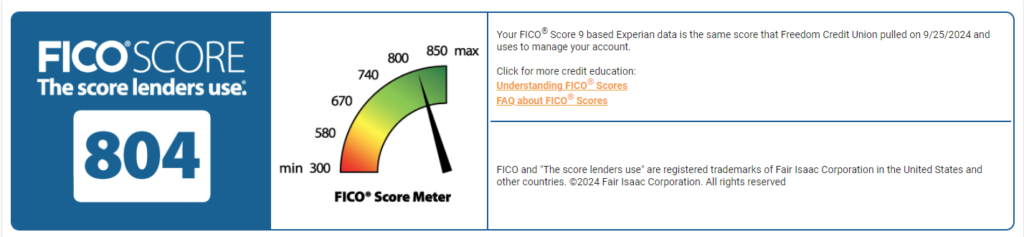


Fair Isaac shares surged 22.2% after the company launched a program that lets mortgage lenders give FICO credit scores directly to consumers, a move that cuts out the major credit bureaus and reshapes how Americans see their credit.
Under the new program, mortgage lenders can access FICO scores and pass them to borrowers without going through TransUnion, Equifax or Experian. The announcement landed hard on the bureaus. TransUnion fell 11.9%, Equifax dropped 10.2%, and Experian lost 3.6% in London trading.
The rally stood out on an otherwise cautious day for US stocks. FICO’s single-day gain ranked among the largest moves in American financial stocks all week, a sign that investors see the program as more than a product tweak.
How the direct FICO scores program works
Today, consumers mostly see their credit standing through the three big bureaus, which package and sell score data. The new Fair Isaac program lets mortgage lenders pull FICO scores and hand them to borrowers directly. For the bureaus, that is a direct hit to a core part of their business.
The move matters because FICO scores are the score most mortgage lenders use. The bureaus collect the underlying credit data, but the FICO score itself is Fair Isaac’s product. Letting lenders distribute FICO scores directly to consumers removes the middleman from the chain.
Mortgage lending is the natural starting point. Buying a home is the moment most people care most about their credit score, and lenders have a direct relationship with the borrower. If the program works there, it could extend to other kinds of lending over time.
Credit bureaus fall as FICO scores bypass them
The market reaction was swift. TransUnion’s 11.9% drop and Equifax’s 10.2% slide showed investors pricing in real damage to the bureaus’ franchise. Experian’s 3.6% decline in London was smaller, reflecting its more international mix, but the direction was the same.
The bureaus have long profited from their position between lenders and consumers. They gather data from banks and card companies, then sell scores and reports back to the industry. A program that lets Fair Isaac hand FICO scores straight to borrowers through lenders weakens that gatekeeper role.
None of the three bureaus has a substitute for the FICO brand. Lenders trust the score, and consumers recognize it. That brand strength is what makes the bypass threatening. The bureaus still own the data plumbing, but the score itself can now travel a shorter path.
What direct FICO scores mean for mortgage borrowers
For borrowers, the change could mean seeing their actual mortgage credit score earlier and more clearly in the lending process. That matters because the score a lender uses can differ from the score a consumer sees on a free monitoring site. Getting the lender’s version of FICO scores directly could remove surprises late in a home purchase.
Consumer advocates have long complained that credit scoring is a black box. A program that puts the score in the borrower’s hands through the lender does not fix every complaint, but it moves information toward the person it describes. Lenders, meanwhile, get a simpler way to share scores without routing through bureau products.
There are open questions. The program’s reach depends on how many lenders sign on, and on whether regulators see the direct distribution model as fair to the bureaus. For now, though, the market has made its judgment.
Why investors see a structural shift
Fair Isaac has spent years tightening its grip on the scoring business, and this program is its boldest move yet. By putting FICO scores directly in front of consumers through lenders, the company turns its brand into a distribution channel. That is a structural shift in how credit scores reach the public, not just a pricing change.
The 22.2% jump shows investors believe Fair Isaac can take share from the bureaus without a fight. The bureaus’ double-digit drops show they agree, at least for now. What happens next depends on lender adoption and on whether TransUnion, Equifax and Experian find a response.
One thing is clear from Friday’s trading: the old chain of lender to bureau to consumer just got shorter, and Fair Isaac is the company holding the scissors.