
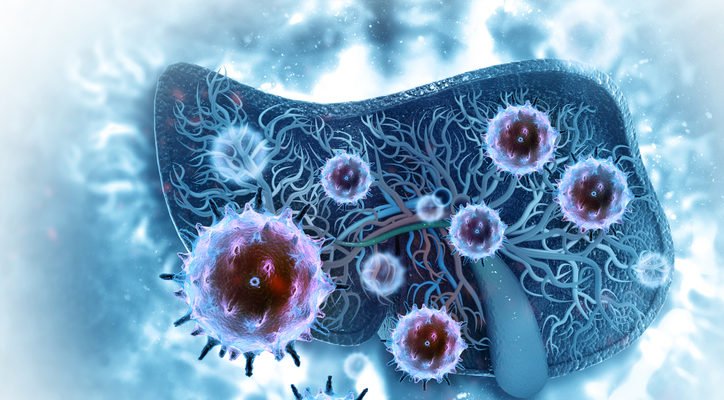


Hibsago won US Food and Drug Administration approval on Oct 20, 2026, for the treatment of chronic hepatitis B, becoming the first antisense oligonucleotide the agency has cleared for the disease. The approval gives partner GSK a new option for a patient population with few paths to a cure.
Hibsago, known generically as bepirovirsen, was developed by Ionis Pharmaceuticals and is being commercialized by GSK. The FDA granted the approval under priority review, and the drug carries a Breakthrough Therapy Designation, a status reserved for medicines that show substantial improvement over existing treatments.
The decision rested on the Phase 3 B-Well trial. After six months of treatment, 19 percent of patients on Hibsago reached a functional cure, compared with under 1 percent on standard care. A functional cure in hepatitis B means the virus’s surface antigen can no longer be detected in the blood, even though traces of viral DNA may remain in liver cells.
The therapy is used together with nucleos(t)ide analogues, the current standard drugs that suppress the virus, and is approved for adults without cirrhosis. The US market for chronic hepatitis B is estimated at about 1.7 million patients, most of whom manage the infection for life with daily medication.
How Hibsago works
Hibsago belongs to a class of drugs called antisense oligonucleotides. These are short strands of synthetic genetic material designed to bind to viral RNA and block the production of the proteins the hepatitis B virus needs to replicate.
The drug targets the virus’s surface antigen, the protein that allows hepatitis B to persist in the body and that current drugs struggle to eliminate. By cutting the supply of that protein, the drug lets the patient’s immune system regain ground against the infection.
Treatment with the drug is not a solo effort. The approval covers use in combination with nucleos(t)ide analogues, which keep viral replication suppressed while the antisense drug attacks the antigen. The combination approach was what the B-Well trial tested, and the 19 percent functional cure rate came from that pairing.
Antisense drugs have been used for other conditions, but this is the first time the FDA has approved one for chronic hepatitis B. The class has struggled in liver disease because delivering the molecules to the right cells is difficult, a problem the dosing regimen for Hibsago was designed to solve.
What the B-Well trial showed
The B-Well study was the Phase 3 trial that underpinned the approval. Patients received the drug alongside their nucleos(t)ide analogue for six months, and the headline result was the 19 percent functional cure rate, measured by the loss of hepatitis B surface antigen in the blood.
That compares with under 1 percent of patients reaching the same mark on standard care alone. For a disease where a true cure has been out of reach, the gap between 19 percent and under 1 percent is the number doctors will focus on.
Functional cure does not mean the virus is gone from every liver cell. It means the surface antigen has cleared and the immune system has the infection under control without daily drugs. For patients, that can mean stopping the lifelong pill regimen that chronic hepatitis B usually demands.
The trial focused on adults without cirrhosis, so the approval is limited to that population. Patients with advanced liver scarring were not part of the trial data, and doctors will need separate evidence before the drug can move into that group.
Safety and business terms for Hibsago
The FDA label for Hibsago carries safety considerations that doctors will need to watch. They include the risk of hepatic flares, sudden spikes in liver inflammation when the immune system reacts to dying virus; thrombocytopenia, a drop in blood platelets; and decline in renal function.
None of those risks is unusual for a drug that works by provoking an immune response against an infected organ, but they mean patients on Hibsago will need regular blood work to monitor liver enzymes, platelet counts and kidney markers during treatment.
For Ionis, the approval triggers additional regulatory and sales milestones from GSK, plus tiered royalties of 10 to 12 percent on net sales. The milestone payments reward Ionis for a drug that spent years in development, and the royalty rate gives the company a long-term stake in how the drug performs in a US market of about 1.7 million patients.
GSK has not disclosed pricing for Hibsago. The commercial launch will now depend on how quickly insurers add the drug to formularies and how physicians weigh the 19 percent cure rate against the monitoring burden and the safety profile.