
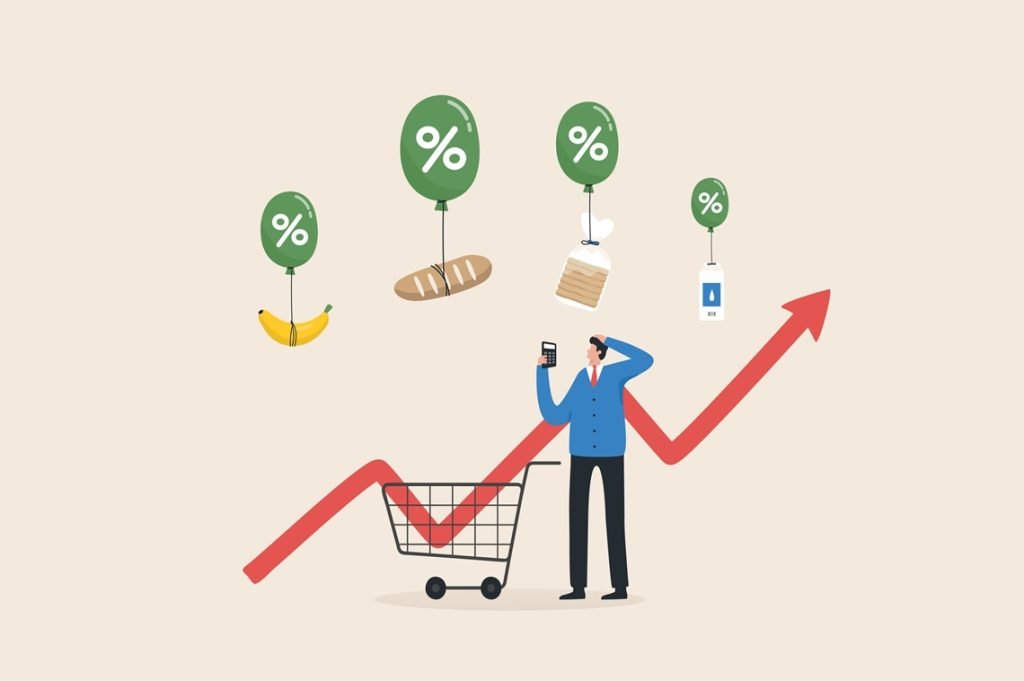


US consumer sentiment edged down to near a record low in October, as rising prices linked to the Middle East conflict soured households’ views of the economy, according to University of Michigan data reported Friday.
The reading landed days before the Federal Reserve’s Oct 27-28 policy meeting, and it adds to the pressure on central bankers weighing whether to cut interest rates. When households feel worse about the economy, they spend less, and spending is the engine of US growth.
The data arrived at the end of a turbulent week for Wall Street, where a shaky stretch for artificial intelligence stocks had already rattled investors. Consumer sentiment is now flashing the same warning from the household side.
Why consumer sentiment is falling
The immediate cause is energy. Brent crude hit its highest level since late April after Houthi attacks in Saudi Arabia, stoking fears that fuel costs will keep climbing. Gasoline prices follow crude with a lag, so households are bracing for more pain at the pump.
The Middle East conflict has turned into a direct tax on American drivers. Every dollar added to the price of a fill-up is a dollar not spent at stores and restaurants. The University of Michigan survey captures that squeeze in real time, and October’s reading shows it biting.
Consumer spending at US retailers in September had already fallen short of forecasts. The sentiment drop suggests October could be weaker still. Households do not need an economist to tell them their money buys less. They feel it every week.
The University of Michigan survey has tracked consumer sentiment for decades, and readings near record lows have a history of preceding pullbacks in spending. Households were already cautious before October. September retail sales missed forecasts, and the latest consumer sentiment drop suggests that caution is spreading from the checkout line to the outlook itself.
What weak consumer sentiment means for the Fed
The Federal Reserve meets Oct 27-28 with the economy sending mixed signals. Inflation risks are rising with energy prices, which argues against cutting rates. But consumer sentiment near a record low argues the economy is cooling, which is the usual case for a cut.
That tension is the central bank’s dilemma. Cut rates and risk fueling more inflation just as oil prices climb. Hold rates and risk squeezing households that are already pulling back. The sentiment data does not settle the debate, but it sharpens it.
Fed officials watch the Michigan survey closely because it has a long record of tracking turning points in spending. A reading near a record low is hard to ignore, even when the labor market still looks solid on paper. Confidence leads spending, and spending leads growth.
For now, the consumer sentiment data gives the rate-cut camp fresh ammunition, while the inflation hawks can point to rising oil prices as a reason to wait. The Oct 27-28 meeting will show which argument wins the room.
The report shows how directly energy prices feed into household confidence. It is not an abstract link. Oil goes up, gas goes up, and sentiment goes down within weeks.
How long consumer sentiment can stay this low
Sentiment readings this weak have historically not lasted long without either a rebound or a recession. Households adjust, prices stabilize, or the economy tips over. Which path follows depends on what happens with oil and with the Fed.
If Middle East tensions ease and crude falls back, gasoline prices would follow, and consumer sentiment could recover quickly. The survey moves fast in both directions. But if the conflict drags on and energy stays expensive, the weakness could harden into something worse.
Retailers are watching the same numbers. A gloomy consumer heading into the holiday season is a problem for every chain that depends on fourth-quarter sales. September’s spending miss was an early warning. October’s sentiment reading is a louder one.
The Fed’s decision lands Oct 28. Whatever it chooses, the message from households is plain: prices are too high, confidence is nearly gone, and something has to give.