
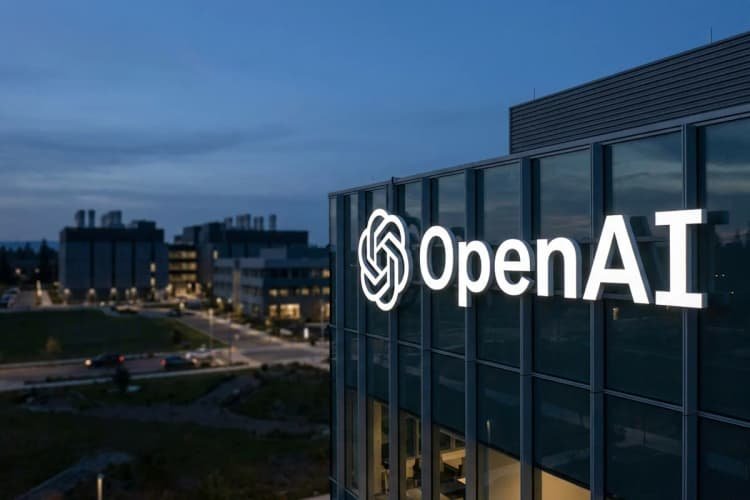


OpenAI has cut the target for its latest funding round by $10 billion, the Financial Times reported on Friday, 30 October. The ChatGPT maker is now seeking about $20 billion, after earlier planning to raise $30 billion. Its desired valuation has dropped to $1.25 trillion from $1.4 trillion, according to the report, which cited people with knowledge of the matter.
The cut came as United States technology stocks fell amid growing worry about heavy spending on artificial intelligence. Reuters reported the Financial Times account on 30 October. OpenAI did not immediately respond to a request for comment outside regular business hours, Reuters said.
OpenAI set a Friday deadline for investors to commit to the round. The first close is expected to raise less than $20 billion, the Financial Times said, after some investors reduced their allocations. Wealthy individuals will have the option to invest in a later retail offering at the $1.25 trillion valuation, the newspaper added.
OpenAI sets a Friday deadline for investors
A consortium of investors from the United Arab Emirates is expected to be the largest participant in the round, according to the report. The consortium includes MGX, a state backed technology fund. As part of the deal, OpenAI would gain the option to lease newly developed computing capacity in the region, the newspaper said.
Venture capital firms are also expected to take part. The Financial Times named Founders Fund, Coatue, Sequoia Capital and Andreessen Horowitz among the expected participants. MGX, Coatue, Sequoia Capital and Andreessen Horowitz did not immediately respond to Reuters requests for comment outside regular business hours.
OpenAI faces a cooler market for AI spending
Investors have spent much of the past two years pouring money into artificial intelligence companies, data centers and chip makers. That rush lifted valuations across the sector and raised questions about how quickly the spending will turn into revenue. The selloff in technology stocks this week gave those questions fresh force.
Reuters described the market move as a selloff driven by worry about artificial intelligence spending. When share prices fall, private investors often rethink the price they are willing to pay for a stake in a private company. A reduced allocation can follow, even when the investor still wants to take part in the round.
The reported change in valuation is smaller in percentage terms than the change in the funding target. A move from $1.4 trillion to $1.25 trillion is a fall of about 11 percent. A move from $30 billion to about $20 billion is a fall of about one third. The gap suggests investors trimmed the amount they were willing to commit more sharply than they trimmed their view of the value of the business.
For OpenAI, the practical effect is straightforward. Less new money means less room to fund computing capacity, research and hiring from this round alone. It does not, on the reported facts, mean the round has failed. A raise of about $20 billion would still be very large by the standards of private technology funding.
OpenAI and Anthropic compete for the same investors
Part of the urgency came from a rival. Reuters has reported that OpenAI has been keen to close the round partly to get ahead of Anthropic and its expected public market debut. Anthropic is expected to list in mid November, Reuters reported earlier in October. The two companies are tapping a similar investor base, according to Reuters.
That contest shapes the calendar. OpenAI, closing first, can lock in commitments before investors have to choose between two large artificial intelligence bets. A company that waits may find that some of the same funds have already used their available capital. The Friday deadline fits that pattern, even though the first close is now expected to come in below the revised target.
Anthropic has not been named in the Financial Times report as a party to this round. Its role in the story is as a competing destination for capital, not as a participant. The report also did not say that any investor had withdrawn in full. It said some investors reduced their allocations, a smaller step than pulling out.
What happens next will turn on the first close. If the amount raised lands close to $20 billion, the company will have most of the money it now seeks, at a valuation that still places it among the most valuable private companies in the world. If the first close lands well below that figure, the retail offering and later closes will carry more weight. Either way, the revised terms show a market that is still willing to fund artificial intelligence, at a price that has moved down from the level set earlier in the year.